Why the UK is banning goods from illegal Israeli settlements in West Bank
Source Entity
Moinuddin Ahmad
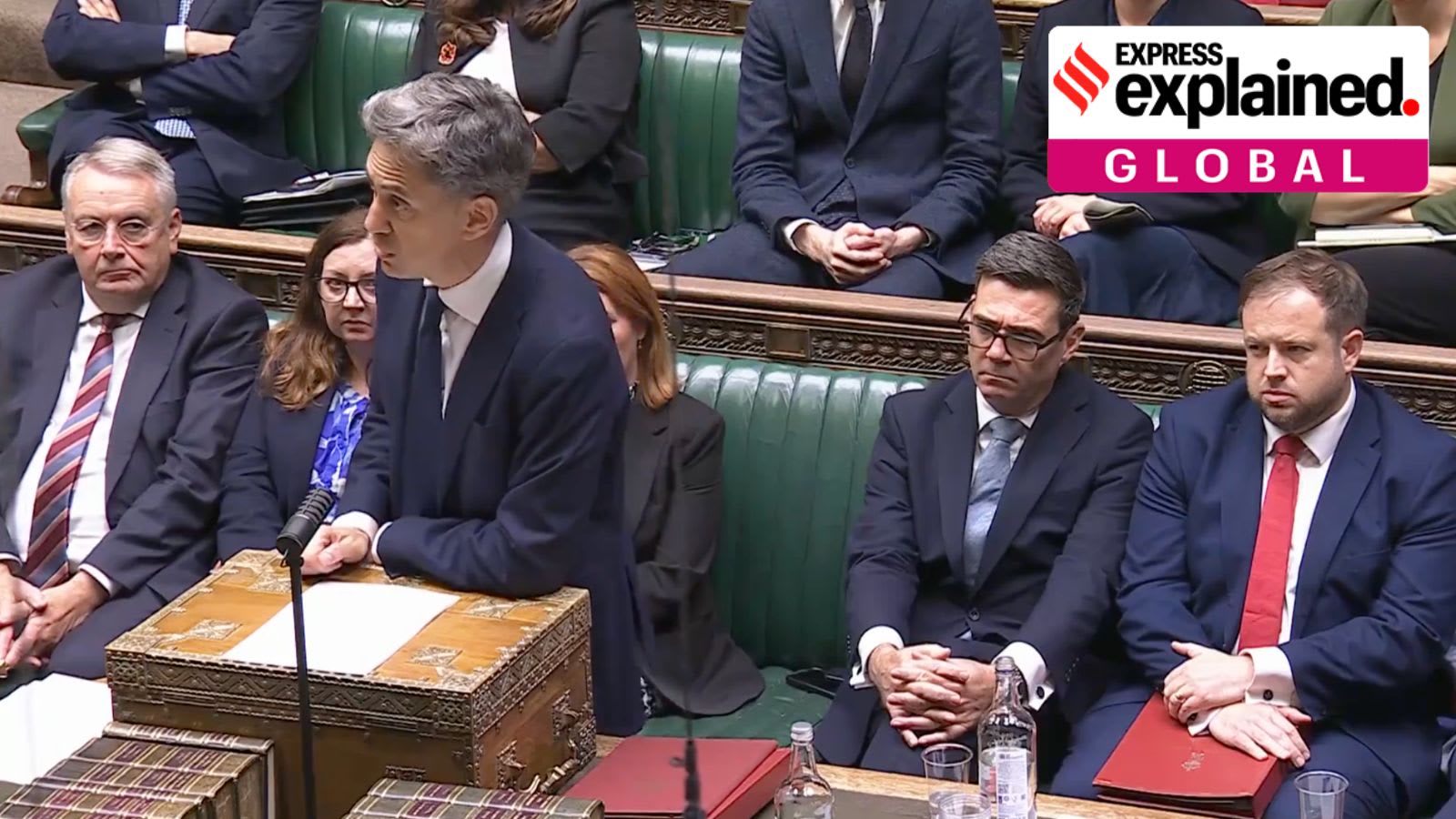
The UK, alongside France and Canada, has imposed trade sanctions on illegal West Bank settlements, citing concerns over ethnic cleansing and settler violence. Israel responded by closing the UK consulate in East Jerusalem and withdrawing from aid coordination bodies. This move marks a significant shift in international policy regarding the two-state solution.
A Diplomatic Watershed: UK Sanctions on West Bank Settlements
In a historic shift in foreign policy, the United Kingdom, in coordination with France and Canada, has announced comprehensive sanctions targeting goods and services originating from Israeli settlements in the occupied West Bank. Foreign Secretary Ed Miliband, addressing the House of Commons, explicitly labeled the actions of certain settlers as "ethnic cleansing" and "settler terrorism." This move signifies a major departure from previous diplomatic postures, as the UK joins international partners in an attempt to protect the viability of a two-state solution.
Defining the Illegality and the Response
The core of the British policy change rests on the legal assertion that Israeli settlements in the West Bank are illegal under international law. By banning imports of goods from these areas and restricting British firms from providing services—such as financing, real estate, and construction—the UK is effectively tightening the economic pressure on settlement expansion. The government has also moved to restrict arms exports that contribute to the occupation, signaling a move from symbolic condemnation to material disengagement.
Israel’s Retaliatory Measures
Israel’s reaction to these sanctions has been swift and severe, underscoring the gravity of the diplomatic rift. The closure of the UK consulate in East Jerusalem, a critical hub for managing relations with the Palestinian Authority and the West Bank, represents a significant breakdown in communication channels. Furthermore, the withdrawal of Israeli representatives from the International Gaza Support Centre illustrates a broader effort by the Israeli government to decouple from international bodies that it views as hostile to its security and settlement policies.
Broader Geopolitical Implications
The fact that twelve nations have coordinated these actions suggests a growing international consensus that the status quo in the West Bank is untenable. By framing the situation as "ethnic cleansing"—a term defined by the UN as a purposeful policy design—the British government has raised the stakes of the conflict. This rhetoric directly challenges the Israeli government’s oversight, with Miliband accusing the current administration of turning a blind eye to, or actively supporting, the forced displacement of Palestinians.
Historical Context and Future Trends
Historically, the UK has maintained a delicate balance in its relations with Israel and the Palestinian territories. This current rupture, described as the lowest ebb in decades, suggests that Western powers are moving away from traditional mediation towards punitive measures. The speed and ferocity of Israel's response indicate that this policy shift may lead to a prolonged period of diplomatic isolation for the UK in regional matters. Looking forward, the success of these measures depends on whether other nations join the coalition and whether the economic impact forces a change in the settlement expansion trajectory.
Conclusion
The imposition of these sanctions marks a critical turning point in the international approach to the Israel-Palestine conflict. While intended to safeguard the two-state solution, the immediate consequence has been a dramatic deterioration in bilateral relations. As the UK and its allies navigate the fallout from these measures, the focus will remain on whether these economic pressures can effectively curb settlement activity or if they will lead to a permanent restructuring of diplomatic engagement in the region.
Multiple Citing Sources