Philippines wins first Eurovision Song Contest Asia
Source Entity
BBC News
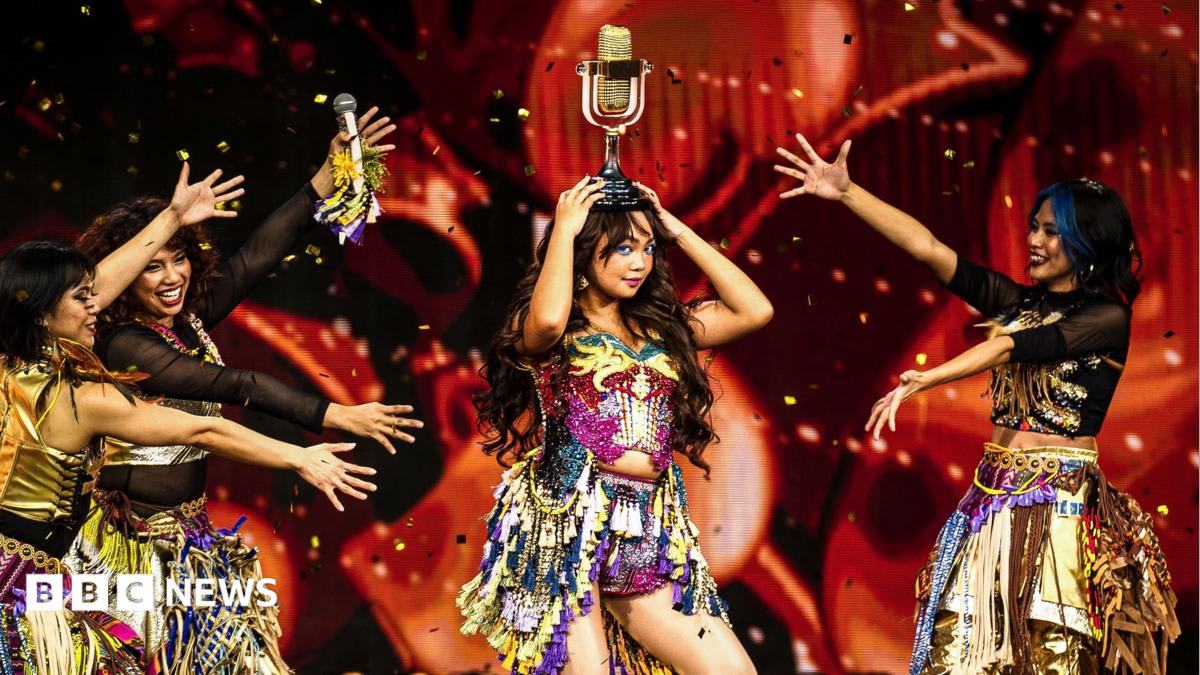
The Philippines has made history by winning the inaugural Eurovision Song Contest Asia in Bangkok. Nineteen-year-old artist Carmelle secured the title with her anthem 'Sobra-Sobra', beating out 10 other nations.
A Historic Victory for the Philippines in Bangkok
The inaugural Eurovision Song Contest Asia concluded in Bangkok with a historic victory for the Philippines. Nineteen-year-old rising star Carmelle emerged as the inaugural champion, captivating both the jury and the public with her powerful performance of the women's empowerment anthem, Sobra-Sobra. The event, held at the One Bangkok Arena, marked a significant milestone for the franchise, bringing the high-energy, multi-national competition format to the Asian continent for the first time.
Analyzing the Performance and Scoring
Carmelle’s victory was decisive, totaling 211 points. The scoring breakdown revealed a strong base of support, with 93 points awarded by the professional jury and a commanding 118 points coming from the public vote. This dual-source validation highlights the broad appeal of her song, which features a distinct rap section that resonated with the live audience. Her performance successfully held off stiff competition from Thailand’s MANG x DAOU, who finished in second place with 170 points, proving that the Philippines' entry captured the cultural zeitgeist of the event.
The Growth of the Eurovision Brand
Expanding the Eurovision format into Asia is a massive undertaking that reflects the global appetite for localized, large-scale musical competitions. By hosting 11 countries in Bangkok, the event organizers aimed to replicate the success of the European original, which has served as a cultural bridge for decades. The atmosphere at the One Bangkok Arena was described as joyous, indicating that the format is well-positioned to find a dedicated fan base in Southeast Asia.
Challenges and Sustainability
Despite the clear success of the debut event, the long-term future of Eurovision Asia remains a subject of industry scrutiny. As reported by the BBC's South East Asia correspondent Jonathan Head, the viability of the competition hinges on sustained commitment from regional broadcasters and corporate sponsors. Unlike the European version, which has deep-rooted institutional support, the Asian iteration must prove it can maintain viewership and financial stability to become a recurring annual fixture.
Cultural Implications and Future Trends
Carmelle’s win with an empowerment-themed anthem suggests a trend toward socially conscious pop music in the region. The song Sobra-Sobra served not just as a musical performance, but as a vehicle for a message that connected with a diverse audience. Looking forward, the success of this contest may encourage more nations to participate in future years, provided the logistical and financial framework is solidified. The Philippines now sets a high bar for excellence, establishing a standard for production quality and audience engagement that future host cities will need to match.