Pitroda dismisses Rahul's claim PM tapping his phone
Source Entity
TNN
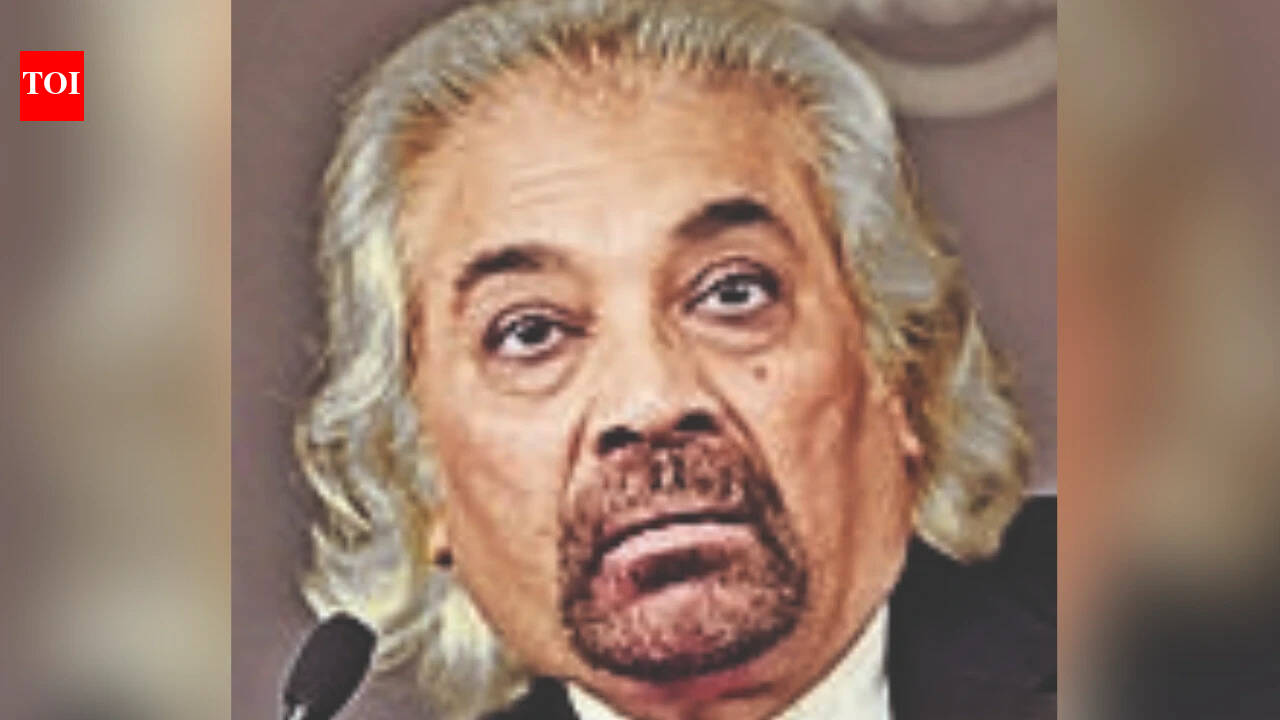
Sam Pitroda has publicly dismissed allegations that Prime Minister Narendra Modi is tapping Rahul Gandhi's phone. This statement highlights a divergence in political narratives regarding surveillance and privacy concerns in India.
Analysis of Political Surveillance Allegations
Recent reports indicate that Sam Pitroda, a veteran political figure and advisor, has publicly dismissed claims suggesting that Prime Minister Narendra Modi is personally involved in tapping the phone of opposition leader Rahul Gandhi. This assertion serves as a significant intervention in the ongoing discourse surrounding digital privacy and state surveillance in the Indian political landscape.
Contextualizing the Allegations
The discourse regarding phone tapping and digital surveillance has long been a contentious issue in Indian politics. Accusations of unauthorized monitoring often surface during heated election cycles or periods of intense opposition-government friction. By explicitly distancing the Prime Minister from these specific claims, Pitroda’s statement attempts to temper the intensity of the narrative, suggesting that such accusations may lack the necessary evidentiary foundation or are being used primarily for political posturing.
The Role of Technology in Governance
Beyond the immediate political fallout, this incident underscores the broader, systemic anxieties regarding the intersection of technology and state power. In an era where digital communication is ubiquitous, the perception of privacy breaches can erode public trust in democratic institutions. The debate is not merely about the security of a single device but about the regulatory frameworks governing electronic surveillance and the transparency of state agencies.
Historical Precedents and Political Strategy
Historically, concerns over surveillance have been a staple of Indian political rhetoric, often echoing global debates about the balance between national security and individual privacy. When political figures like Pitroda address these issues, it is often a strategic move to refocus the national debate on policy rather than personality-driven controversies. This dismissal highlights the complexity of internal party dynamics and the careful navigation required when addressing sensitive security allegations.
Implications for Future Discourse
Looking ahead, it is likely that the conversation around cybersecurity and political ethics will continue to intensify as India moves further into a digital-first economy. Future political trends suggest that both the ruling party and the opposition will need to address concerns regarding the misuse of technology, as voter awareness regarding digital rights grows. Whether this dismissal effectively closes the chapter on these specific claims remains to be seen, but it marks a notable moment in the current political climate.
Conclusion
In summary, while the allegations of phone tapping remain a potent tool for political friction, Sam Pitroda’s dismissal marks a critical moment of moderation. By refuting these claims, the narrative shifts from immediate conspiratorial accusations toward a more complex dialogue about the necessity of institutional integrity and the future of digital privacy protections in India.