"Problem Caused By You": Piyush Goyal Challenges Europe's Climate Stance
Source Entity
NDTV News Search Records Found 1000
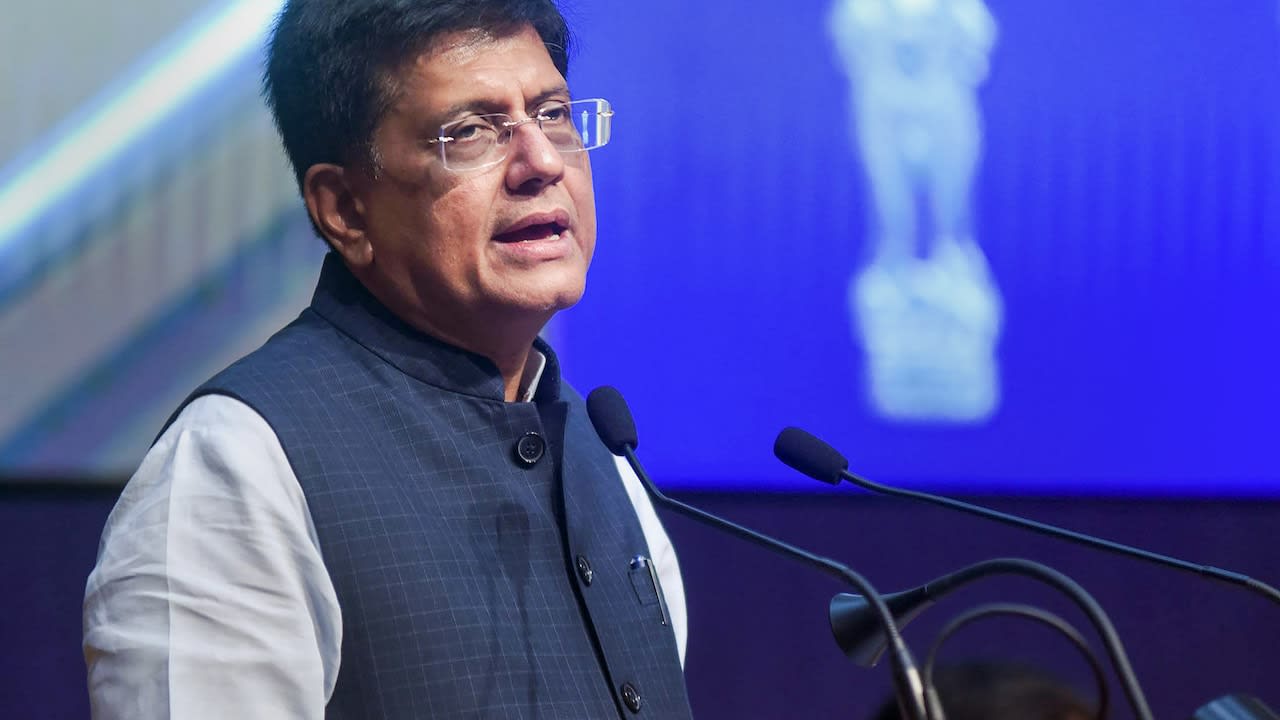
Union Minister Piyush Goyal has criticized the EU's Carbon Border Adjustment Mechanism (CBAM) as a self-defeating policy that risks economic disaster. He argues that protectionist measures like high import duties on steel will inflate costs of living and stifle European growth.
The Clash Over Climate Protectionism: Piyush Goyal’s Critique of EU Policy
In a pointed critique delivered during the Berlin Global Dialogue on October 23, 2026, Indian Commerce and Industry Minister Piyush Goyal challenged the European Union’s approach to climate regulation. His remarks focused specifically on the implementation of the Carbon Border Adjustment Mechanism (CBAM) and the imposition of high import duties on steel, framing these policies not as environmental victories, but as systemic economic threats.
Analyzing the Economic Warning
Minister Goyal’s central argument is that the European Union is "shooting itself in the foot" by layering restrictive regulations onto its industrial base. By imposing a 50% import duty on steel and enforcing stringent carbon-related border adjustments, the EU is effectively raising the cost of essential raw materials. Goyal contends that these artificial barriers will inevitably lead to a surge in the cost of living for European citizens, as the price of downstream manufacturing and construction projects becomes prohibitively expensive.
Historical Context and Development Paradox
One of the most striking aspects of the Minister's address was his historical assessment of Europe’s own path to prosperity. Goyal noted that the EU’s current strategy of closing borders and tightening regulations stands in stark contrast to the policies that originally allowed these nations to reach developed status. Historically, the liberalization of trade and the free movement of goods were primary drivers for the EU’s industrial growth; by reversing this trend, the bloc is perceived as creating an "artificial situation" that contradicts its own developmental blueprint.
The CBAM Controversy
At the heart of the friction is the Carbon Border Adjustment Mechanism (CBAM), a policy designed to prevent 'carbon leakage' by taxing imports based on their carbon footprint. While the EU views this as a necessary tool for global climate leadership, critics like Goyal argue it functions more as a protectionist wall. By creating these boundaries, the EU risks isolating its market and forcing domestic industries to contend with higher input costs, which may ultimately render European steel manufacturers less competitive on the global stage.
Future Trends and Global Implications
As Goyal continues his official visit to Germany and the Netherlands through October 27, 2026, his rhetoric highlights a growing divide between emerging economies and the Global North regarding the 'green transition.' The tension suggests that future trade negotiations will increasingly be dominated by climate-related non-tariff barriers. If the EU persists with these regulations, it may trigger reciprocal trade measures from other nations, potentially leading to a fragmented global trade environment where environmental policy is utilized as a tool for economic leverage.
Conclusion
Minister Piyush Goyal’s assessment serves as a stern warning regarding the fragility of modern global supply chains. By prioritizing restrictive climate mechanisms over competitive market access, the EU is navigating a precarious economic path. Whether these policies will foster a sustainable future or, as Goyal warns, lead to an economic disaster remains the defining question for EU-India trade relations in the coming years.
Verification Required?