Piyush Goyal on China Trade: India Backs Open Markets, Fair Pricing | HT India
Source Entity
Latest News: Todays Latest News Headlines from India & World | Hindustan Times | Hindustan Times
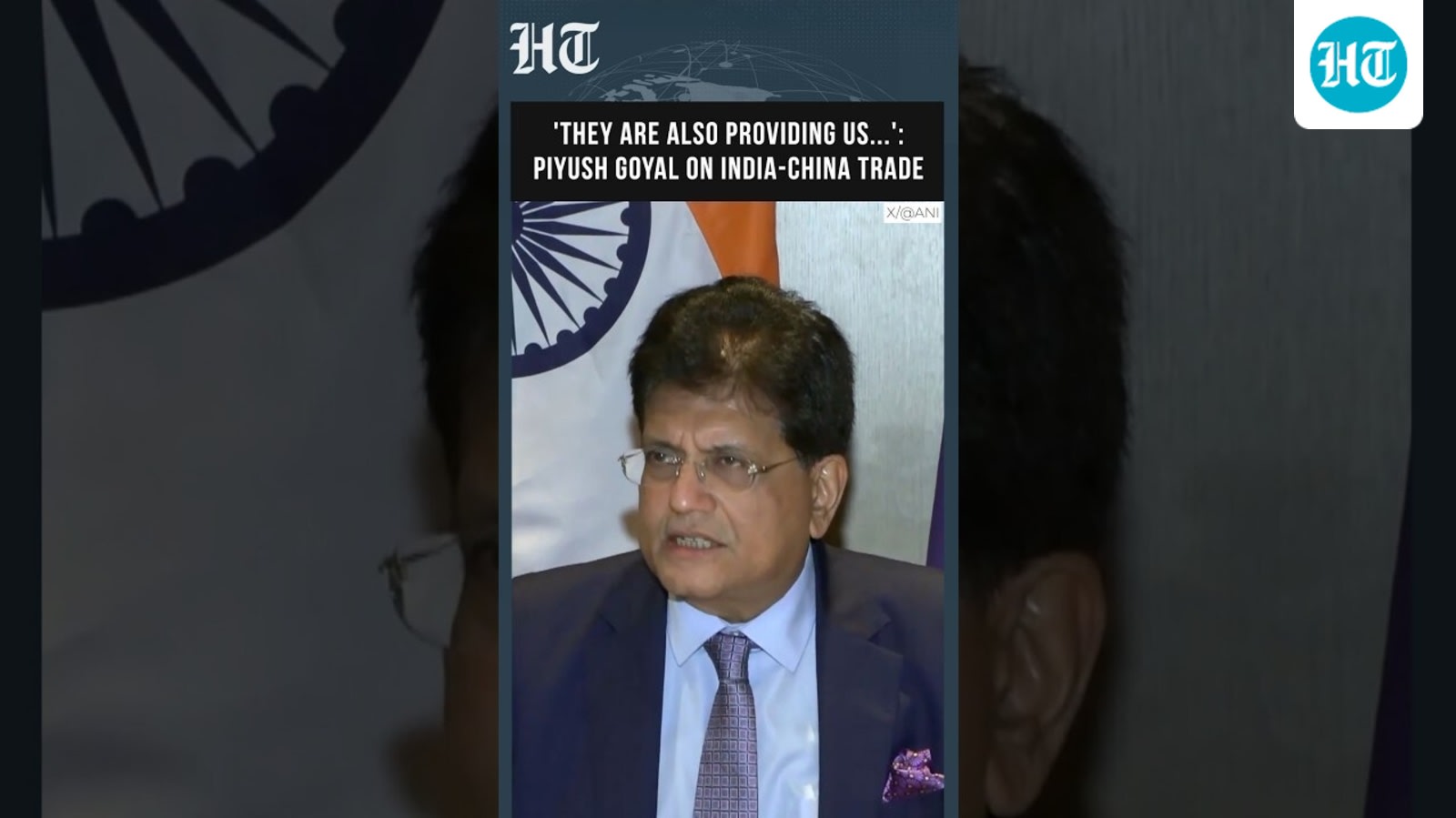
Union Minister Piyush Goyal reaffirmed India's commitment to open markets and fair trade while acknowledging China's role as a supplier of critical industrial raw materials. He emphasized that India will utilize established judicial processes to manage concerns regarding unfair pricing.
India's Strategic Stance on Trade Relations with China
Union Commerce and Industry Minister Piyush Goyal’s recent statements in The Hague, Netherlands, mark a significant moment in the nuance of India’s international economic policy. By addressing the complexities of the India-China trade relationship on a global stage, Minister Goyal has reinforced that India’s economic trajectory is built upon the pillars of open markets, transparency, and a commitment to fair competition. This messaging is vital as India continues to position itself as a central hub in the global supply chain, balancing its domestic industrial needs with its international obligations.
The Role of Intermediate Goods
At the heart of the discourse is the acknowledgment that China remains a critical supplier of intermediate goods and raw materials for the Indian manufacturing sector. This dependency is a byproduct of decades of industrial integration within the Asian market. Minister Goyal’s recognition of this reality demonstrates a pragmatic approach to governance, where the necessity of maintaining production continuity in sectors like pharmaceuticals, electronics, and automotive parts is weighed against broader geopolitical tensions.
Emphasizing Judicial Processes Over Protectionism
One of the most critical aspects of the Minister's address is the reliance on established judicial and regulatory processes to address grievances. By advocating for legal frameworks to handle issues of 'unfair pricing'—commonly referred to as anti-dumping concerns—India is signaling that it prefers institutionalized, rule-based conflict resolution over knee-jerk protectionist measures. This approach provides a predictable environment for global investors and trading partners who are observing India’s economic maturation.
Diversification and Global Integration
Minister Goyal’s invitation to suppliers from across the world underscores a strategic pivot toward diversifying supply chains. While China remains an essential partner, India’s 'growing needs' are increasingly being met through a multilateral approach. By welcoming global competition, the government aims to mitigate the risks associated with over-reliance on a single source, thereby strengthening India’s economic resilience and negotiating power in international trade forums.
Future Trends and Economic Outlook
Looking forward, India is likely to continue balancing its role as a global manufacturing player with a firm stance on fair trade practices. We can expect the government to double down on initiatives like 'Make in India' while simultaneously strengthening the institutional mechanisms that protect domestic industries from predatory pricing. The emphasis on 'open markets' suggests that India will continue to pursue Free Trade Agreements (FTAs) that prioritize reciprocal access and transparent regulatory standards.
Conclusion
The narrative presented by Minister Goyal is one of cautious integration. By combining an admission of current supply chain realities with a firm insistence on fair play, India is effectively navigating a complex global landscape. The future of India’s trade policy appears to be one that favors strategic autonomy, backed by robust legal frameworks that ensure national economic interests are protected without closing doors to the global marketplace.
Verification Required?