Opinion: Opinion | China's PLA Is Entering A Dangerous New Phase, And India Can't Afford To Look Away
Source Entity
NDTV News Search Records Found 1000
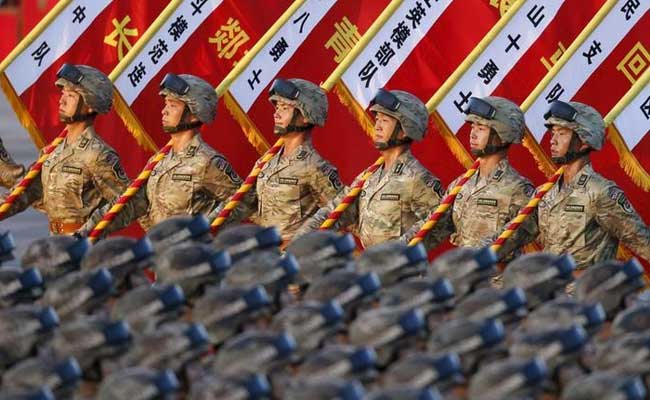
As the People's Liberation Army (PLA) approaches its centenary goals, significant unresolved strategic challenges persist. India must closely monitor these developments given the implications for regional security and border stability.
The PLA Centenary and Regional Security
As the People's Liberation Army (PLA) enters the final year of its ambitious 100-year modernization roadmap, the global geopolitical community is bracing for what many analysts describe as a 'dangerous new phase.' The 2027 milestone serves as a critical deadline for the Chinese military to achieve high-level modernization goals, a target that has spurred significant investment in technology, doctrine, and force projection capabilities. For India, this transition is not merely a regional bureaucratic shift but a profound security concern that necessitates constant vigilance and strategic recalibration.
Unresolved Strategic Hurdles
Despite the rapid pace of expansion and technological integration, three significant, unresolved problems continue to loom over the PLA as the centenary approaches. These challenges act as potential friction points that could dictate the nature of China’s military posture in the coming years. Whether these issues relate to command-and-control structures, logistical integration, or the psychological readiness of the force, their persistence suggests that China’s military machine may face internal growing pains even as it projects external strength.
The India-China Security Calculus
For New Delhi, the PLA's progression is inherently linked to the stability of the Line of Actual Control (LAC). As the PLA modernizes, its ability to sustain operations in high-altitude, contested environments increases, directly impacting India’s border defense strategy. The 'dangerous new phase' mentioned in current security discourse implies a shift from defensive posturing to a more assertive, offensive-capable doctrine that complicates existing diplomatic frameworks between the two Asian giants.
Geopolitical Implications of 2027
Looking beyond the immediate border disputes, the 2027 goal post serves as a benchmark for China’s broader aspirations in the Indo-Pacific. The transition toward a world-class military force is intended to provide the necessary leverage for Beijing to secure its regional interests. India’s inability to 'look away' is underscored by the reality that an empowered PLA changes the regional balance of power, forcing India to invest heavily in its own indigenous defense manufacturing and strategic partnerships.
Predicting Future Trends
As the countdown to the centenary continues, we can expect to see an increase in gray-zone activities and technological testing along contested borders. The coming year will likely be characterized by heightened military signaling. India must prepare for a future where the PLA is not only technologically superior in terms of equipment but also more integrated in its pursuit of regional hegemony, requiring a robust, multifaceted response that combines diplomacy, intelligence, and military readiness.
Conclusion
The final stretch toward the PLA’s centenary is a period of high volatility. While the internal problems facing the Chinese military remain, their external impact on India’s national security is undeniable. By maintaining a focus on these unresolved strategic issues, India can better anticipate shifts in the PLA's behavior and formulate a proactive response to ensure regional stability in an era of increasing military competition.
Verification Required?