Those who put India in Fragile 5 doubting GDP: PM Modi
Source Entity
KUMAR RAKESH
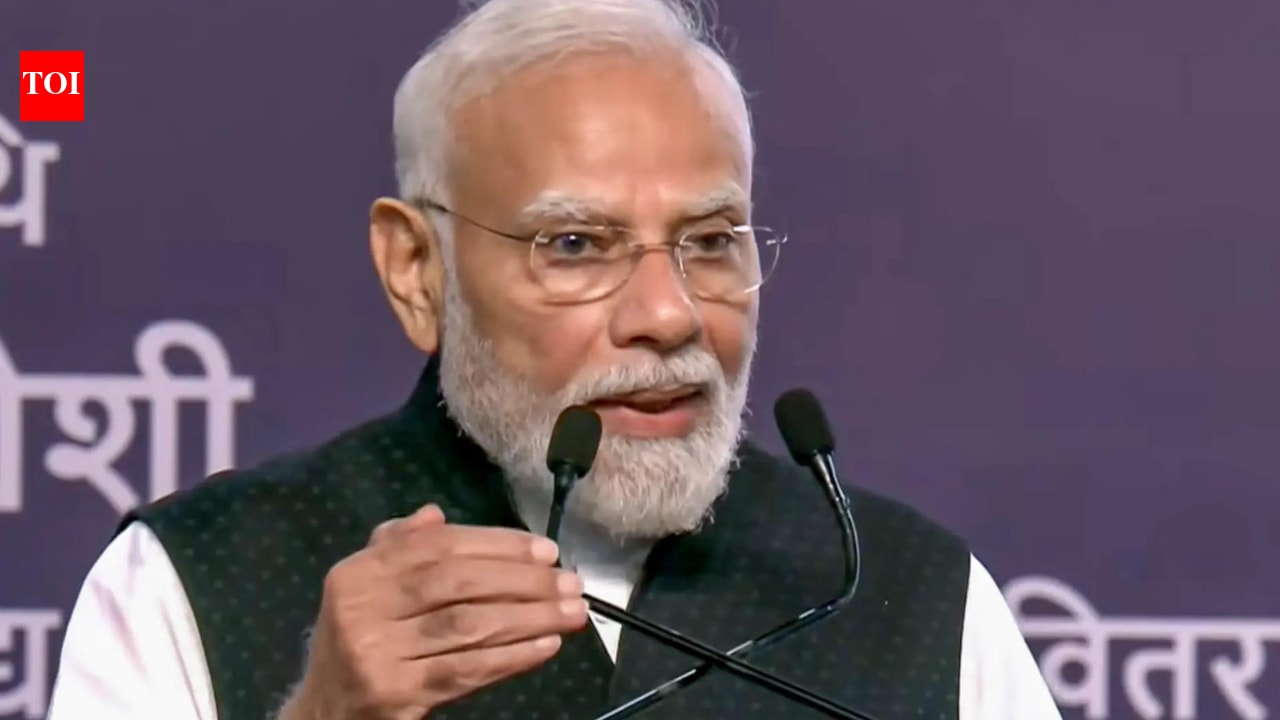
Prime Minister Narendra Modi defended India's 7.8% GDP growth, dismissing opposition criticism as pessimistic and unfounded. He highlighted the economy's resilience against global trade challenges and geopolitical instability in West Asia.
Assessing India's Economic Narrative Amidst Global Headwinds
Prime Minister Narendra Modi recently addressed the centenary celebrations of the Shri Ram College of Commerce (SRCC) in Delhi, using the platform to champion the resilience of the Indian economy. Central to his discourse was the reported 7.8% GDP growth, a figure he presented as evidence of India's robust economic trajectory despite a tumultuous global environment characterized by regional conflicts and trade instability.
The Opposition and the 'Digestibility' of Growth
In a pointed critique, the Prime Minister suggested that political detractors are unable to reconcile with these positive economic indicators. By stating that "some people could not digest the numbers," PM Modi aimed to frame the skepticism from the Opposition as a form of political cynicism. This rhetoric serves to solidify the narrative that the current administration's economic policies are producing tangible results that critics are ideologically compelled to downplay.
Contextualizing Growth Against Global Instability
Modi emphasized that this growth occurred against the backdrop of the ongoing war in West Asia and various international trade-related challenges. By anchoring the 7.8% figure to these global crises, the government seeks to highlight the economy’s internal strength. This argument positions India not merely as an observer of global volatility, but as an outlier capable of maintaining upward momentum while other major economies grapple with stagnation or decline.
Rebutting the 'Fragile 5' Legacy
Furthermore, the Prime Minister invoked the historical label of the "Fragile 5," a term previously used to describe India’s economic vulnerabilities. By contrasting past assessments with current indicators—such as the recent upgrade by the Japan Credit Rating Agency—he is attempting to rewrite the national economic narrative. This strategy is designed to portray the current government as the architects of a stable, high-growth economy, contrasting it with a perceived history of fiscal mismanagement.
The Role of Perception in Economic Policy
Beyond the raw data, the Prime Minister’s comments reflect a broader battle over public perception. By labeling critics as "congenital pessimists," he is effectively shifting the debate from technical fiscal analysis to one of national confidence. The assertion that the "power of truth" will overwhelm a "campaign of lies" suggests a political strategy aimed at delegitimizing opposition critiques by equating them with a lack of patriotism or a deliberate attempt to undermine national progress.
Future Implications and Trends
Looking ahead, this exchange underscores a deepening divide in how India's economic performance is interpreted. As the government continues to lean on growth statistics to validate its policies, the Opposition will likely continue to probe underlying issues such as employment rates, inflation, and income inequality to challenge the "resilience" narrative. The political landscape suggests that GDP figures will remain a primary battleground, serving as both a benchmark for governance and a tool for political mobilization in the run-up to future electoral cycles.