Tavleen Singh writes: Signs of political change
Source Entity
Tavleen Singh
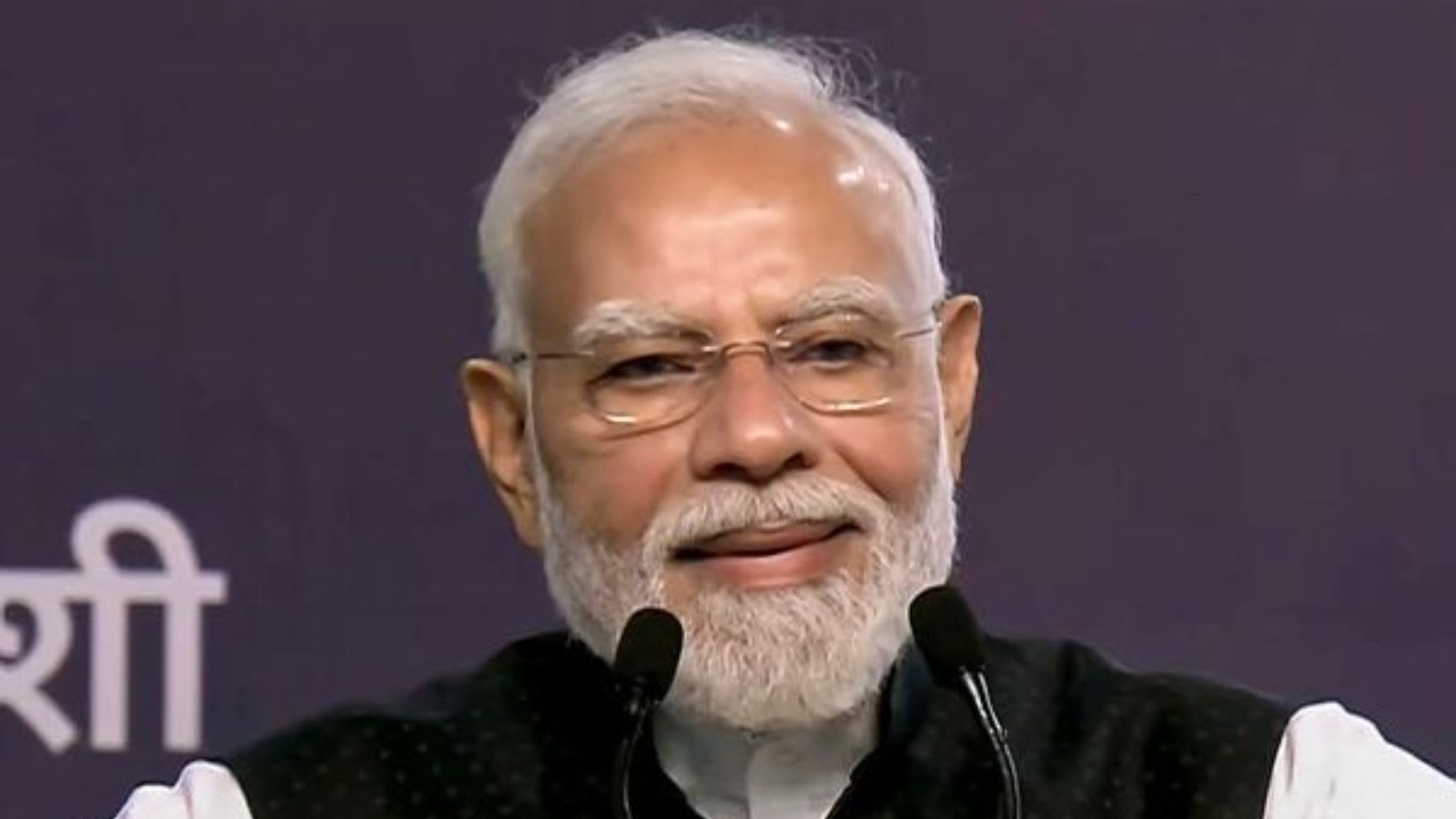
Veteran journalist Tavleen Singh observes a shift in the political atmosphere in Delhi, noting that citizens appear less fearful than in previous years. This perceived change suggests a subtle but fundamental transformation in the public's relationship with the current government.
The Shifting Political Landscape in Delhi
Recent observations from political circles in Delhi indicate that the national mood is undergoing a subtle, yet profound transformation. Long-time observers and political insiders have begun to note that the prevailing atmosphere—once characterized by a palpable sense of caution—is evolving into something more complex and less easily defined. This shift, identified during a week of somber, rainy weather in the capital, marks a departure from the climate of recent years.
The Erosion of Fear
The most significant observation shared by political analysts is that the fear factor that previously defined public discourse has begun to dissipate. For years, the political narrative was influenced by a perceived sense of anxiety among the populace regarding the consequences of dissent or open disagreement with the ruling establishment. The current consensus among those who have spent decades observing Delhi’s power corridors is that this pervasive fear is no longer the defining characteristic of the Indian voter.
Contextualizing the Modi Era
To understand the gravity of this change, one must look back at the early tenure of Prime Minister Narendra Modi. Many who initially supported his rise to power did so with a sense of optimism, viewing his leadership as a necessary break from the status quo. The transition from being a 'devoted devotee' of the early Modi years to a critical observer reflects a broader journey taken by many in the intelligentsia who once championed the government’s agenda but now find themselves evaluating the state of democracy with a more discerning eye.
Why the Mood Matters
Political moods are often the precursor to electoral shifts. In a democracy as large and diverse as India, the sentiment in Delhi often acts as a barometer for the rest of the nation. When the 'fear' component is removed from the political equation, it allows for a more robust, critical, and open debate. This change suggests that the electorate is moving toward a phase where the government is judged not by its initial promises, but by the tangible impact of its policies on the ground.
Implications for Future Governance
If this perceived shift is indeed a permanent fixture of the current political cycle, the implications for the ruling party are significant. A populace that is no longer 'scared' is inherently more demanding and less likely to be swayed by rhetoric alone. The government will likely need to adjust its communication and policy strategies to engage with a public that is becoming increasingly vocal and assertive in its expectations.
Conclusion
The evolution of the political mood in Delhi serves as a critical indicator of the health of Indian democracy. Whether this signifies a temporary lull or a long-term trend remains to be seen, but the anecdotal evidence of a reduction in public fear is a development that warrants close attention from all political stakeholders. As the nation moves forward, the ability of leaders to navigate this new, less fearful environment will define the next chapter of Indian politics.