PM Modi recognised the power of sun, followed it & brought its benefits to the people : Union Edu mini Pralhad Joshi at SRCC
Source Entity
The Indian Express
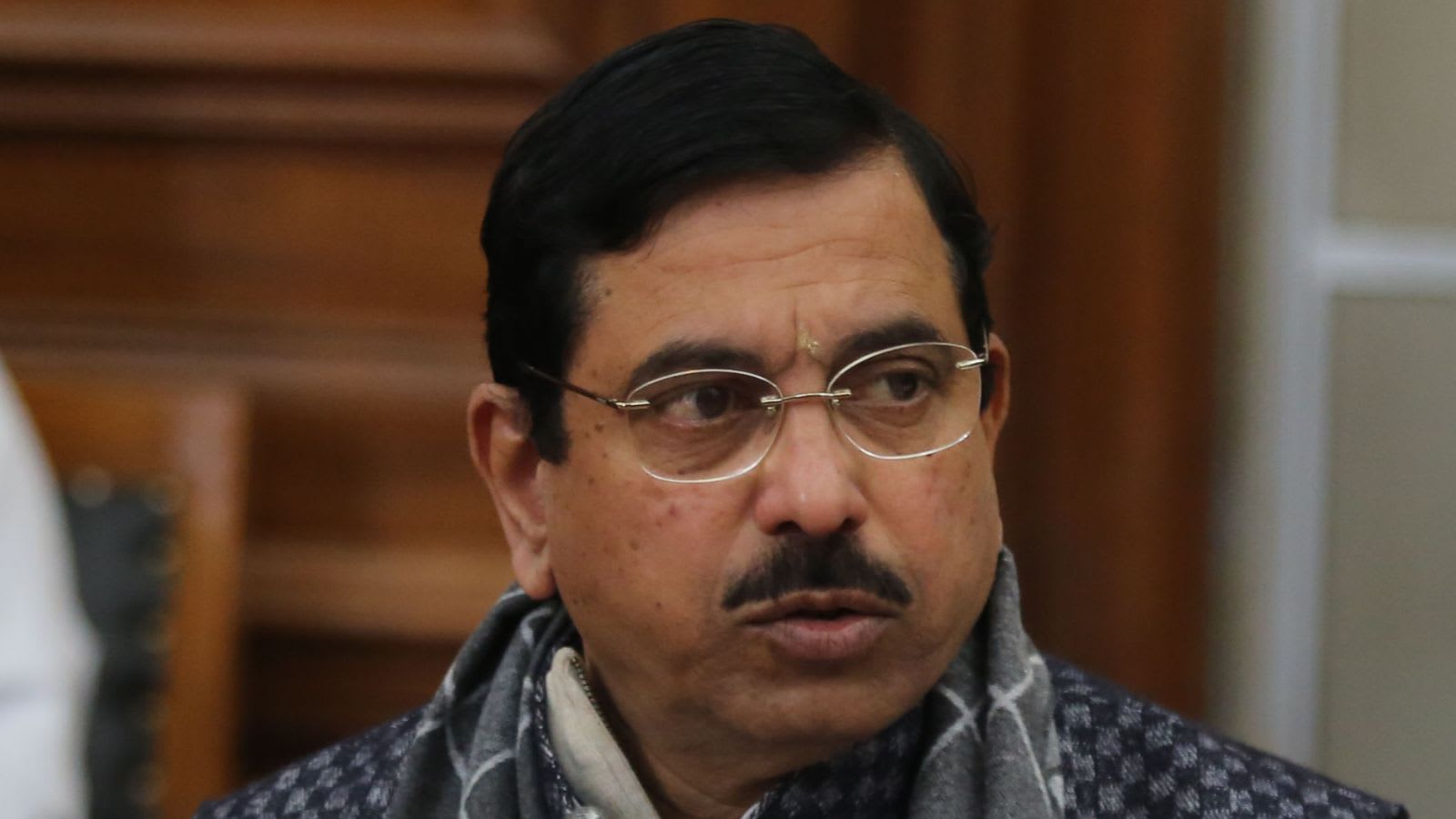
Union Education Minister Pralhad Joshi credited PM Narendra Modi for significantly scaling India's solar energy capacity from 2.6 GW to 165 GW. Speaking at SRCC, Joshi emphasized the government's strategic focus on harnessing renewable energy for national development.
India's Solar Energy Evolution: A Strategic Transformation
Union Education Minister Pralhad Joshi, while addressing the centenary celebrations of the prestigious Shri Ram College of Commerce (SRCC), offered a sharp political and developmental critique regarding India’s energy trajectory. By contrasting the pre-2014 energy landscape with the current status, Joshi positioned Prime Minister Narendra Modi’s leadership as the primary catalyst for a paradigm shift in how India approaches renewable resources.
Scaling the Solar Infrastructure
At the heart of the minister's address was a stark statistical comparison: the growth of solar energy capacity from a modest 2.6 gigawatts (GW) to an impressive 165 GW. This massive expansion is not merely a quantitative increase but signifies a fundamental change in India's energy policy. By prioritizing solar energy, the administration has moved to reduce the country’s reliance on traditional, carbon-intensive power sources, aligning India with global climate commitments and sustainable development goals.
The 'Sun' as a Symbol of Policy Intent
Joshi’s metaphorical assertion that the sun existed before 2014 but required a strategic vision to be 'recognised' serves as a rhetorical device to emphasize governance. It suggests that previous administrations failed to leverage existing natural capital. By frame-shifting the discourse, the current government frames its energy policy as an act of 'recognition'—a proactive identification of latent potential that had remained dormant or underutilized for decades.
Economic and Social Implications
The transition to a 165 GW solar capacity has profound implications for the Indian economy. Increased solar penetration is essential for energy security, reducing the fiscal burden of imported fossil fuels, and providing decentralized power to rural areas. By bringing the 'benefits to the people,' as Joshi noted, the government is linking large-scale infrastructure development directly to the socio-economic upliftment of the citizenry, particularly through schemes aimed at rural electrification and agricultural solar pumps.
Institutional Context and Future Trends
Speaking at an academic institution like SRCC provides a platform to frame this policy shift as a long-term developmental blueprint for the youth. As India aims to meet its ambitious Net Zero targets, the trajectory set by the current administration suggests a continued focus on scaling renewable technologies. The emphasis on solar power is likely to remain a cornerstone of India's 'Green Economy,' influencing future industrial policies, job creation in the manufacturing of solar panels, and the modernization of the national power grid.
Conclusion
In summary, Minister Pralhad Joshi’s remarks at SRCC highlight a pivotal era in Indian governance where renewable energy has transitioned from a peripheral concern to a central pillar of national strategy. By acknowledging the leap from 2.6 GW to 165 GW, the government is signaling that its energy policy is not just about environmental sustainability, but about establishing India as a global leader in the transition to clean energy, ultimately driving national growth and public welfare.