Heavy rain raises turbidity in raw water supply; PMC issues advisory
Source Entity
Latest News: Today's Latest News Headlines from India & World | Hindustan Times | Hindustan Times
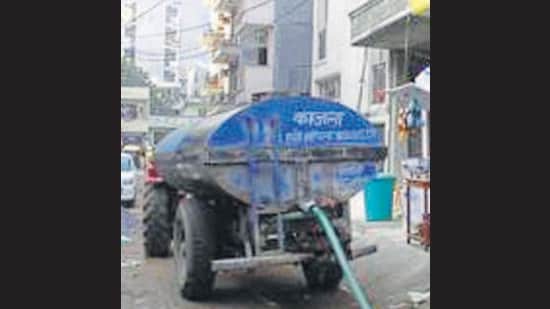
The Pune Municipal Corporation (PMC) has issued a health advisory to residents after heavy rainfall increased turbidity levels in the raw water supply, urging citizens to take additional precautions before consumption.
Heavy Rainfall and Water Quality: Analyzing the PMC Turbidity Advisory
Following a period of intense precipitation, the Pune Municipal Corporation (PMC) has issued a critical advisory to its residents regarding the quality of the city's drinking water. The core of the issue lies in the increased 'turbidity' of the raw water supply. Turbidity refers to the cloudiness or haziness of a fluid caused by large numbers of individual particles—such as silt, clay, and organic matter—that are suspended in the water. When heavy rains lash the catchment areas of the city's reservoirs, surface runoff carries significant amounts of soil and debris into the water bodies, leading to a spike in these suspended solids.
The Technical Challenge of Raw Water Turbidity
From a technical perspective, high turbidity in raw water presents a significant challenge for municipal water treatment plants (WTPs). Normally, water undergoes a process of coagulation and flocculation, where chemicals like alum are added to make small particles clump together and settle. However, when rainfall is extreme, the volume of suspended solids can overwhelm the capacity of these treatment processes. If the filtration systems cannot keep pace with the rapid increase in turbidity, a portion of these particles may enter the distribution network. While turbidity itself is not always a direct health hazard, it serves as a primary indicator of potential contamination.
Public Health Implications and Risks
The PMC's advisory for residents to take "additional precautions" is rooted in public health safety. High turbidity is often correlated with the presence of pathogens, as bacteria, viruses, and protozoa can attach themselves to the suspended particles. More importantly, turbidity interferes with the disinfection process; particles can "shield" microorganisms from chlorine, rendering the standard municipal chlorination less effective. This increases the risk of waterborne diseases such as gastroenteritis, typhoid, and cholera. By urging citizens to boil their water or use advanced filtration systems, the PMC is attempting to mitigate the risk of a widespread health crisis during the monsoon season.
Municipal Infrastructure and Seasonal Vulnerability
This event highlights a recurring vulnerability in urban water infrastructure during the Indian monsoon. The PMC manages a complex network of pipelines and treatment facilities that are under immense pressure during the rainy season. The struggle to maintain water clarity during heavy downpours suggests a gap between the design capacity of existing filtration systems and the reality of modern weather patterns. The issuance of an advisory is a standard administrative tool used when the municipal body recognizes that the raw water quality has dipped below the threshold where the city's internal treatment can guarantee 100% purity.
Broader Context: Climate Change and Urban Water Management
Looking at the broader implications, this incident is indicative of a larger trend involving climate volatility. As urban centers experience more frequent and intense rainfall events—often characterized by short bursts of extreme precipitation—the runoff into raw water sources becomes more violent and silt-heavy. This puts an increasing strain on municipal bodies across India to upgrade their water treatment technologies. The transition toward more robust systems, such as membrane filtration or ultrafiltration, may become necessary to ensure that water remains potable regardless of the weather conditions in the catchment areas.
Conclusion and Future Outlook
In summary, the PMC's advisory is a necessary response to the environmental impact of heavy rainfall on raw water quality. While the municipal corporation continues to manage the filtration process, the responsibility for final safety has temporarily shifted to the consumer. Moving forward, the city will likely need to invest in better catchment area management to reduce soil erosion and upgrade its treatment plants to handle higher turbidity loads. For now, residents must remain vigilant, adhering to the PMC's guidelines by boiling or filtering water to ensure their health and safety.
Verification Required?