Polestar tries to quantify what it’s like to drive a performance car
Source Entity
Jonathan M. Gitlin
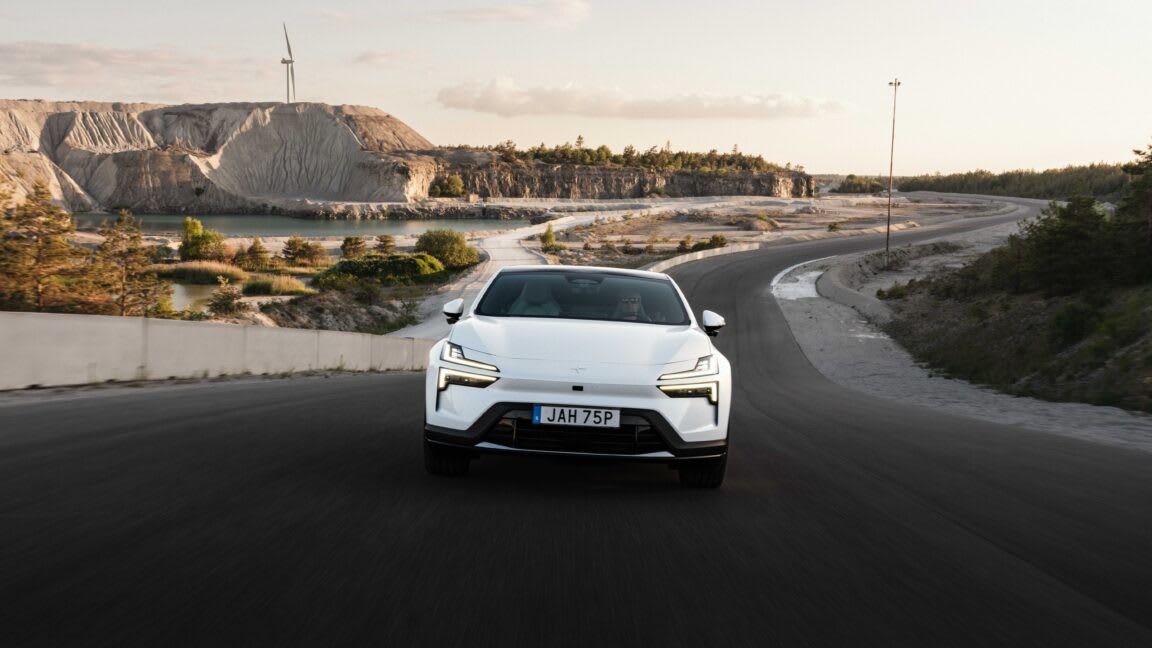
Polestar is exploring the human physiological response to high-performance electric vehicles by monitoring drivers with EEG electrodes on a racetrack. This initiative seeks to move beyond traditional metrics like acceleration and lap times to quantify the visceral experience of driving.
The Intersection of Neuroscience and Automotive Performance
Polestar has embarked on a unique experimental initiative aimed at quantifying the subjective experience of high-speed driving through physiological measurement. By outfitting test drivers with EEG electrodes while navigating performance electric vehicles (EVs) on a track, the company is attempting to bridge the gap between cold, hard mechanical data—such as 0-60 mph times—and the actual human emotional and cognitive response to speed.
Historical Context: The Evolution of Speed
The human fascination with velocity is deeply rooted in our history, dating back to the domestication of horses on the Pontic-Caspian steppe. What began as a primitive survival mechanism or a way to gain a tactical advantage has evolved over five millennia into a recreational and technological pursuit. From the invention of the chariot to the modern combustion and electric engine, humanity has consistently sought to surpass the limitations of biological locomotion through mechanical innovation.
Moving Beyond Traditional Metrics
For decades, the automotive industry has relied on objective performance benchmarks: horsepower, torque, top speed, and lap times. While these metrics are vital for engineering and marketing, they fail to capture the visceral sensation of driving. As the current 'arms race' among EV manufacturers focuses heavily on shaving milliseconds off acceleration times, Polestar’s approach suggests that the future of performance branding may lie in the psychological 'thrill' factor rather than just raw output.
The Role of Bio-Feedback in Engineering
By utilizing electrodes to monitor brain activity, Polestar is essentially introducing a neuro-scientific layer to automotive testing. This methodology could potentially allow manufacturers to tune vehicle dynamics—such as suspension stiffness, steering feedback, and power delivery curves—to optimize the driver's state of engagement. If engineers can correlate specific brain wave patterns with 'peak' driving enjoyment, they can refine the human-machine interface to create a more immersive experience.
Future Implications for Performance EVs
This trend signals a shift in how high-end vehicles will be marketed and developed. As EVs become increasingly quiet and smooth, the traditional sensory cues of speed, such as engine roar and vibration, are diminished. Consequently, manufacturers must find new ways to communicate power. Polestar's research suggests that the 'feeling' of performance will become a product design priority, potentially leading to 'emotion-aware' vehicles that adjust their output to match the driver's desired intensity.
Conclusion
Polestar’s attempt to quantify the human response to speed represents a pioneering step in automotive research. By shifting the focus from the machine's capabilities to the driver's internal state, the industry may be on the cusp of a new era where performance is defined not just by how fast a car goes, but by the intensity of the experience it creates for the person behind the wheel.