In Gujarat, how BJP, Opposition vie to claim Birsa Munda legacy for tribal outreach
Source Entity
Aditi Raja
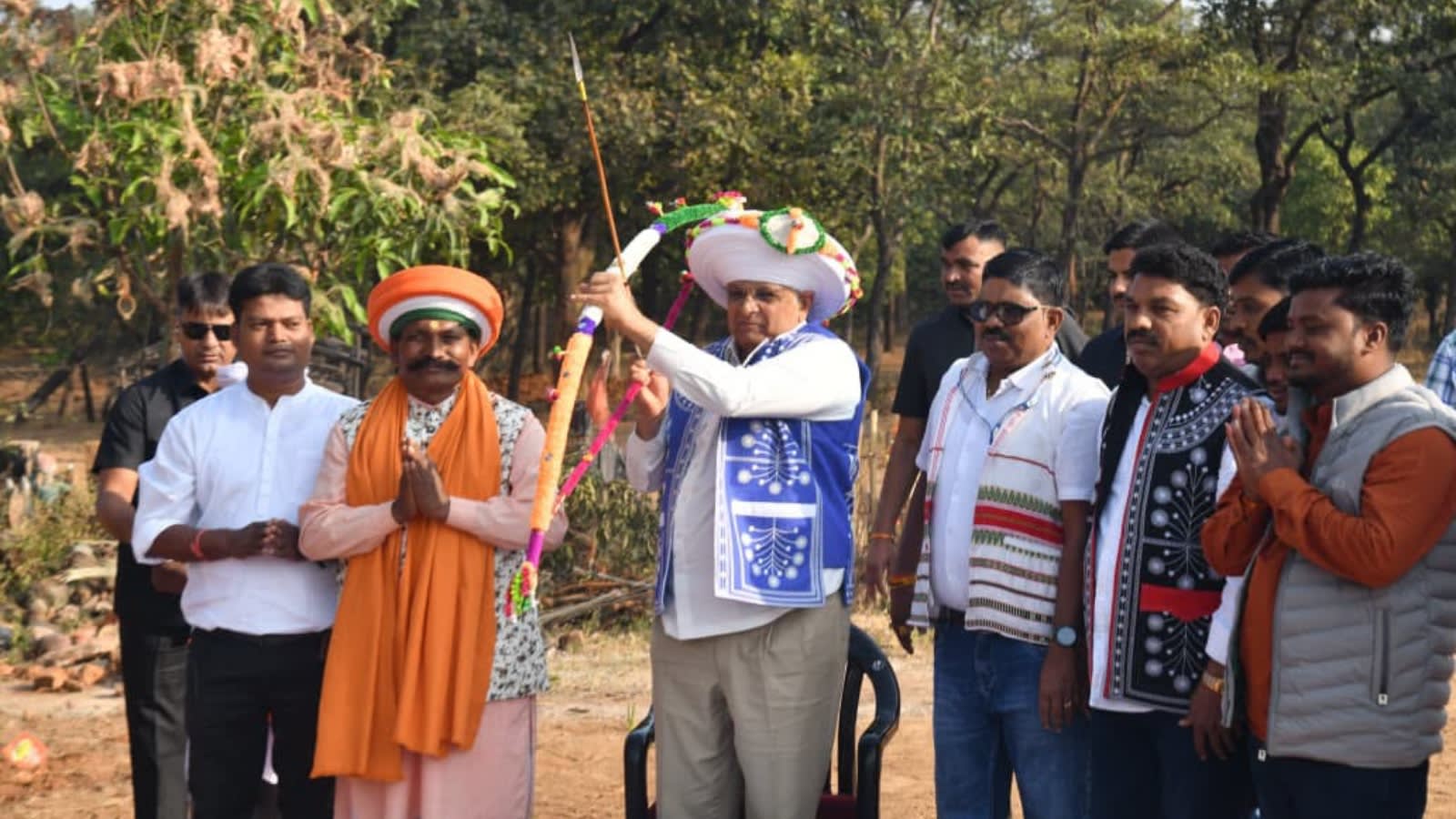
Political parties are actively competing to influence tribal communities in India through symbolic outreach and grassroots engagement. These efforts occur against a backdrop of complex social struggles, highlighted by the tragic death of activist Nisha Bhagat in Jharkhand.
The Battle for Tribal Allegiance: Symbolism vs. Reality
The political landscape in India is witnessing an intensified competition for the support of tribal communities, characterized by high-profile outreach programs and the veneration of figures like Birsa Munda. In Gujarat, the Bharatiya Janata Party (BJP) is employing direct, grassroots-level engagement to solidify its influence. Chief Minister Bhupendra Patel’s 72-hour stay in the Garbada belt of Dahod district serves as a strategic maneuver to bridge the gap between the state administration and marginalized tribal populations, utilizing symbolic acts such as donning traditional attire and participating in local customs to demonstrate cultural solidarity.
Infrastructure and Environmental Context
Beyond symbolic gestures, political outreach is increasingly intertwined with developmental and environmental narratives. The government’s focus on Pipardi village, situated within the Ratanmahal forest, highlights the intersection of tribal welfare and ecological preservation. The recent appearance of a tiger in the region—after a 30-year absence—has allowed the government to frame its agenda around an 'eco-corridor project.' This dual approach of addressing basic infrastructure needs, such as the functionality of local anganwadis, while simultaneously promoting environmental conservation, is designed to enhance the government’s image as a steward of both people and nature.
The Shadow of Dissent
While political parties vie for tribal support through outreach, the lived reality for many tribal activists remains fraught with profound challenges. The tragic death of Nisha Bhagat in Jharkhand provides a stark counter-narrative to the polished visuals of political campaigns. Her final Facebook Live video, where she expressed the immense psychological burden of exposing government actions, underscores the friction between grassroots activism and institutional power. Her story highlights the Sarna-Sanatan identity struggle and the high personal cost often paid by those who challenge the status quo from within these communities.
Contrasting Narratives of Engagement
There is a notable dichotomy in how tribal issues are currently being managed. On one hand, state-led initiatives emphasize integration, cultural appreciation, and development. On the other, individual activists like Bhagat represent a legacy of questioning and resistance. These two trajectories—one institutional and one insurgent—are currently shaping the political consciousness of tribal regions across India. The BJP's efforts in Gujarat to claim the Birsa Munda legacy reflect a broader national trend of co-opting tribal icons to build a unified electoral base.
Future Trends in Tribal Politics
Looking ahead, it is clear that tribal regions will remain a critical frontier for political mobilization. We can expect to see an increase in 'on-the-ground' political residency programs, as demonstrated by CM Patel’s extended stay in Dahod. However, the efficacy of these programs will be measured not just by optics, but by the ability of the state to address the underlying socio-political grievances that drive activists to take extreme measures. The future of this political engagement will depend on whether the state can move beyond symbolic outreach to provide genuine protection and systemic support for the diverse voices within tribal India.