Poseidon Aerospace lands $60M ahead of first pilotless test flight
Source Entity
Sean O'Kane
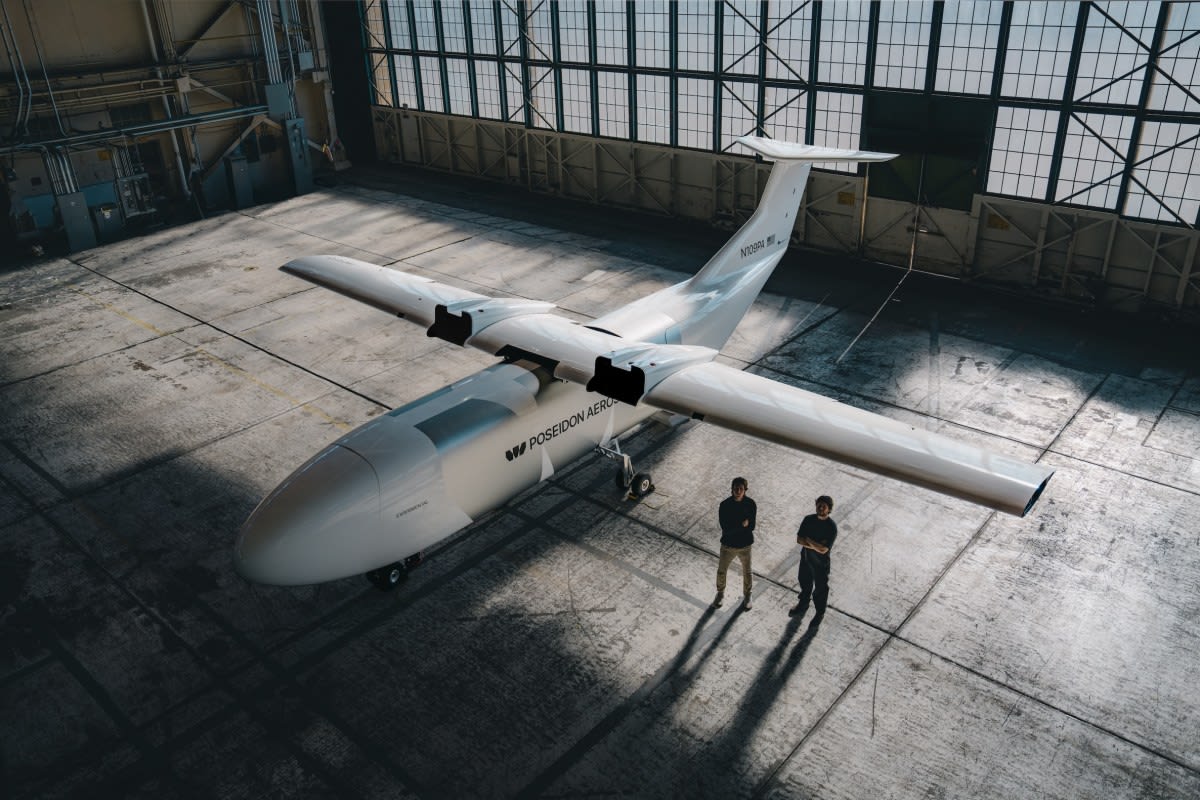
Poseidon Aerospace has secured $60 million in funding to advance its mission of developing pilotless cargo aircraft. The startup aims to revolutionize logistics economics by prioritizing operational efficiency over flashy technological innovation.
The Shift Toward Autonomous Logistics
Poseidon Aerospace has officially secured $60 million in new funding, a significant milestone as the company prepares for its inaugural pilotless test flight. By focusing on the removal of pilots from cargo aircraft, the startup aims to fundamentally restructure the economics of global logistics. This development signals a growing trend in Silicon Valley where the focus is shifting from purely passenger-oriented advanced air mobility to the more immediate, high-impact world of automated freight.
Origins and Industry Expertise
The company’s foundation lies in the combined experience of its co-founders, David Zagaynov and Parker Tenney. Zagaynov, drawing from his tenure in logistics at Amazon, and Tenney, who brings critical expertise from Lockheed Martin, recognized a distinct gap in the current aerospace market. While many startups are currently preoccupied with flashy, high-tech passenger solutions, the duo identified that the most significant market potential lies in streamlining the movement of cargo through automation.
Rethinking Aerologistics Economics
Philosophically, Poseidon Aerospace differentiates itself by prioritizing market viability over technical novelty. Zagaynov has expressed concern that many aerospace ventures are distracted by "nerd-sniping"—the tendency to implement complex technology for the sake of innovation rather than utility. By centering their mission on improving the fundamental economics of cargo transport, Poseidon is positioning itself as a pragmatic player in the competitive aerospace sector.
The Challenge of Pilotless Flight
Moving to a pilotless model for cargo aircraft presents profound engineering and regulatory challenges. Removing the human element requires robust, redundant systems that can handle complex flight paths and emergency protocols without real-time human intervention. The upcoming test flight will serve as a critical proof-of-concept for the company’s assertion that automation can provide a safer, more efficient alternative to traditional, crewed cargo transport.
Future Implications for Supply Chains
The successful implementation of autonomous cargo flight could have massive implications for global supply chains. By reducing the reliance on human pilots, companies could potentially operate aircraft for longer durations and with significantly lower overhead costs. If Poseidon Aerospace can prove the efficacy of their approach, it may pave the way for a new era of logistics where autonomous fleets become the standard for domestic and international freight delivery.
Conclusion
With $60 million in capital now supporting their vision, Poseidon Aerospace is moving from the theoretical design phase into active testing. Their focus on the practical, economic side of logistics, rather than just the technological allure of flight, makes them a company to watch. As they approach their first pilotless test flight, the outcome will likely determine the pace at which autonomous cargo systems are integrated into the broader transportation infrastructure.