"Don't Want To Live Like This": 5 Postpartum Women In Kota Demand Euthanasia
Source Entity
NDTV News Search Records Found 1000
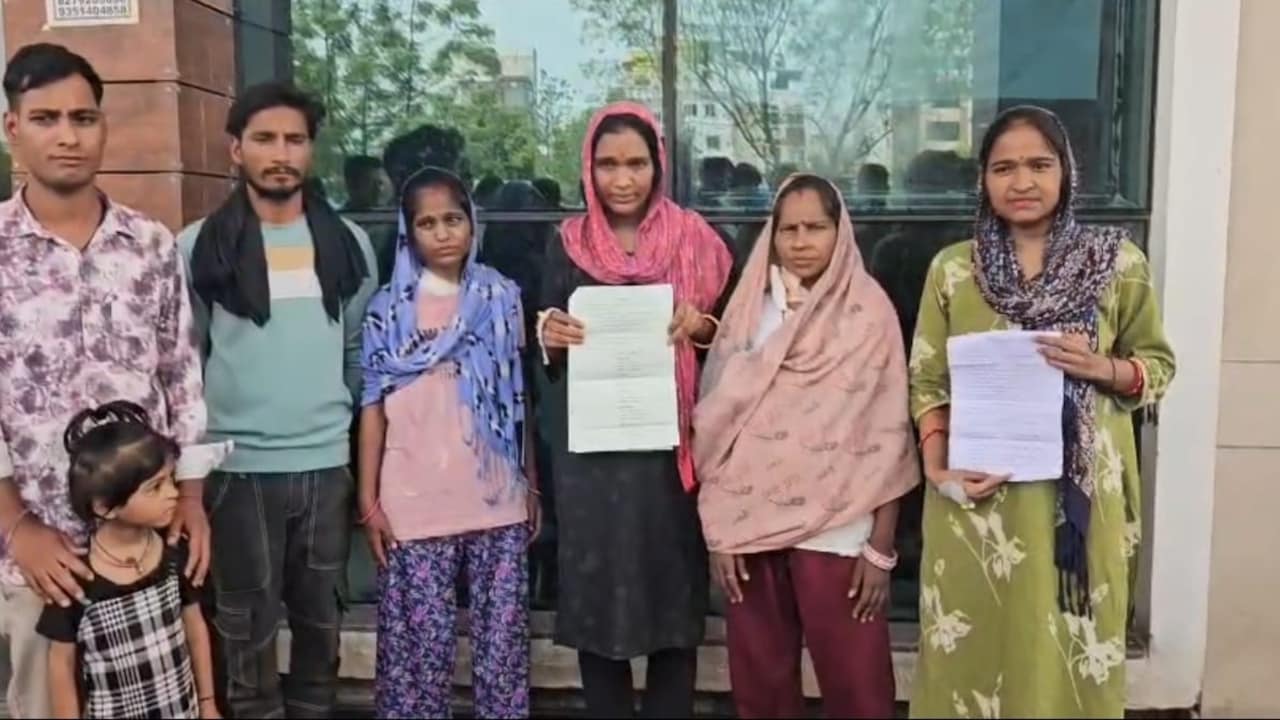
Five postpartum women in Kota are facing a critical health crisis due to acute kidney failure. The patients have reached a state of desperation, formally requesting euthanasia as they struggle with their condition.
A Critical Health Crisis in Kota
A deeply concerning situation has emerged in Kota, where five postpartum women are currently battling severe kidney failure. This medical emergency, occurring during the vulnerable postpartum period, highlights a significant strain on the individuals involved and their families, as they navigate the complexities of sudden, life-threatening renal complications.
The Gravity of Postpartum Renal Failure
Postpartum kidney failure is a complex and often devastating condition. While the specific clinical triggers in these five cases remain under investigation, the intersection of pregnancy-related physiological stress and acute renal impairment presents a formidable challenge for medical teams. The sudden onset of such conditions often requires intensive care, dialysis, or long-term therapeutic intervention, which can be both physically and mentally exhausting for new mothers.
The Demand for Euthanasia and Ethical Implications
The request for euthanasia by these patients serves as a harrowing indicator of the level of physical suffering and despair they are experiencing. In the context of severe chronic illness, the desire to end one's life often stems from a combination of intractable pain, the loss of autonomy, and the overwhelming burden of medical treatment. This plea raises profound ethical and legal questions regarding patient rights, the role of palliative care, and the limitations of modern healthcare systems in addressing the existential distress of patients.
Challenges in Healthcare Delivery
This incident brings focus to the capacity of regional medical facilities to handle specialized maternal health crises. When postpartum complications escalate into organ failure, the demand for specialized nephrological care and support systems becomes paramount. The inability to manage these conditions effectively or provide adequate pain relief and psychological support often leads to the kind of desperation seen in these five women, underscoring the need for more robust, integrated maternal health services.
Future Implications and Societal Support
Moving forward, it is essential that the healthcare system in Kota evaluates the resources available for postpartum complications. Beyond the immediate medical treatment, there is a clear need for psychological counseling and comprehensive social support for families facing such traumatic health events. Addressing the systemic gaps that lead patients to feel that euthanasia is their only option is a critical necessity for public health policy.
Conclusion
The situation in Kota is a stark reminder of the unpredictable nature of health crises and the absolute necessity of compassionate, high-quality medical intervention. As these five women continue their struggle, the focus must remain on providing them with the best possible care, support, and hope, while simultaneously investigating the root causes of this cluster of cases to prevent future occurrences.
Verification Required?