Premium Scotch May Get 10-15% Cheaper In Delhi Soon. Here's Why
Source Entity
NDTV News Search Records Found 1000
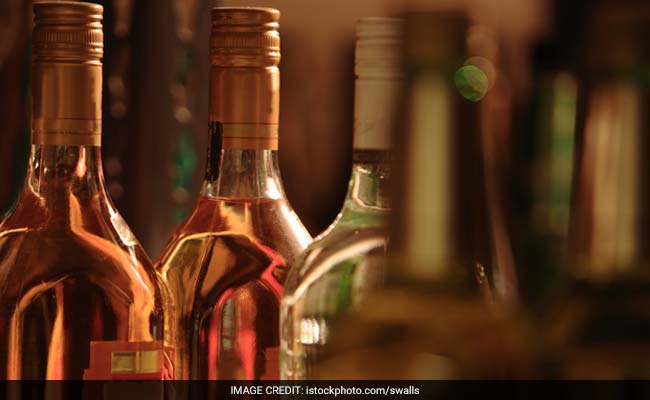
Delhi consumers may soon see premium Scotch prices drop by 10-15% as a decision on a proposed excise duty hike remains pending. The delay in government policy implementation is currently influencing potential retail pricing trends.
The Shifting Landscape of Delhi’s Liquor Market
Recent reports indicate that premium Scotch whisky prices in Delhi could witness a significant reduction, potentially falling by 10-15% in the near term. This anticipated price correction is directly tied to the status of a proposed excise duty increase, which remains under administrative review. The uncertainty surrounding this policy adjustment has created a unique window where market participants are closely monitoring government deliberations to gauge the future of retail liquor pricing in the capital.
The Impact of Excise Policy on Retail Pricing
Excise duty constitutes a substantial portion of the final retail price for imported spirits in India. When the government proposes an increase in these levies, retailers and importers typically prepare for higher price points for the consumer. However, because the decision on this specific excise hike is currently facing delays, the expected upward pressure on prices has been temporarily suspended. This regulatory pause provides a reprieve for consumers of premium labels, who may benefit from the current tax structure for a longer duration than previously anticipated.
Market Dynamics and Consumer Behavior
In the premium segment, price sensitivity is often balanced by brand loyalty and availability. A 10-15% reduction in cost is significant enough to alter consumer purchasing patterns, potentially shifting volume from mid-range spirits toward premium Scotch categories. If the government continues to defer the excise hike, Delhi’s liquor retailers may see an uptick in sales volume for high-end imports, as the relative affordability of these products becomes more competitive compared to other luxury consumption categories.
Broader Economic Implications
The delay in finalizing excise rates highlights the complex balancing act that state governments perform between revenue generation and market stability. While excise duties are a primary source of revenue for the Delhi government, aggressive taxation can sometimes lead to market stagnation or a shift toward unauthorized channels. By taking more time to evaluate the proposed increase, policymakers are likely assessing the elasticity of demand for premium alcohol to ensure that any future tax hikes do not inadvertently suppress legitimate sales.
Historical Context and Future Trends
Historically, the Delhi liquor market has undergone several policy shifts, ranging from private retail models to government-run outlets. These transitions have consistently focused on optimizing revenue while managing public health concerns. The current situation reflects a broader trend of regulatory caution where the state is carefully weighing the trade-off between increasing tax collection and maintaining a healthy market environment for international spirits. Future trends will likely depend on whether the government prioritizes immediate revenue targets or long-term growth in the premium alcohol sector.
Conclusive Summary
In summary, the potential for a 10-15% price drop in premium Scotch is a direct consequence of the government’s measured approach toward revising excise duties. While the delay provides a short-term benefit for consumers, the long-term pricing strategy remains contingent on upcoming administrative decisions. Stakeholders across the supply chain, from importers to retail consumers, must remain attentive to official policy announcements, as the final decision will determine the future fiscal landscape of the premium alcohol market in Delhi.
Verification Required?