Priti Adani Calls For Closer Industry-Academia Ties To Build India's Semiconductor Talent
Source Entity
NDTV News Search Records Found 1000
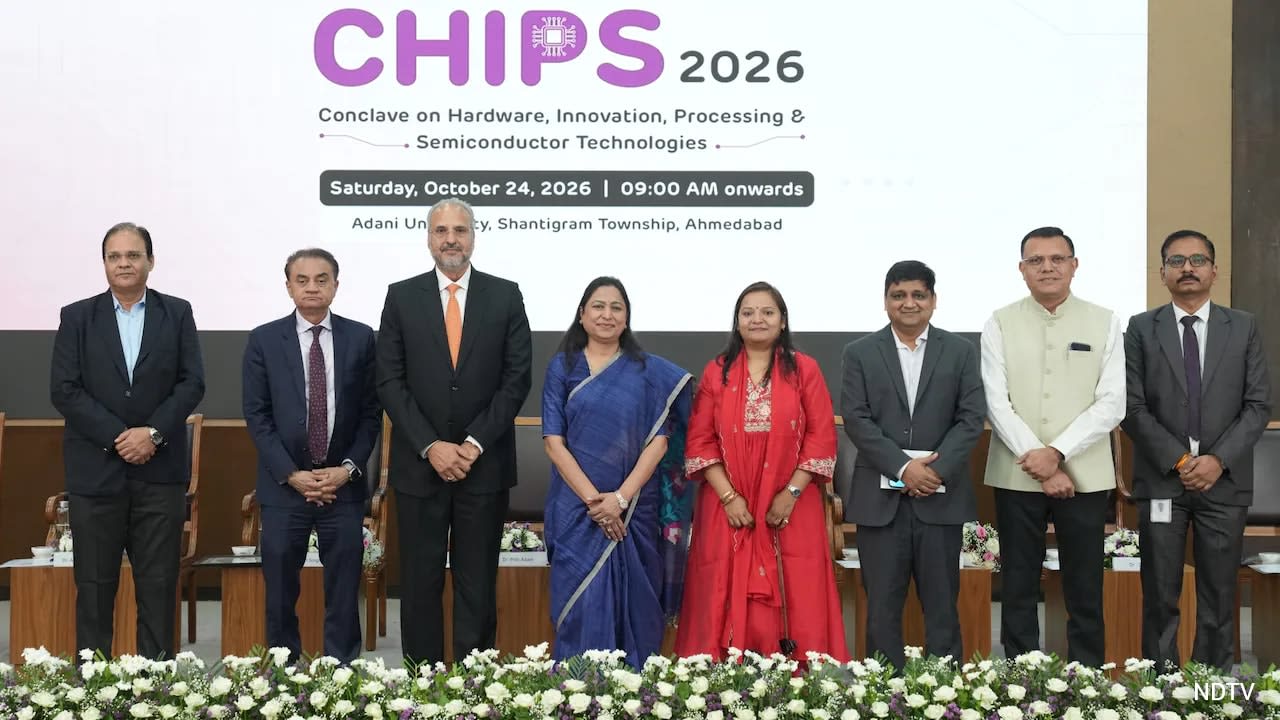
Priti Adani has advocated for stronger collaboration between academia and the semiconductor industry to bridge the talent gap. This call to action occurred during the CHIPS 2026 conclave, which focused on critical strategic priorities for India's growing chip sector.
Bridging the Gap: Priti Adani’s Vision for India’s Semiconductor Future
At the recent CHIPS 2026 conclave, a pivotal event shaping the nation's technological trajectory, Priti Adani emphasized the urgent need for a symbiotic relationship between academic institutions and the semiconductor industry. As India strives to position itself as a global hub for chip manufacturing and design, the human capital requirement remains a primary bottleneck. Adani's call for closer ties underscores a strategic recognition that traditional engineering curricula must evolve to meet the highly specialized demands of modern semiconductor fabrication and R&D.
The CHIPS 2026 Framework
The CHIPS 2026 conclave served as a critical platform for stakeholders to align on national priorities. By facilitating three distinct panel discussions, the event allowed industry leaders to dissect the complex ecosystem required to sustain a semiconductor manufacturing base. These discussions moved beyond theoretical frameworks, focusing instead on actionable strategies to integrate industrial expertise into the university classroom, ensuring that graduates are 'industry-ready' from day one.
Scaling the Talent Pipeline
The semiconductor industry is uniquely capital and knowledge-intensive, requiring a workforce that possesses both deep theoretical understanding and practical exposure to cleanroom environments and advanced lithography processes. Adani’s proposal suggests that by fostering direct partnerships, companies can influence research agendas and curriculum design, effectively shortening the training lifecycle for new engineers. This initiative is essential to prevent a 'talent crunch' as more fabrication units (fabs) and assembly, testing, marking, and packaging (ATMP) facilities come online across the country.
Strategic Implications for India's Economy
India’s ambition to become a global semiconductor power is not merely a matter of infrastructure; it is a battle for intellectual dominance. The focus on industry-academia synergy is a direct response to the global supply chain diversification efforts currently underway. By localizing the knowledge base, India can reduce its reliance on imported talent and proprietary foreign expertise, thereby securing its long-term strategic autonomy in the technology sector.
Future Trends and Collaborative Growth
Looking forward, the success of India's semiconductor mission will likely be measured by the depth of these institutional partnerships. We can expect to see an increase in corporate-funded research labs within universities and specialized degree programs tailored to the needs of the chip industry. If sustained, this momentum will likely foster an ecosystem of innovation that attracts global semiconductor giants to invest further in India’s growing talent pool, ultimately cementing the nation's role as a cornerstone of the global electronics value chain.
Verification Required?