Opposition’s next move in House: Raising Ram temple ‘donation theft’ while continuing to target Amit Shah
Source Entity
Asad Rehman, Liz Mathew
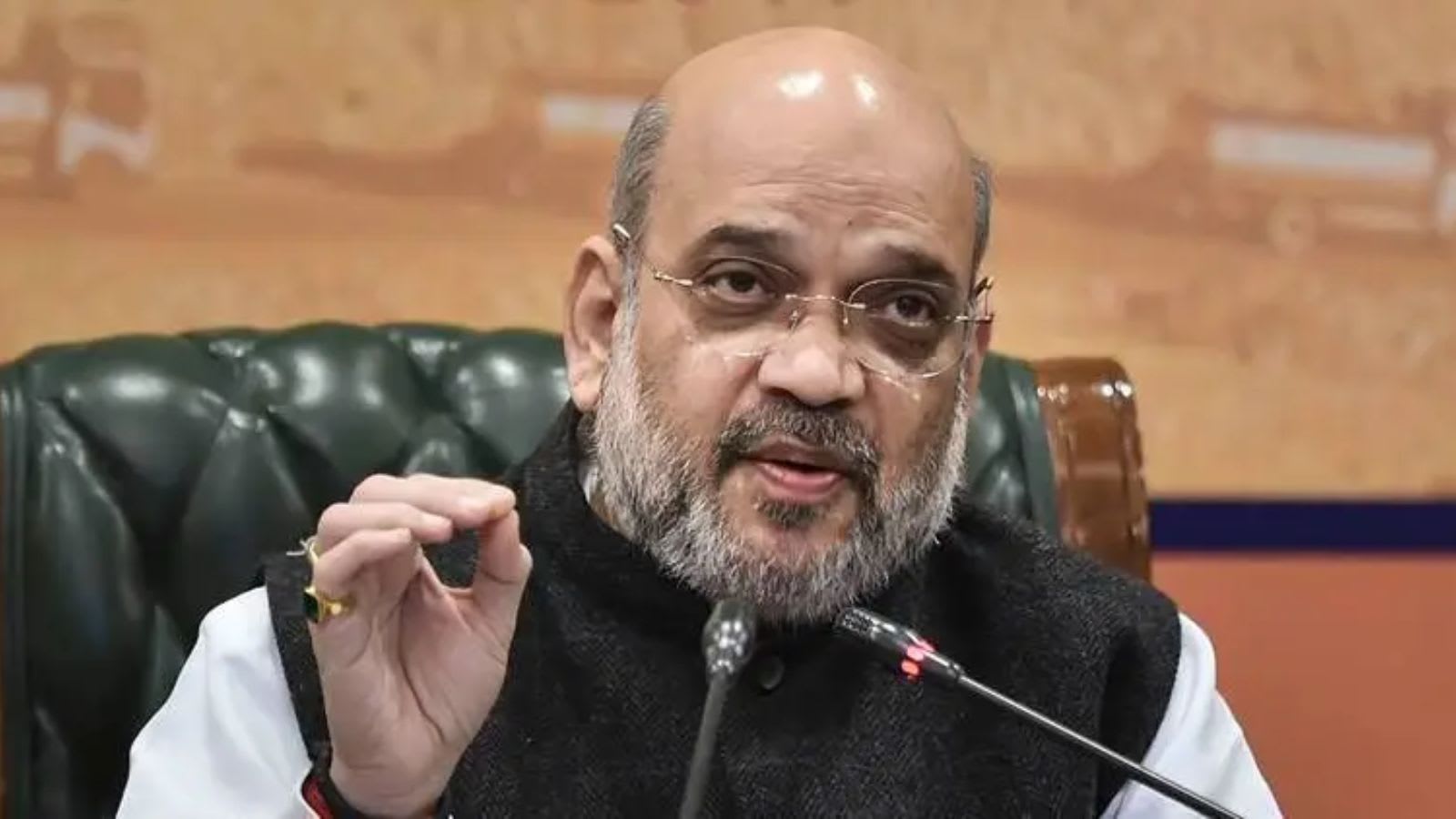
Congress leader Priyanka Gandhi has sparked a political row by labeling IIT-Madras Director V Kamakoti a 'cow urine expert' during a parliamentary debate on NEET reforms. The controversy centers on the composition of the government's new task force, which was formed to address examination integrity following recent paper leak scandals.
The Intersection of Academia and Political Rhetoric
The recent parliamentary session witnessed a sharp escalation in political discourse as Congress leader Priyanka Gandhi targeted the central government’s newly formed task force for exam reforms. Central to this controversy is V Kamakoti, the Director of IIT-Madras and a member of the high-powered committee led by Nandan Nilekani. Gandhi’s characterization of Kamakoti as a "gaumutra expert" has ignited a fierce debate regarding the intersection of scientific credentials and political optics in India.
Academic Credentials vs. Public Perception
Professor V Kamakoti is a distinguished academic whose contributions to computer architecture and national security are widely recognized. Notably, his research team at IIT-Madras is responsible for developing 'Shakti,' India’s first indigenous microprocessor. Furthermore, his academic excellence was recently honored with the Padma Shri award. However, these achievements are currently being overshadowed by public reports regarding his past advocacy for the medicinal benefits of cow urine, a subject that has become a lightning rod for ideological criticism.
The Context of NEET and Exam Reforms
The formation of this task force follows a turbulent period characterized by widespread protests concerning NEET paper leaks. These events led to the resignation of former Education Minister Dharmendra Pradhan and necessitated a systemic overhaul of the National Testing Agency (NTA). The government’s decision to appoint a high-powered panel under Nilekani was intended to restore public trust in the examination system, yet the inclusion of figures like Kamakoti has drawn scrutiny from the Opposition.
Political Accountability and Committee Efficacy
Beyond the specific rhetoric directed at Kamakoti, Priyanka Gandhi’s critique emphasizes a broader skepticism regarding the efficacy of government committees. By invoking the history of the Radhakrishna Committee, she argued that the creation of new panels is a performative act unless accompanied by the genuine implementation of recommendations. The Opposition's stance suggests a belief that the government is prioritizing political alignment over purely meritocratic or neutral oversight in its reform agenda.
Implications for Future Educational Policy
The ongoing debate highlights the precarious nature of educational reform in a polarized political environment. As the committee begins its work to overhaul the NTA, the pressure to produce tangible results is immense. Whether the government can insulate the reform process from political mudslinging while addressing the genuine concerns regarding exam integrity remains to be seen. The controversy underscores that, in the current climate, the personal views and public statements of experts serving on state panels are subject to intense political vetting.
Conclusion
The clash between Priyanka Gandhi and the government regarding the composition of the exam reform task force reflects deep-seated tensions in Indian governance. While the government maintains that experts like Kamakoti are essential for technical reform, the Opposition continues to leverage such associations to challenge the integrity of the administration. This episode serves as a reminder that the path to educational reform is fraught with political challenges that extend far beyond technical and bureaucratic solutions.
Multiple Citing Sources