A small set of rules on addressing interviewees
Source Entity
Latest News: Todays Latest News Headlines from India & World | Hindustan Times
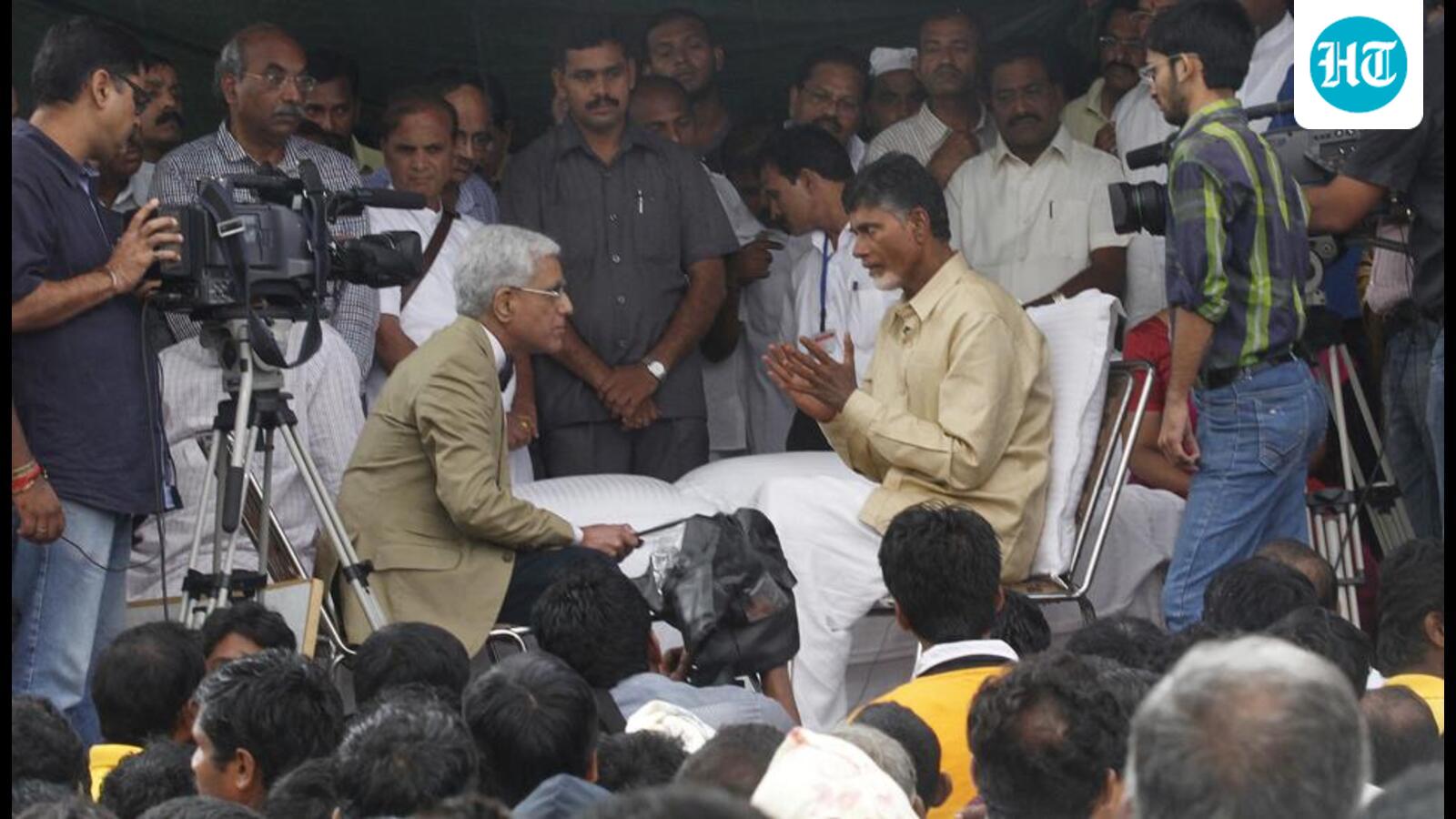
A news anchor explains their professional policy of avoiding 'Sir' or 'Madam' when addressing interviewees. This practice is framed as a deliberate effort to maintain an illusion of equality during journalistic discourse.
The Semantics of Professionalism in Journalism
In the realm of broadcast journalism, the power dynamic between an anchor and their guest is often scrutinized, but rarely discussed with the level of introspection provided here. The anchor’s decision to eschew honorifics like 'Sir' or 'Madam' in favor of professional titles like 'Mr.', 'Ms.', or official designations such as 'Minister' represents a deliberate departure from traditional hierarchical norms. This practice, as described, is not born of spontaneity but is the result of a calculated effort to manage the framing of a journalistic encounter.
Protecting the Illusion of Equality
The core justification for this linguistic choice is the preservation of an 'illusion of equality.' By stripping away deferential titles that imply social or professional subordination, the anchor seeks to create a neutral ground where the exchange of ideas is prioritized over social ranking. This approach suggests that the anchor views the interview not as a conversation between a subordinate and a superior, but as a balanced interaction where the objective is to elicit information, not to demonstrate social compliance.
Decoding the Professional Protocol
Critics of this approach often mistake this stylistic choice for discourtesy. However, the anchor clarifies that the policy is consistent regardless of the guest's seniority. By applying the same naming convention to all guests—whether they are high-ranking ministers or private citizens—the journalist enforces a systematic, rather than idiosyncratic, framework. This consistency is essential for maintaining professional detachment and ensuring that the interview remains focused on the content of the dialogue rather than the status of the participant.
The Anchor-Guest Power Dynamic
Journalism inherently involves a degree of friction, as anchors are tasked with holding power to account. When an anchor refuses to use honorifics, they are essentially signaling that the platform they occupy belongs to the public interest, not to the individual status of the guest. This subverts the traditional expectations of polite society, where deference is often expected based on age or title, and instead replaces it with a standardized professional decorum that treats every guest as a peer for the duration of the broadcast.
Broader Implications for Media Standards
This debate highlights a larger cultural conversation regarding the role of language in journalism. In many cultures, the use of honorifics is deeply embedded in social fabric and is seen as a sign of respect. By choosing to bypass these norms, the anchor is making a stylistic statement about the nature of their profession. It challenges the audience to consider whether the 'respect' implied by titles actually hinders the transparency required for critical questioning. Ultimately, the anchor's stance serves as a reminder that the language of news is rarely accidental, but rather a reflection of the journalist's commitment to their specific editorial philosophy.
Verification Required?