Segro rebuffs enhanced $18.2B Prologis takeover bid
Source Entity
Yahoo Finance
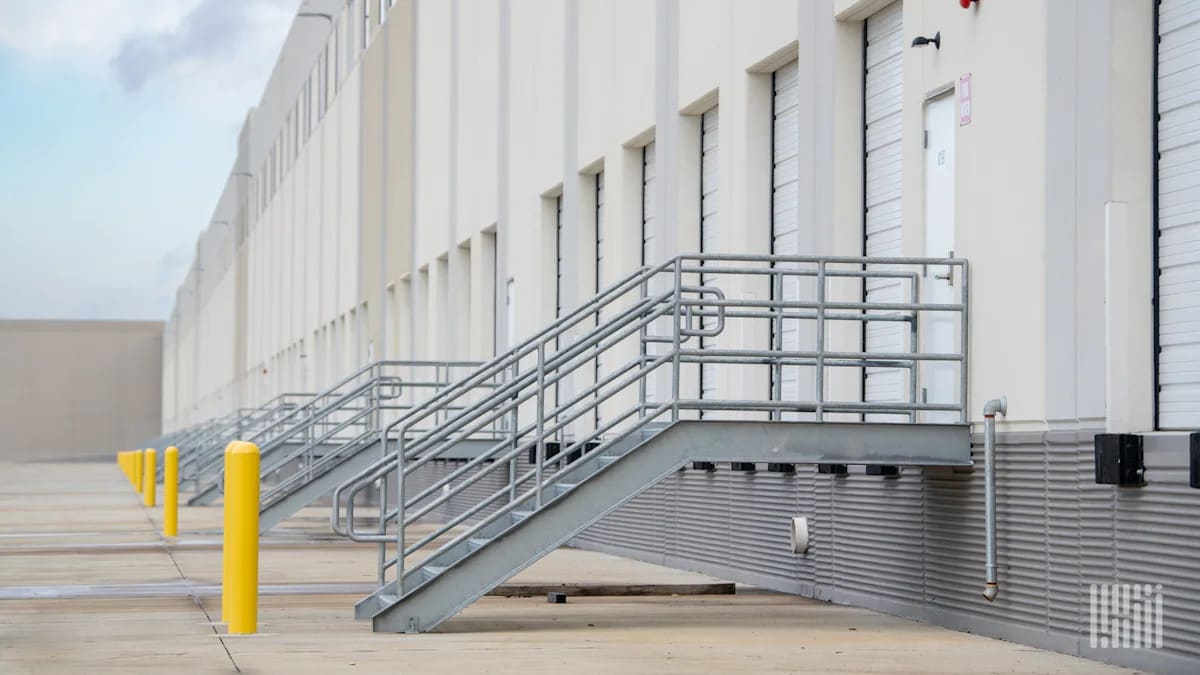
Prologis has seen its third takeover bid for London-based Segro rejected despite an enhanced $18.2 billion offer. The proposal included a cash component and a 41% premium, but Segro remains resistant to the acquisition.
The Battle for Logistics Supremacy: Prologis and Segro
The Failed Acquisition Attempt
In a significant development within the global real estate sector, San Francisco-based logistics giant Prologis has confirmed that its latest, enhanced takeover bid for London-based warehouse operator Segro has been rejected. The third offer, valued at approximately £13.5 billion ($18.2 billion), represented a strategic escalation in Prologis' attempts to consolidate its position in the European logistics market. Despite the substantial valuation, which reflected a 6% increase over previous proposals, the Segro board opted to maintain its independent path.
Financial Structure and Valuation Strategy
Unlike the previous two iterations, which were structured exclusively as all-stock deals, this latest offer introduced a 20% cash component alongside a stock-swap ratio of 0.089 Prologis shares for each Segro share held. The offer represented a 41% premium over Segro’s three-month weighted average share price, signaling an aggressive attempt by Prologis to overcome shareholder hesitation. By offering a liquidity option, Prologis aimed to mitigate risks associated with equity-only deals while attempting to capture the value currently locked within Segro’s extensive portfolio.
Strategic Rationale and Market Positioning
From the perspective of Prologis, the acquisition is framed as a synergistic opportunity. The company argues that a combined entity would grant Segro access to a significantly larger logistics real estate network and, crucially, a lower cost of capital. Prologis has long maintained that Segro’s current market valuation does not fully reflect its asset potential, specifically pointing to the dilutive effects of Segro’s existing capital requirements. By absorbing these assets, Prologis believes it can optimize operational efficiencies across the continent.
The Structural Disconnect
At the heart of this resistance is a fundamental disagreement regarding valuation and future growth trajectories. Prologis’ persistent focus on Segro highlights the high demand for prime logistics real estate in the wake of e-commerce expansion. However, Segro’s rejection suggests that its board and shareholders view the current offer as insufficient to compensate for the long-term potential of their specific property holdings. The disparity between the offered premium and the target's internal valuation remains the primary hurdle for any potential future negotiations.
Broader Market Implications
This failed bid underscores the ongoing trend of consolidation within the industrial real estate sector. As global supply chains face increasing pressures, logistics operators are looking to scale rapidly to improve margins and service capabilities. The rejection of an $18.2 billion offer is a testament to the high confidence that European logistics firms have in their own market resilience. This event will likely serve as a benchmark for future M&A activity, forcing other industry players to reassess their own valuation models in a high-demand environment.
Future Outlook
Moving forward, the industry will be watching to see if Prologis returns with a fourth offer or if they pivot to alternative growth strategies. Given the scale of the logistics sector and the limited availability of high-quality, centrally located warehouse assets, the pressure for consolidation remains high. Whether Segro continues to defend its independence or eventually succumbs to a sweetened bid will depend heavily on market performance and the ability of the management team to prove that their standalone strategy delivers superior value compared to the premium offered by Prologis.