Watch: Protest outside London Indian restaurant over refusal to serve halal food
Source Entity
VIVEK DUBEY
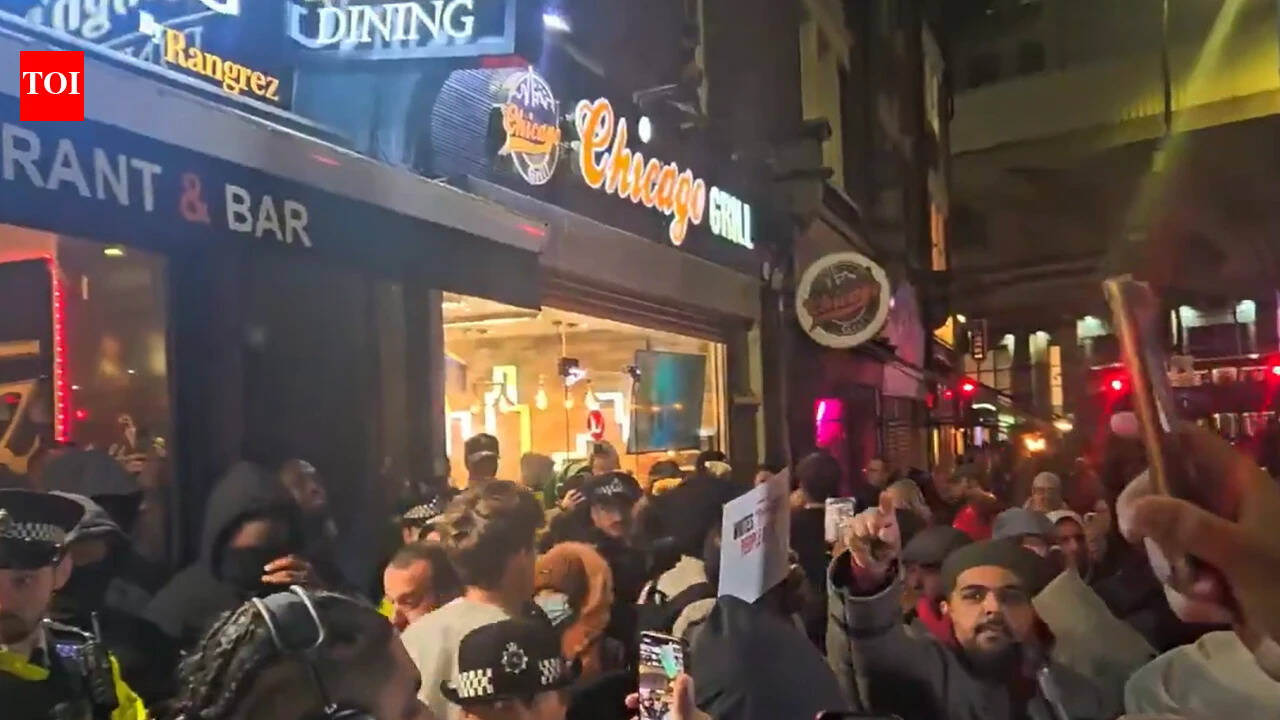
A protest occurred outside a London-based Indian restaurant following the establishment's refusal to serve halal-certified food. The incident highlights ongoing tensions regarding dietary requirements and service policies in multicultural urban environments.
Tensions Erupt Over Dietary Policies in London
A recent protest outside an Indian restaurant in London has drawn attention to the complex intersection of business autonomy, cultural identity, and dietary requirements. The demonstration was reportedly triggered by the establishment's explicit refusal to serve halal food, a decision that sparked immediate public backlash. This incident serves as a microcosm of the broader challenges faced by multicultural urban centers when private business policies clash with the diverse needs of their surrounding communities.
The Intersection of Business and Belief
At the core of this dispute is the fundamental tension between a business owner's right to determine their menu and the expectations of a diverse consumer base. In a city like London, where culinary diversity is a hallmark of the cultural landscape, the decision to exclude specific dietary certifications like halal is often viewed by community members as an exclusionary act. While restaurateurs maintain the right to curate their offerings based on operational or ideological preferences, such decisions frequently invite public scrutiny when they impact the accessibility of services for specific religious groups.
Historical Context of Culinary Integration
London has long been a hub for global cuisine, particularly Indian gastronomy, which has become deeply embedded in the British identity. Historically, the evolution of these restaurants has involved adapting to local tastes while maintaining authenticity. However, the requirement for halal certification introduces a layer of religious observance that has become standard in many global food service models. When a restaurant deviates from these expectations in a high-density, diverse demographic, the resulting friction often manifests as public protest, reflecting deeper societal debates about integration and religious accommodation.
Broader Implications for the Hospitality Sector
This incident highlights the growing necessity for businesses to navigate the delicate balance of cultural sensitivity and operational freedom. For the hospitality industry, the challenge lies in effectively communicating service policies to avoid misunderstandings that can escalate into public confrontations. The protest serves as a reminder that in an interconnected society, the choice of ingredients and certification standards is rarely just a commercial decision; it is a statement that resonates with the community at large.
Future Trends in Urban Dining
Looking forward, we can expect a continued emphasis on transparency regarding food sourcing and preparation standards. As consumer awareness grows, businesses will likely face increased pressure to align their practices with the diverse needs of their clientele to maintain market share. This incident underscores a shift where dietary preferences are no longer merely personal choices but are increasingly viewed as matters of social equity, suggesting that future urban dining trends will favor inclusivity and clear communication to mitigate potential conflicts.