Rains fuel dengue surge: Pune city records 560 suspected cases, 212 in July alone
Source Entity
Latest News: Todays Latest News Headlines from India & World | Hindustan Times | Hindustan Times
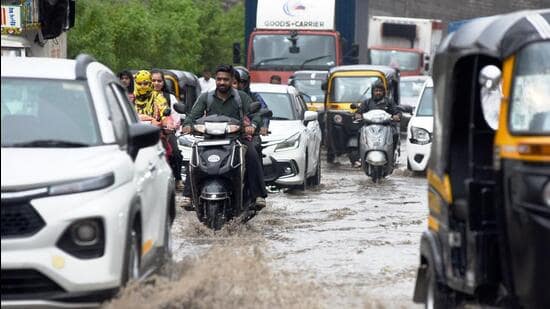
Pune is experiencing a significant surge in dengue cases, with 560 suspected infections reported this year due to monsoon-driven mosquito breeding. Health officials warn of a potential spike in the coming two weeks and urge heightened public vigilance.
Monsoon Rains Trigger Dengue Surge in Pune
The city of Pune is currently grappling with a concerning rise in vector-borne diseases, directly correlated with the ongoing monsoon season. According to the latest data from the Pune Municipal Corporation (PMC), the city has recorded 560 suspected dengue cases thus far this year. The intensity of this outbreak is underscored by the figures from July, which saw 212 suspected cases—the highest monthly count recorded in 2024 to date.
The Environmental Catalyst
Public health experts identify the heavy and persistent rainfall as the primary driver behind this epidemiological shift. The monsoon has created stagnant water pools across urban and peri-urban areas, providing the perfect breeding ground for Aedes aegypti mosquitoes. As these environmental conditions persist, the PMC has documented 22 laboratory-confirmed cases via the National Institute of Virology, alongside seven reported cases of chikungunya, indicating a broader circulation of vector-borne pathogens.
Short-Term Projections and Clinical Warnings
Medical professionals in the region have issued a stern warning that the current trajectory may worsen. They anticipate that the city could witness a further spike in infections over the next 10 to 15 days. This prediction is based on the incubation period of the virus and the lifecycle of the mosquito, which thrives in the immediate aftermath of heavy precipitation. The lag between the rainfall events and the clinical presentation of symptoms suggests that the peak of this surge has yet to be reached.
Public Health Implications and Urban Management
This surge poses a significant challenge for the local healthcare infrastructure. The rapid increase in suspected cases necessitates not only clinical preparedness but also aggressive vector control measures. The PMC’s role in monitoring these trends is critical, as the data serves as a barometer for the efficacy of current sanitation and drainage management efforts in the city.
Strategic Response and Future Outlook
To mitigate the risk of a widespread epidemic, local authorities must focus on source reduction—the elimination of stagnant water—and public awareness campaigns. As Pune moves deeper into the monsoon season, the intersection of urban density and favorable climate conditions for mosquitoes requires a sustained, multi-pronged approach to public health. The coming two weeks will be a crucial period for containment efforts as the city works to flatten the transmission curve of dengue and chikungunya.
Verification Required?