Pune police initiate process to file 116 cases over noise pollution violations
Source Entity
Latest News: Todays Latest News Headlines from India & World | Hindustan Times | Hindustan Times
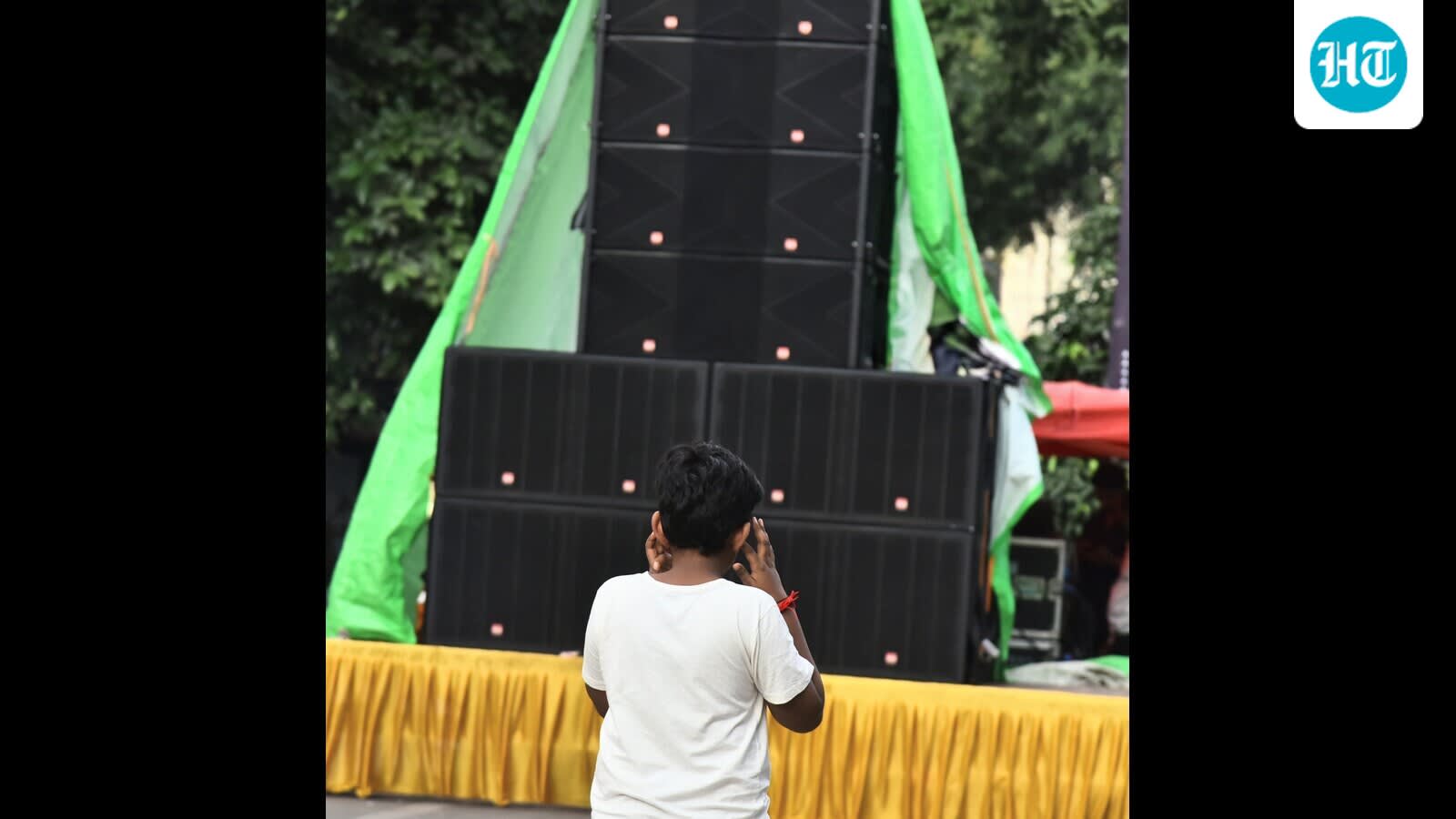
Pune police have initiated legal action against 130 mandals and filed 11 cases for noise pollution violations during Dahi Handi celebrations. Authorities seized 18 sound systems, with Zone 1 reporting the highest number of infractions.
Pune Police Crack Down on Noise Pollution During Dahi Handi
The Pune city police have taken decisive action in the wake of recent Dahi Handi celebrations, initiating legal proceedings against 130 mandals for violating prescribed noise pollution limits. By filing 11 initial cases and moving to process the remainder, the authorities are signaling a shift toward stricter regulatory enforcement during public festivals. This move highlights a growing conflict between traditional celebratory practices and the mandate to maintain public order and environmental standards.
Enforcement Strategy and Data Breakdown
According to official data released by the Pune city police, the enforcement efforts were widespread, yet concentrated in specific urban pockets. Zone 1 recorded the highest density of violations, with 55 instances reported. This area, which encompasses sensitive localities such as Faraskhana and Khad, appears to have been a focal point for the authorities' monitoring efforts. The seizure of 18 sound systems by police personnel serves as a direct intervention intended to curb the use of high-decibel equipment that exceeds legal acoustic thresholds.
The Role of Regulatory Oversight
Prashant Amrutkar, DCP of the Special Branch, confirmed that legal proceedings are currently underway for all identified violations. The police department's systematic approach—transitioning from on-the-ground monitoring to formal case registration—reflects a broader effort to standardize compliance during large-scale public gatherings. By targeting the mandals responsible for these celebrations, the police are placing the onus of legal adherence directly on the organizers of these events.
Broader Implications for Public Festivities
This crackdown underscores a recurring tension in Indian metropolitan centers where cultural festivities often clash with noise pollution regulations. While Dahi Handi is a deeply rooted tradition, the escalation of sound technology has necessitated increased police scrutiny. The ongoing process against 130 mandals suggests that the authorities are prioritizing public health and environmental noise mitigation over traditional celebratory norms, potentially setting a precedent for future festivals in Pune.
Future Trends in Urban Governance
Looking ahead, this development suggests that Pune's law enforcement will likely continue to utilize data-driven monitoring to manage public events. By identifying "hot zones" like Zone 1, police can more effectively allocate resources to prevent future infractions. The success of these measures will depend on the sustained enforcement of noise limits and the willingness of community organizations to adapt their celebratory practices to comply with established legal standards.
Verification Required?