CM Yogi announces honorarium hike, cashless health cover for anganwadi workers, helpers
Source Entity
Latest News: Todays Latest News Headlines from India & World | Hindustan Times | Hindustan Times
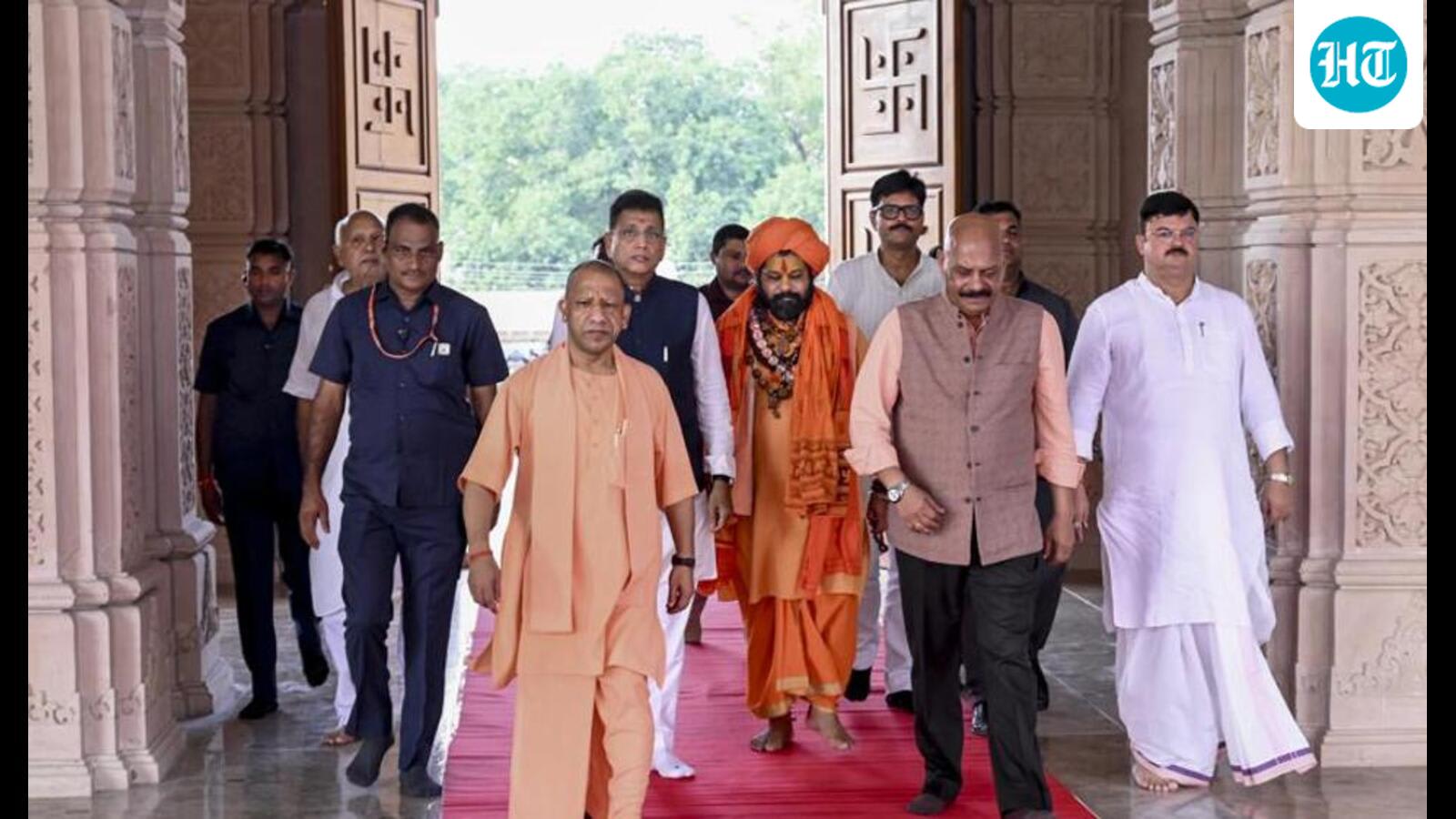
Uttar Pradesh CM Yogi Adityanath has announced a 50% honorarium hike for anganwadi workers and helpers, alongside a new ₹5 lakh annual cashless health insurance scheme. These measures aim to empower the state's 2.91 lakh frontline workers ahead of the 'Poshan Maah' initiative.
Strengthening the Grassroots: UP’s New Welfare Measures for Anganwadi Workers
In a significant move aimed at bolstering the socio-economic status of frontline health personnel, Uttar Pradesh Chief Minister Yogi Adityanath announced a substantial increase in honorarium and new medical benefits for anganwadi workers and helpers. The announcement, made during a visit to Ayodhya, targets the state's 2.91 lakh workers, acknowledging their critical role in the state's nutritional and developmental infrastructure.
Financial Empowerment and Honorarium Adjustments
The core of the announcement involves a 50% increase in monthly compensation. Anganwadi workers, who previously received ₹8,000, will now see their monthly honorarium rise to ₹12,000. Similarly, helpers will see their compensation grow from ₹4,000 to ₹6,000 per month. This financial adjustment is designed to provide immediate relief and long-term stability to those who serve as the primary interface between the government’s welfare schemes and the rural population.
Comprehensive Health Security
Beyond basic pay, the state government has introduced a robust health welfare measure: a ₹5 lakh annual cashless health insurance cover for both the workers and their families. This coverage is applicable at empanelled government hospitals and medical colleges, addressing a long-standing demand for better healthcare access for those who work tirelessly to ensure the health of women and children in the state.
Driving Digital Transformation
The initiative also emphasizes the modernization of anganwadi centers. By providing smartphones and integrating real-time data collection, the government aims to transition these centers into 'smart' hubs. This move is expected to streamline the monitoring of nutritional programs, ensuring that the government’s policy goals—often highlighted during events like 'Poshan Maah'—are met with greater efficiency and transparency.
Broader Implications for Social Welfare
These policy changes serve as a strategic investment in the Integrated Child Development Services (ICDS) framework. By prioritizing the welfare of the workforce, the state is effectively strengthening its ability to deliver maternal and child health services. The timing of the announcement, coinciding with the approach of 'Poshan Maah', underscores the government's commitment to prioritizing nutritional outcomes through better-supported human resources.
Conclusion and Future Trends
The initiative by the Uttar Pradesh government reflects a trend toward professionalizing and securing the livelihoods of community-level workers. As the government continues to integrate digital tools like smartphones into the daily operations of these centers, the state is likely to see improved data accuracy and more targeted service delivery. This holistic approach of increasing financial incentives while providing medical security sets a precedent for future public sector welfare initiatives in India.
Multiple Citing Sources
Verification Required?