Son of a farm worker, this Pune startup founder does not want villagers to migrate
Source Entity
Dipanita Nath
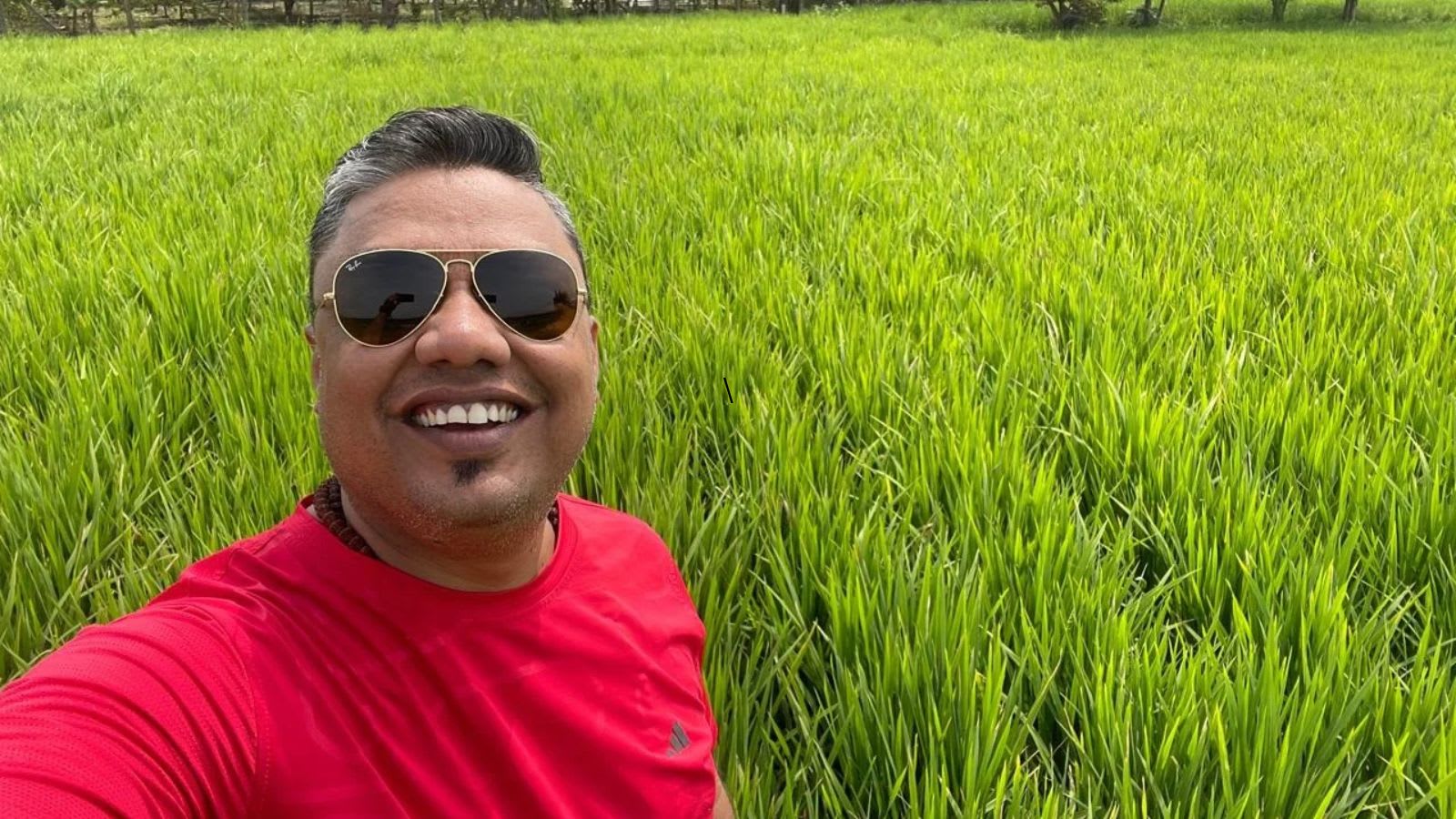
Pune-based entrepreneur Vishnu Dhas has launched TractorNext, a startup aimed at helping farmers make informed decisions about agricultural equipment. By curbing unnecessary spending on machinery, the venture seeks to reduce the economic pressures that force rural families to migrate.
Addressing Rural Migration Through Agricultural Reform
Vishnu Dhas, the founder of the newly inaugurated startup TractorNext, has launched a mission to address the systemic economic vulnerabilities that force rural families to migrate. Born in a Pune slum after his parents were displaced from their village in Barshi taluka due to the severe droughts of the 1980s, Dhas’s entrepreneurial journey is deeply rooted in personal history. His initiative seeks to answer the fundamental question: How can agricultural families sustain their livelihoods without abandoning their ancestral homes?
The Historical Context of Drought and Displacement
The narrative of Dhas’s family is emblematic of the broader struggle in Maharashtra. The catastrophic drought of 1972 left a lasting scar on the region, forcing families into a decade-long struggle for survival. When subsequent droughts hit in the 1980s, the lack of sustainable local economic infrastructure forced a mass exodus of farm laborers, including Dhas’s parents, toward urban centers. This cycle of climate-induced displacement has historically eroded the agricultural backbone of the state, turning self-sufficient farmers into urban slum dwellers.
Disrupting the Equipment Purchase Cycle
On October 25, Dhas inaugurated TractorNext, a platform designed to change how farmers interact with agricultural technology. A major challenge in rural economies is the tendency for farmers to purchase expensive machinery—such as tractors, bulldozers, or agricultural drones—based on aggressive marketing or the 'neighbor effect,' where farmers buy equipment simply because others in the village have done so. This often leads to crippling debt and financial instability, as the equipment remains underutilized or mismatched to the farm's actual needs.
Empowering Informed Decision-Making
TractorNext functions as a bridge between technology and utility. By advising farmers on what equipment is genuinely necessary for their specific land size, crop types, and financial capacity, the startup prevents the accumulation of unproductive debt. This approach acts as a buffer against the economic shocks that traditionally cause rural families to abandon their farms in favor of low-wage urban labor.
Future Trends in Rural Entrepreneurship
As Maharashtra continues to confront recurring climate challenges, the model proposed by TractorNext highlights a shift toward 'rational agriculture.' Future trends suggest that if startups can successfully optimize capital expenditure for smallholder farmers, the rate of rural-to-urban migration may stabilize. By keeping the economic focus within the village, Dhas is attempting to break a multi-generational cycle of poverty that began with the droughts of the 1970s and 80s.
Conclusion
Vishnu Dhas’s journey from a slum-born child of displaced laborers to a business founder is a testament to the power of localized solutions. TractorNext is not merely a business venture; it is a socio-economic intervention designed to preserve the agricultural integrity of Maharashtra’s villages by ensuring that farmers can afford to stay on their land.