Incessant rain cripples Pune traffic, peak-hour commuters stranded in citywide snarls
Source Entity
The Indian Express
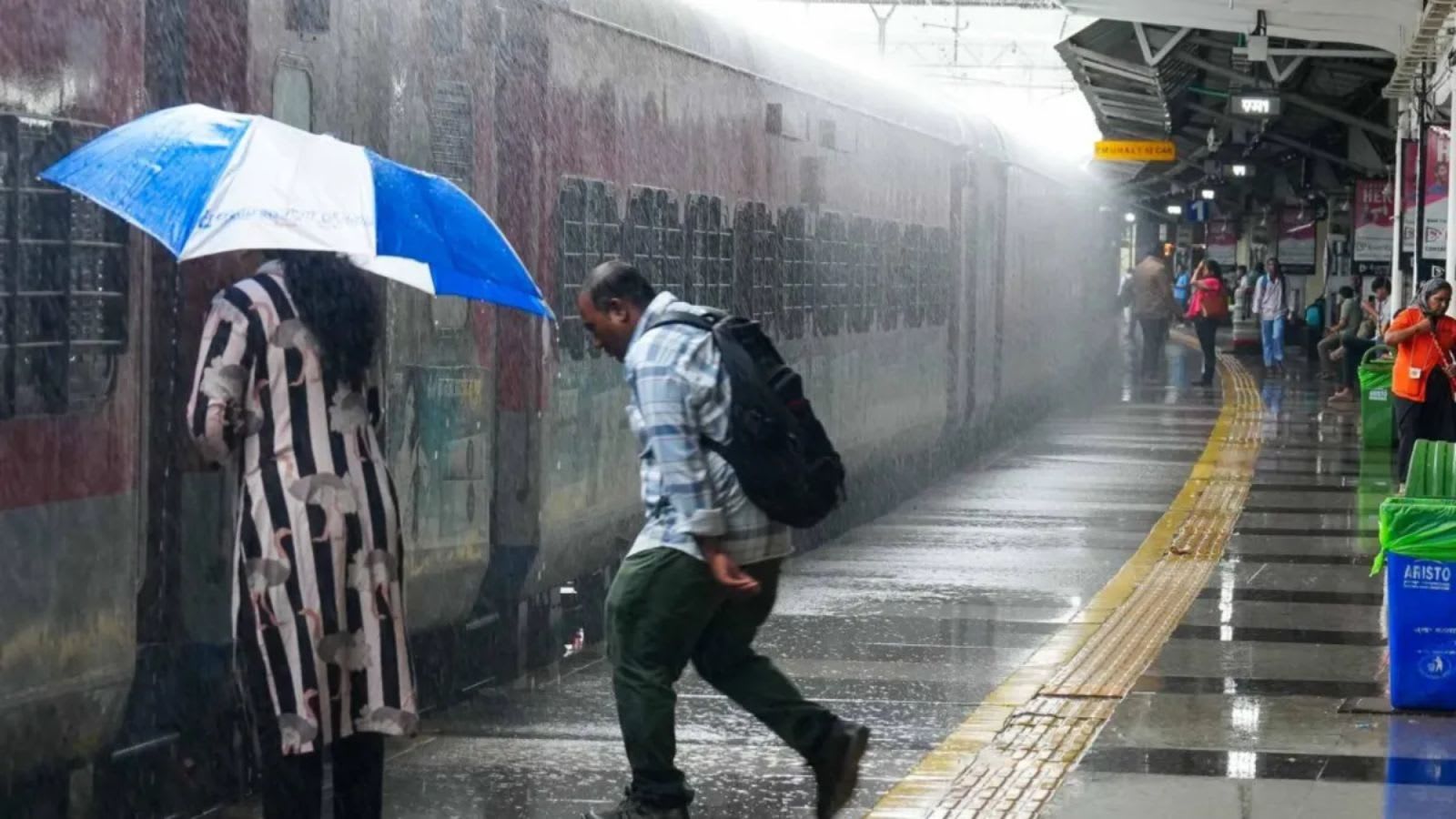
Pune faced severe traffic paralysis on Thursday due to a combination of heavy rainfall and a protest march organized by the Vanchit Bahujan Aghadi. Commuters experienced significant delays as waterlogging and pre-planned traffic diversions caused citywide congestion.
Pune Faces Dual Crisis: Rainfall and Protests Paralyze City Traffic
On Thursday, the city of Pune experienced a significant logistical breakdown as a combination of natural weather patterns and organized political demonstrations converged to cripple the local transport network. Incessant rainfall, which has become a recurring challenge for the city's infrastructure, led to widespread waterlogging in low-lying areas. This environmental factor, coupled with the announcement of a protest march by the Vanchit Bahujan Aghadi (VBA), created a 'perfect storm' for commuters.
The Impact of Incessant Rainfall
The heavy downpour throughout the day left major arterial roads, including Ganeshkhind Road, University Circle, and the Katraj–Dehu Road Bypass, in a state of gridlock. Commuters, who typically navigate these routes in 30 to 40 minutes, found themselves stranded for over an hour. The saturation of road surfaces and the resulting slow-moving traffic highlight the vulnerability of Pune’s current drainage and road management systems when faced with extreme weather events.
Political Mobilization and Traffic Diversions
Exacerbating the weather-related delays, the Pune City Traffic Police issued an advisory regarding the 'Maharashtra Bandh' call by the VBA. The protest, organized in support of students in Delhi, required the implementation of temporary traffic diversions throughout the central part of the city. These diversions, while necessary for maintaining public order and facilitating the march, inevitably forced a higher volume of traffic onto already strained secondary routes, leading to cascading congestion across the city.
Infrastructure and Urban Planning Challenges
The simultaneous occurrence of these events underscores a broader challenge for rapidly growing urban centers like Pune. When pre-planned political activity coincides with unpredictable environmental factors, the existing infrastructure often fails to provide sufficient redundancy. Traffic control rooms reported massive snarls in high-density areas like Shivajinagar, Swargate, and the Pune railway station area, illustrating how quickly the city’s mobility can be compromised.
Future Implications and Mitigation
Looking forward, these events serve as a critical case study for urban planners and law enforcement. The reliance on manual traffic management and reactive diversions suggests a need for more robust, technology-driven traffic monitoring systems that can provide real-time, dynamic routing to citizens. Furthermore, the recurring nature of waterlogging during heavy rain suggests that long-term investment in urban drainage infrastructure is essential to prevent such widespread disruption in the future.
Conclusion
Ultimately, Thursday’s events in Pune were a confluence of civic necessity and environmental hardship. While the police attempted to manage the flow of traffic through strategic diversions, the sheer volume of vehicles combined with the physical constraints of waterlogged roads made delays unavoidable. As Pune continues to expand, balancing the right to peaceful protest with the need for functional urban mobility will remain a complex task for city administrators.