Punjab Assembly passes resolutions on river waters, seeks share in Yamuna share, royalty from Rajasthan
Source Entity
The Indian Express
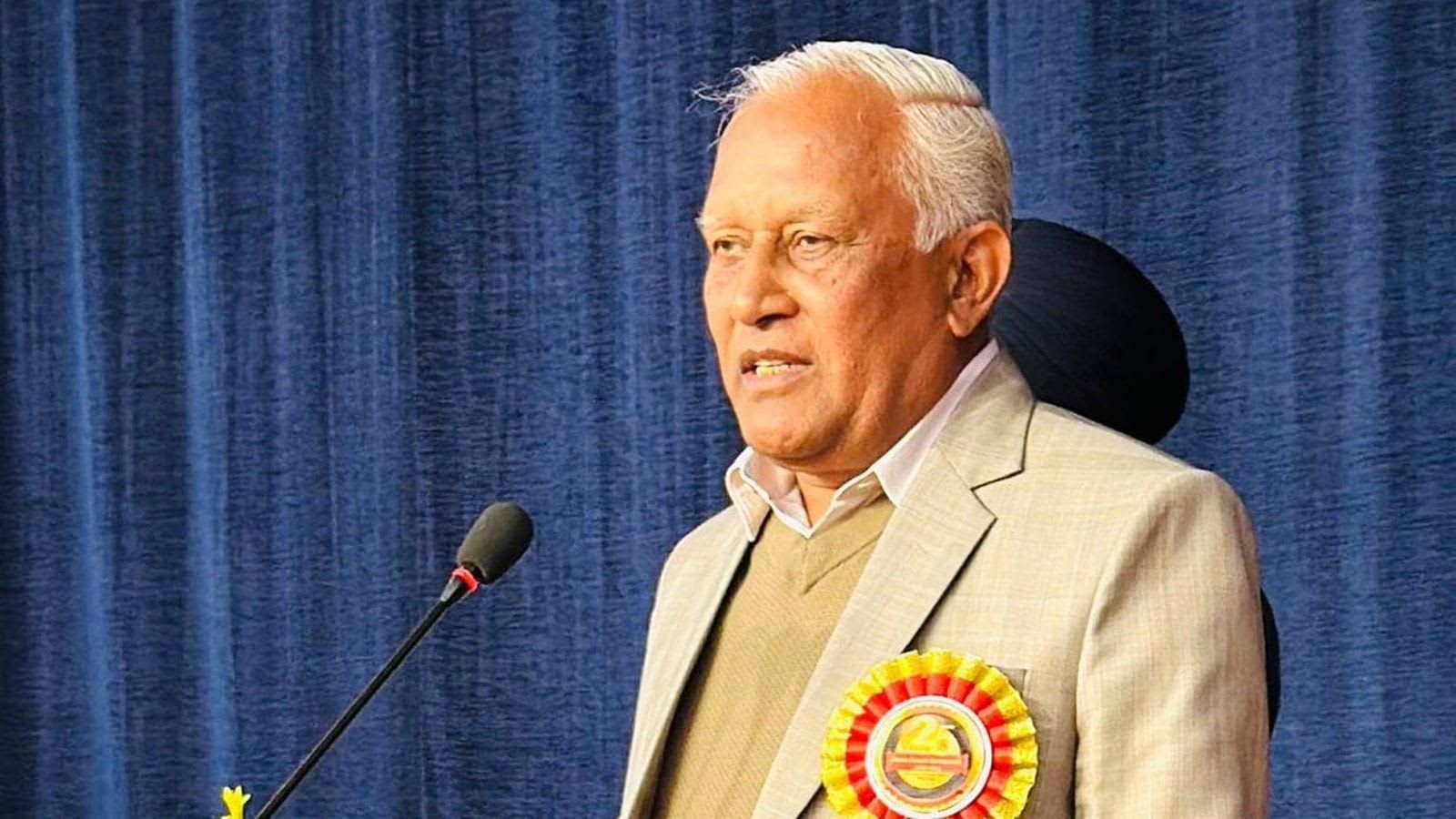
The Punjab Assembly passed multiple resolutions demanding water rights, including a share in Yamuna waters and royalties from Rajasthan. Additionally, the Assembly urged the Centre to reopen the Kartarpur Corridor to restore access for Sikh pilgrims.
Punjab Assembly Assertions: Water Rights and Diplomatic Corridors
In a significant legislative move, the Punjab Vidhan Sabha recently passed a series of resolutions addressing long-standing grievances regarding water resource management and religious connectivity. These resolutions, tabled by Water Resources Minister Barinder Kumar Goyal, reflect a firm stance by the state government against what it perceives as federal overreach and historical inequity in the distribution of river waters. By asserting control over irrigation headworks and demanding payment from Rajasthan, the Assembly is signaling a shift toward a more aggressive protection of its constitutional rights over state subjects.
The Conflict Over River Waters
The core of the legislative action lies in the demand for a share in Yamuna waters and the assertion that Punjab has been systematically treated unfairly in water-sharing arrangements. The state has explicitly called for the repeal of the Dam Safety Act, 2021, arguing that such central mechanisms infringe upon state autonomy. Furthermore, the push to utilize Ravi waters currently flowing into Pakistan highlights a strategic move to optimize local resources, which the state government views as essential for agricultural sustainability and economic stability.
Constitutional and Economic Implications
Chief Minister Bhagwant Mann’s declaration that Punjab will not surrender its rightful share of water underscores the political gravity of these resolutions. By seeking royalties from Rajasthan for water supplied, the state is attempting to formalize its economic claims on natural resources. This legislative push serves as a challenge to existing administrative mechanisms, setting the stage for potential legal and political friction between the state government and the Union government, as water remains a highly contentious subject in Indian federalism.
The Kartarpur Corridor: Faith and Diplomacy
Beyond water disputes, the Assembly also prioritized the reopening of the Kartarpur Sahib corridor. Moved by Education Minister Harjot Bains, the resolution frames the corridor as a vital symbol of Sikh faith and shared heritage. The passage has been closed since May 7, 2025, following the Pahalgam terror attack and subsequent military responses. The resolution urges the Union government to engage with Pakistan to simplify procedures and ensure uninterrupted access for the 'Sangat,' emphasizing that religious sentiment transcends the current geopolitical freeze.
Broader Geopolitical Context
The closure of the Kartarpur corridor represents the intersection of religious freedom and national security. While the Indian government has historically cited security concerns—such as the regional tensions following the recent missile strikes—the Punjab government is prioritizing the socio-religious needs of its constituents. By formally urging the Centre to reopen the route, the Assembly is exerting pressure on federal foreign policy, illustrating the complex balancing act between state-level cultural advocacy and national security mandates.
Conclusive Summary
The Punjab Assembly's recent actions demonstrate a dual-track strategy: asserting economic and resource sovereignty while advocating for the restoration of cross-border religious access. These resolutions highlight the state's intent to reshape its relationship with the Centre regarding water management and diplomatic engagement. The future trajectory of these demands will depend on the Union government's willingness to engage in dialogue, as the issues of water rights and religious corridors remain central to the state's political and social fabric.