Action On Ground Must Match Targets: Pollution Body On Punjab Stubble Burning
Source Entity
NDTV News Search Records Found 1000
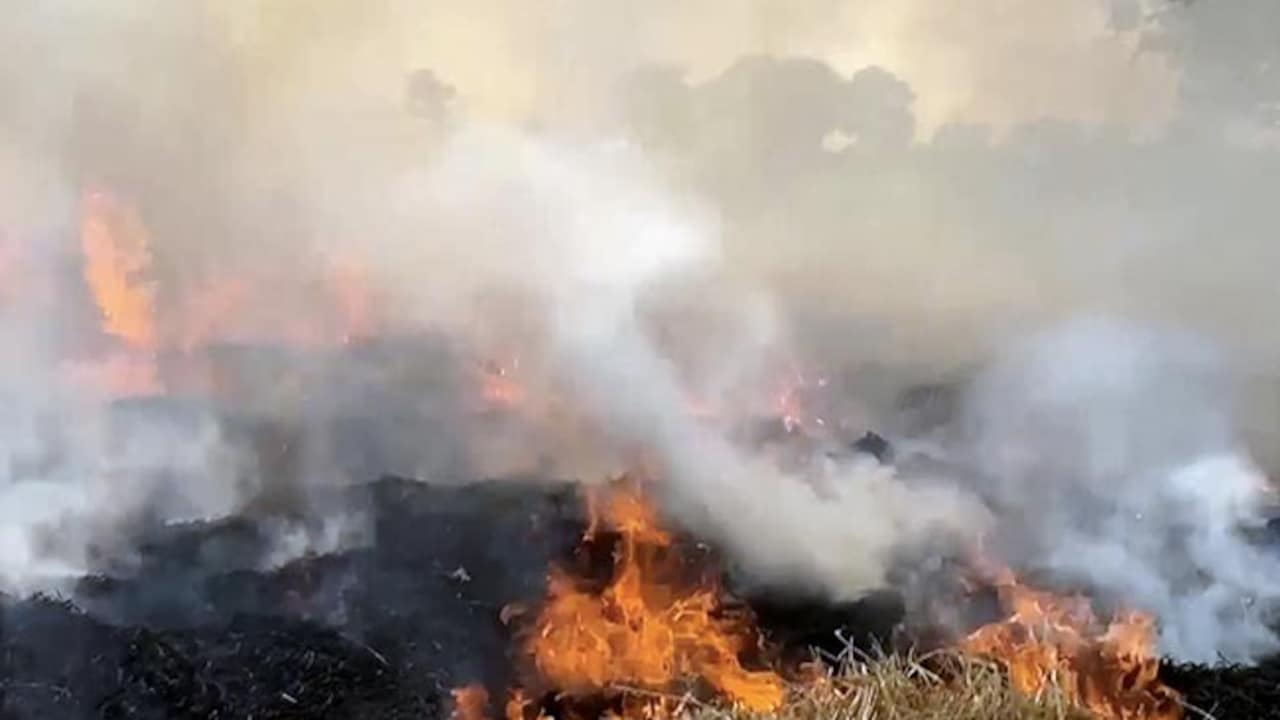
Punjab farmers have committed to officials that they will refrain from burning crop residue. This follows urgent directives from pollution control bodies emphasizing that ground-level action must align with established environmental targets.
Addressing the Stubble Burning Crisis
The ongoing challenge of stubble burning in Punjab remains a critical environmental issue, necessitating a shift from policy rhetoric to tangible field-level execution. Recent reports indicate that farmers have provided formal assurances to officials that they will refrain from burning crop residue, marking a potentially significant step in curbing seasonal air pollution.
The Gap Between Targets and Reality
Historically, the disconnect between government-mandated pollution reduction targets and the practical constraints faced by farmers has been the primary hurdle. While regulatory bodies set ambitious goals to improve air quality, the success of these initiatives rests entirely on the willingness and capacity of the agricultural community to adopt sustainable disposal methods. The recent commitment from farmers suggests a growing awareness of the environmental stakes involved.
Challenges in Sustainable Agriculture
Transitioning away from stubble burning is not merely a matter of compliance but a complex logistical task. Farmers often cite the short turnaround time between the harvest of paddy and the sowing of wheat as a primary driver for burning residue. Without adequate access to machinery like straw management systems or government-backed incentives to offset the costs of alternative disposal, the reliance on burning has persisted for years.
Environmental and Health Implications
The broader implications of this commitment are profound, as the smoke from Punjab’s fields often contributes to severe smog cycles across North India. By adhering to the promise of non-burning, the agricultural sector plays a pivotal role in mitigating the respiratory health risks that plague millions during the winter months. Sustained adherence to these practices could lead to a measurable improvement in regional air quality indices.
Future Outlook and Policy Sustainability
Looking ahead, the success of this initiative will depend on the government's ability to provide consistent support and monitoring. If this assurance is translated into verified field action, it could serve as a model for decentralized environmental management. Future trends suggest that integrating technology, such as satellite monitoring, alongside community-led compliance will be essential to ensure that targets are not just met on paper, but sustained in the environment.
Conclusion
In summary, the assurance provided by Punjab farmers is a necessary prerequisite for cleaner air, but it must be matched by robust ground-level support. As the state moves forward, the synergy between farmer cooperation and policy implementation will determine the longevity of this environmental progress.
Verification Required?