Nepalis top foreign arrests in Panchkula, Nigerians in almost every heroin case
Source Entity
Hina Rohtaki
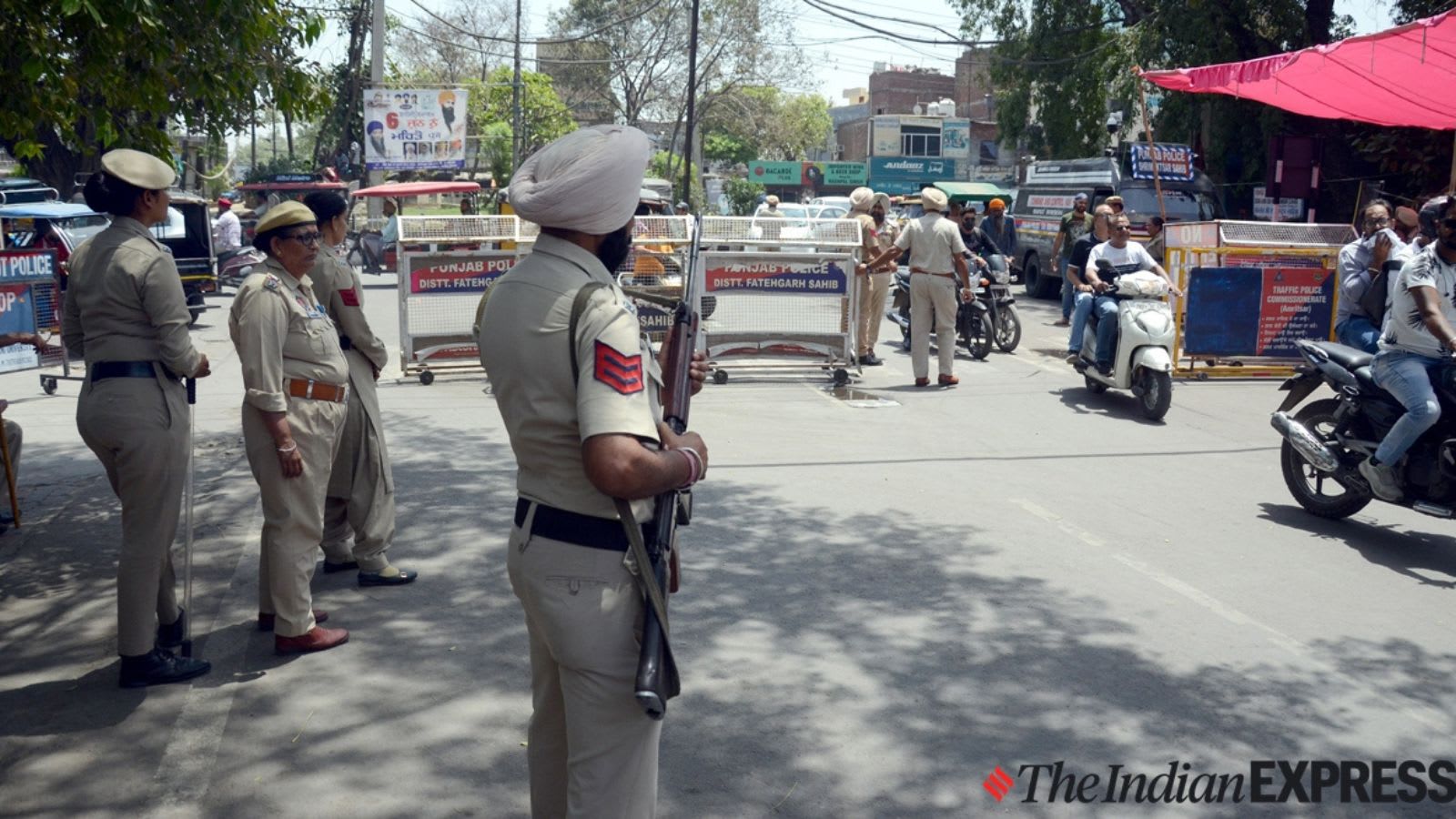
Punjab Police arrested 3,949 individuals, including 42 gangsters and 1,201 drug smugglers, during the 16-day Operation Prahaar-3.0. The intelligence-led drive involved over 5,000 raids aimed at dismantling the state's drug-gangster nexus.
Dismantling the Drug-Gangster Nexus: An Analysis of Operation Prahaar-3.0
In a decisive move to restore law and order, the Punjab Police recently concluded Operation Prahaar-3.0, a high-intensity, 16-day statewide enforcement drive. This operation is a critical component of the broader "Gangstran Te Vaar" campaign, which seeks to systematically eradicate organized crime and the pervasive influence of gangsters within the state. Under the leadership of Director General of Police (DGP) Gaurav Yadav, the operation resulted in the arrest of 3,949 individuals, signaling a zero-tolerance approach toward criminal syndicates.
Strategic Execution and Operational Scale
The scale of Operation Prahaar-3.0 underscores the magnitude of the security challenge facing Punjab. The police deployed a massive force of 10,401 personnel to conduct 5,448 raids. A key highlight of the strategy was its staggered execution; rather than a simultaneous statewide blitz, the police targeted one specific police range or commissionerate each day. This intelligence-led methodology likely served to prevent leaks and ensure that resources were concentrated effectively, maximizing the impact of each raid. The legal weight of these actions is evident in the registration of 958 FIRs, creating a robust judicial trail for the arrested suspects.
Targeting the Organized Crime Ecosystem
Beyond the raw number of arrests, the composition of the detainees reveals a targeted effort to break the "drug-gangster nexus." The operation successfully apprehended 42 gangsters and their associates, alongside 1,201 drug smugglers. The seizure of over 10 kg of heroin further validates the link between organized gang activity and the narcotics trade. By targeting both the leadership (gangsters) and the logistics (smugglers), the Punjab Police are attempting to dismantle the financial and operational infrastructure that allows these criminal networks to thrive.
The Transnational Dimension of Narcotics
While Operation Prahaar-3.0 focused on statewide enforcement, supplementary data from the Panchkula district highlights the international dimensions of the drug trade in the region. Between 2021 and 2026, 26 foreign nationals were arrested in Panchkula, with a staggering 18 of those booked under the Narcotic Drugs and Psychotropic Substances (NDPS) Act. The prevalence of Nepali nationals (17 arrests) and the involvement of Nigerians in heroin cases suggest that Punjab's drug problem is not merely a local issue but is connected to broader international trafficking routes. This adds a layer of complexity to the police's mission, as they must contend with cross-border criminal elements.
Strengthening Public Confidence
DGP Gaurav Yadav emphasized that the operation was not just about arrests, but about strengthening public confidence and increasing police visibility. In regions where gangsterism can lead to a climate of fear and a breakdown of trust in state institutions, the systematic dismantling of syndicates serves as a psychological deterrent. The "Gangstran Te Vaar" campaign's commitment to continue until Punjab is "completely gangster-free" suggests a long-term strategic shift toward proactive policing rather than reactive measures.
Future Outlook and Implications
Looking forward, the success of these raids will depend on the police's ability to maintain pressure on the remaining criminal elements. The transition from short-term operations like Prahaar-3.0 to a sustained state of vigilance will be crucial. If the police can continue to disrupt the financial ties between drug trafficking and gang activity, the state may see a significant decline in organized crime. However, the involvement of foreign nationals indicates that international cooperation and tighter border surveillance will remain essential pillars of Punjab's security strategy.
Summary
Operation Prahaar-3.0 has demonstrated the Punjab Police's capacity for large-scale, intelligence-driven enforcement, resulting in nearly 4,000 arrests and the disruption of significant drug networks. By integrating regional raids with an understanding of transnational trafficking patterns, the state is taking comprehensive steps to eradicate the drug-gangster nexus and restore public safety.
Multiple Citing Sources