‘Arm-twisting won’t be tolerated’: Punjab minister urges power employees to end strike
Source Entity
Raakhi Jagga
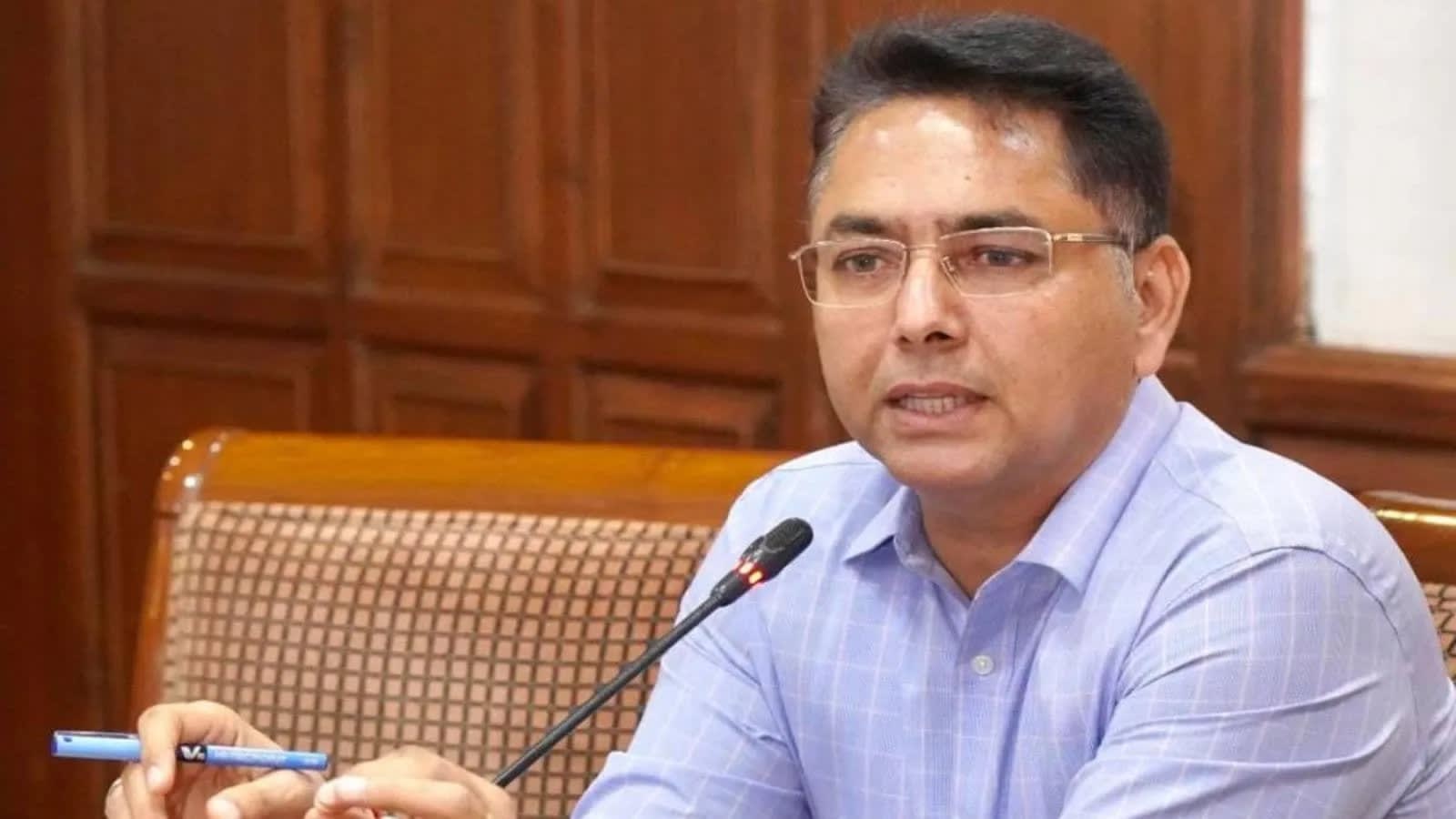
Punjab faces widespread unrest as unemployed youth and power utility workers launch simultaneous protests over unresolved demands. The government is currently struggling to balance administrative order with the essential needs of the public during the critical paddy season.
Escalating Unrest in Punjab: A Multi-Front Challenge
The state of Punjab is currently navigating a period of significant social and administrative turbulence. While high-profile protests in Delhi have subsided, the regional government is grappling with persistent, localized agitations. The current unrest is multifaceted, involving unemployed youth, sanitation workers, and, most critically, employees of the Punjab State Power Corporation Limited (PSPCL). These demonstrations are not isolated incidents but reflect a deepening disconnect between the state’s workforce and the current administration.
The Berozgar Sanjha Morcha and the Sangrur Standoff
At the forefront of these challenges is the Berozgar Sanjha Morcha, an organization representing unemployed youth. Their protest, which has reached a milestone of 214 consecutive days, highlights a long-standing grievance regarding employment opportunities. By marching toward the Chief Minister’s private property in Sangrur, the protesters have moved their agitation to the doorstep of the state's leadership. The heavy police barricading and the subsequent halt of the march underscore the government's firm stance on maintaining public order, even as the protesters continue to demand systemic change.
Power Sector Crisis: The Impact on Agriculture
Simultaneously, the strike by nearly 18,500 PSPCL employees has created a severe bottleneck in state operations. Cabinet Minister Aman Arora has framed the strike as an existential threat to the state’s agricultural backbone, specifically citing the paddy transplantation season. With approximately 90 percent of the workforce participating in the strike, the disruption to electricity services for nearly three crore residents has pushed the government into a defensive position, emphasizing that essential utility services cannot be used as leverage for negotiation.
Governance and Public Hardship
The government’s rhetoric—specifically Minister Arora’s appeal for employees to return to work—highlights the delicate balance required in managing essential services during peak economic cycles. The paddy season is vital to Punjab’s agrarian economy, and any interruption in power supply directly impacts the livelihoods of millions. The administration’s refusal to accept 'arm-twisting' tactics suggests that the government is unwilling to concede to demands while the state is effectively paralyzed by service disruptions.
Broader Implications and Future Trends
These events indicate a period of intense pressure for the Punjab government. The convergence of long-term protests by unemployed youth and the sudden, disruptive strike by power workers suggests that there are significant unresolved structural issues within the state’s labor and employment sectors. Future stability will likely depend on the government's ability to engage in meaningful dialogue with these unions while ensuring that public services—particularly electricity—remain insulated from political or industrial disputes. If these protests continue to escalate, the administration may face increasing public scrutiny regarding its capacity to manage both the welfare of its citizens and the demands of its workforce.