5,000 Stubble Burning Cases Reported In Punjab, Rs 1 Crore Penalty Imposed
Source Entity
NDTV News Search Records Found 1000
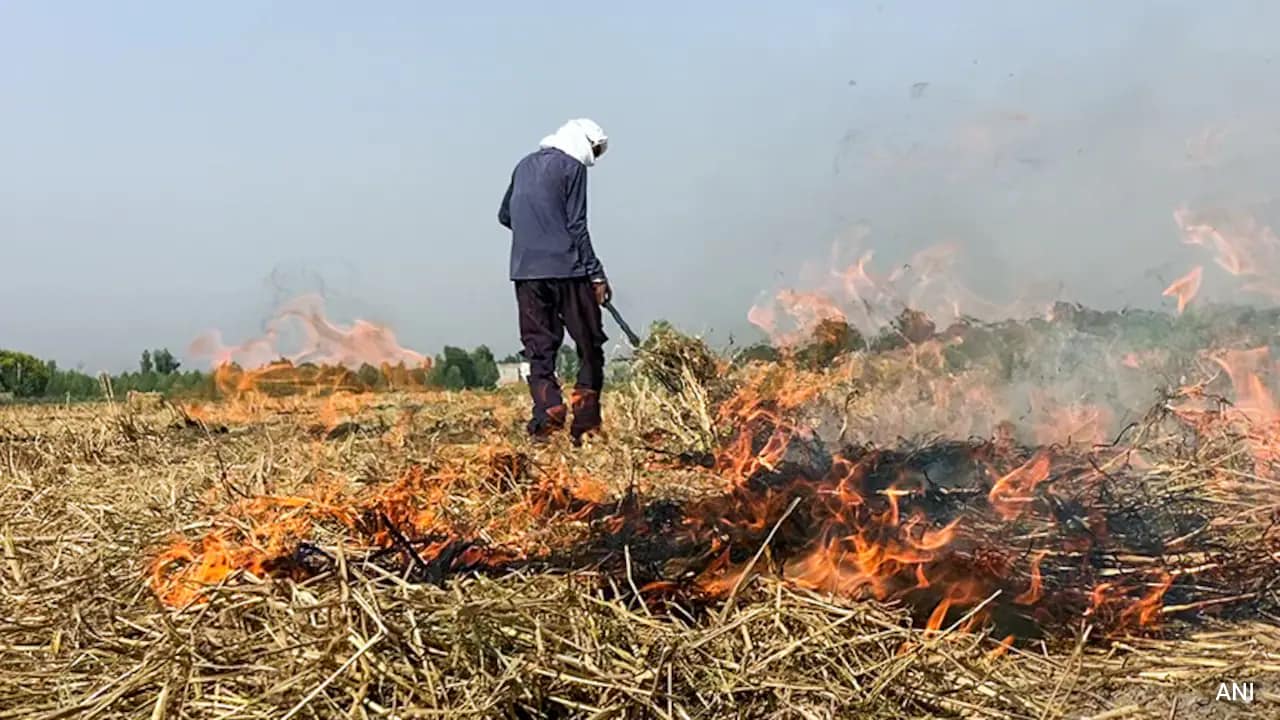
Punjab has recorded 5,000 stubble burning incidents, resulting in Rs 1 crore in penalties. This surge highlights the ongoing environmental challenge of managing agricultural waste in the state.
The Crisis of Stubble Burning in Punjab
Recent data indicates that Punjab has recorded 5,000 cases of stubble burning, a recurring agricultural practice that significantly degrades air quality across Northern India. The imposition of Rs 1 crore in penalties reflects the state's attempt to deter farmers from burning crop residue, yet the sheer volume of incidents underscores the persistent nature of this environmental challenge.
The Economic and Environmental Conflict
At the heart of this issue is the conflict between economic necessity and environmental sustainability. For many farmers, burning paddy straw is the most cost-effective and time-efficient method to clear fields before the sowing of the next wheat crop. The Rs 1 crore penalty serves as a regulatory mechanism, but it often fails to address the root cause—the lack of affordable, accessible, and efficient machinery for in-situ crop residue management.
Scaling the Challenge
With 5,000 reported cases, the scale of the challenge in Punjab is immense. This practice is not merely a local concern; it contributes significantly to the seasonal smog that blankets the Indo-Gangetic Plain. The accumulation of these incidents suggests that current enforcement strategies, while punitive, are struggling to keep pace with the agricultural cycle.
Historical Context and Policy Evolution
Historically, the shift toward intensive rice-wheat cropping cycles in Punjab has exacerbated the stubble burning problem. Policy interventions over the years have shifted from awareness campaigns to strict enforcement and the distribution of subsidized machinery. However, the persistence of 5,000 cases demonstrates that the transition to sustainable farming practices is complex and requires more than just financial penalties.
Future Trends and Sustainable Solutions
Looking ahead, the focus must shift from punitive measures to the commercial viability of crop residue. Future trends suggest a greater need for bio-energy plants, pelletization units, and improved logistical support to collect and transport straw. Without integrated solutions that compensate farmers for the costs associated with non-burning alternatives, the cycle of enforcement and non-compliance is likely to continue.
Conclusion
The 5,000 reported cases serve as a sobering reminder of the environmental stakes. While the Rs 1 crore penalty sends a strong signal regarding state policy, lasting change will rely on bridging the gap between agricultural productivity and ecological health through technological and systemic support.
Verification Required?