Zelenskyy to meet with U.S. envoy as tensions with Trump mount
Source Entity
US Top News and Analysis
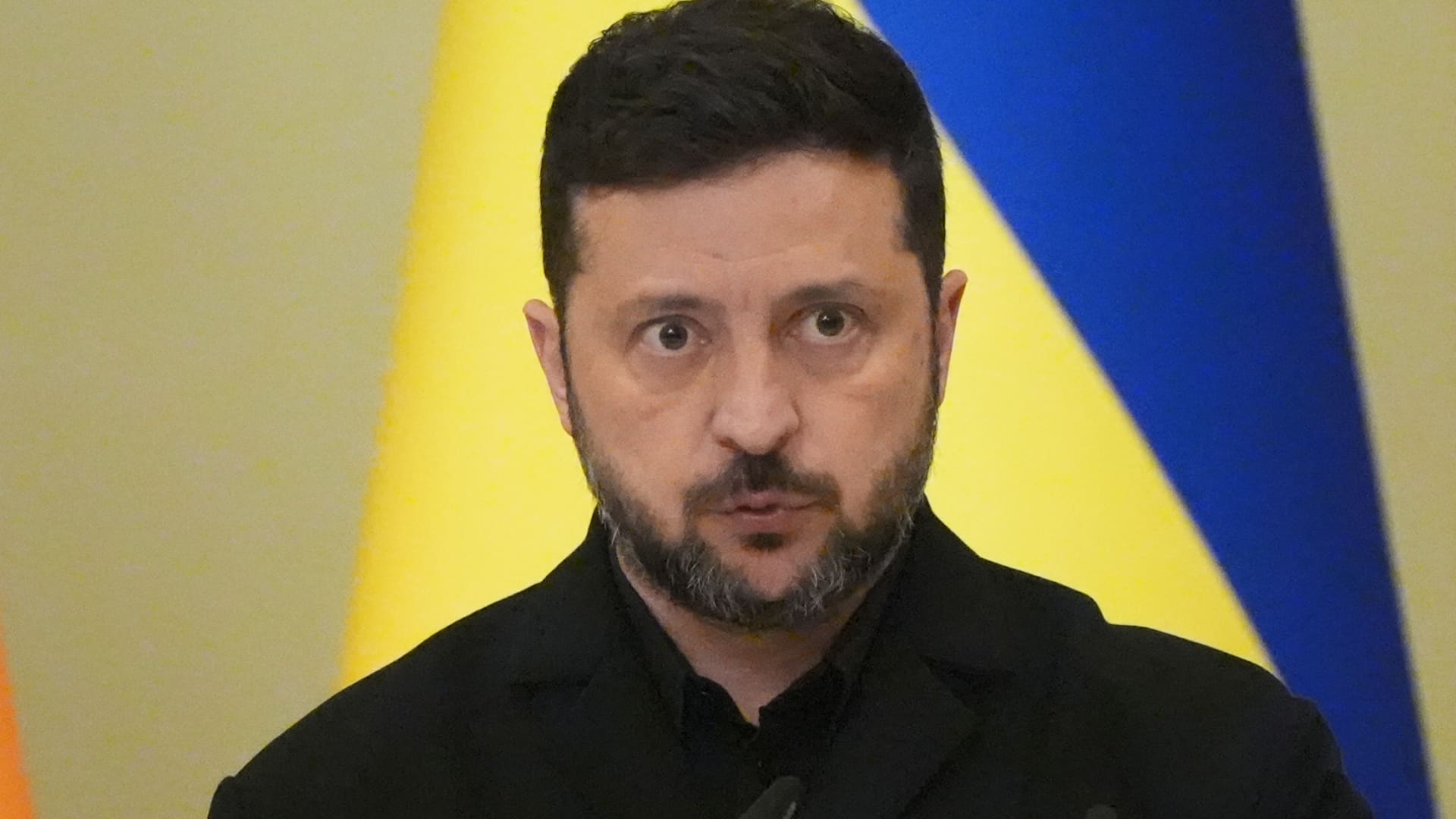
Russian President Vladimir Putin has proposed a high-level summit with U.S. President Donald Trump and Chinese President Xi Jinping to address the Ukraine conflict. President Trump has publicly questioned the current diplomatic approach, suggesting Ukraine may need new negotiators.
The Proposed Trilateral Summit: A New Diplomatic Paradigm
The landscape of the ongoing conflict in Ukraine has shifted significantly following reports of a proposed summit between Russian President Vladimir Putin, U.S. President Donald Trump, and Chinese President Xi Jinping. According to reports citing a former Russian intelligence officer, the proposal surfaced during a high-level phone call on October 9, which also reportedly secured a deal for Moscow to export diesel oil to the global market. This potential meeting, which may occur at the upcoming Asia-Pacific Economic Cooperation (APEC) summit in November, signifies a radical departure from established diplomatic norms regarding the war.
Marginalizing the Ukrainian Perspective
A critical and controversial element of this proposed summit is the explicit exclusion of Ukrainian leadership. By organizing a forum that potentially involves the primary global powers—the United States, Russia, and China—to dictate the fate of Ukraine without the inclusion of President Volodymyr Zelenskyy, the framework risks undermining Ukrainian sovereignty. President Trump’s recent public remarks, in which he suggested that Zelenskyy should employ "somebody else" to negotiate the end of the war, further underscore a growing friction between the current U.S. administration and its Ukrainian counterparts.
The Role of Global Power Dynamics
The inclusion of China’s President Xi Jinping in this proposed trilateral format highlights the evolving nature of global alliances. As Ukraine’s primary military backer, the United States occupies a pivotal role in the conflict, yet the desire to bring China to the table suggests that Russia views the resolution of this war as a matter of broader geopolitical restructuring rather than a bilateral dispute. The Kremlin’s spokesperson, Dmitry Peskov, has confirmed that discussions regarding a potential meeting are underway, lending credence to the reports that this is not merely speculative, but a calculated diplomatic maneuver.
Economic and Strategic Motivations
Beyond the territorial and security implications, the economic dimensions of these discussions cannot be overlooked. The reported agreement for Russia to sell diesel oil on the global market, negotiated in tandem with the summit proposal, indicates that energy security and sanctions-evasion strategies remain central to Moscow's objectives. By linking energy negotiations with high-level peace talks, the Kremlin is attempting to normalize its economic standing even while the military conflict continues.
Future Trends and Diplomatic Challenges
If such a summit proceeds, it will represent a historic realignment of power. However, the exclusion of Ukraine from a decision-making process concerning its own territory faces significant international pushback. The tension between the United States and Ukraine, exacerbated by President Trump’s comments that Russia has been "fine" in its conduct, suggests a potential shift in U.S. policy toward a more isolationist or pragmatism-driven negotiation style. This trajectory indicates that future peace efforts may prioritize grand-power consensus over the specific interests of the nations directly embroiled in the conflict.
Multiple Citing Sources