Retired pilot donates $400,000 to save Neil Armstrong's boyhood home
Source Entity
TOI WORLD DESK
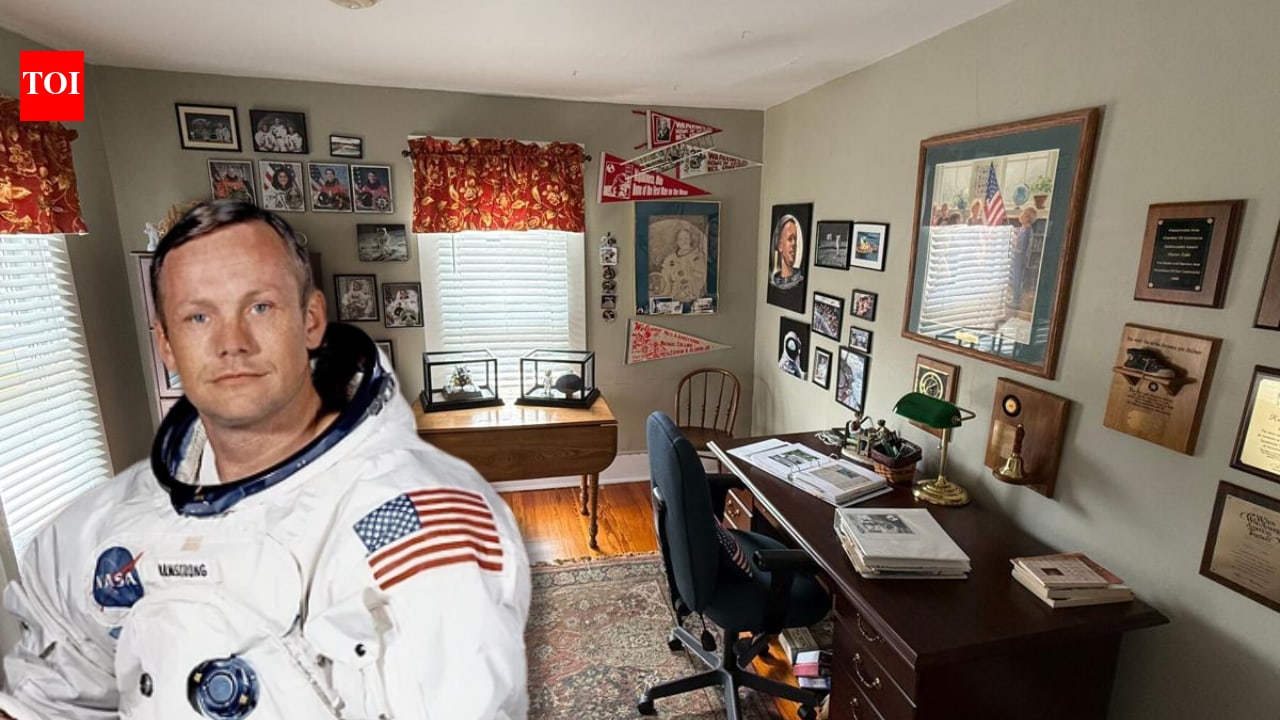
Retired pilot Ken Schreiber has donated $400,000 to preserve the Wapakoneta, Ohio, childhood home of moonwalker Neil Armstrong. The Auglaize County Historical Society plans to restore the property to its 1940s state for public tours by 2030.
Preserving a Legacy: The Restoration of Neil Armstrong's Childhood Home
A Generous Act of Preservation
The recent $400,000 donation by retired pilot Ken Schreiber marks a significant milestone in the effort to preserve American aerospace history. By funding the restoration of Neil Armstrong’s childhood home in Wapakoneta, Ohio, Schreiber has ensured that a physical piece of history—the very place where the first man to walk on the moon once lived—will be shielded from the ravages of time. This contribution is not merely a financial transaction but a profound statement regarding the importance of maintaining historical landmarks that inspire future generations of explorers and dreamers.
Historical Significance of the 1940s Era
The Auglaize County Historical Society has embarked on a meticulous project to restore the house to its original 1940s charm. This era was formative for young Neil Armstrong, who spent his childhood years in this home building model planes and fostering the curiosity that would eventually lead him to the lunar surface. By returning the structure to its 1940s aesthetic, the society aims to provide visitors with an authentic glimpse into the environment that shaped an American icon, moving beyond simple preservation into the realm of immersive historical education.
The Inspiration Behind the Donation
For Ken Schreiber, this project is deeply personal. As a nine-year-old watching the Apollo 11 moon landing in July 1969, Schreiber was profoundly impacted by Armstrong’s achievement. His career as a pilot serves as a testament to the lasting inspiration provided by that historic moment. His decision to donate was driven by a desire to honor the man who changed the course of human history, ensuring that the site where Armstrong’s journey began is accessible to those who wish to understand the roots of his legendary career.
Local and Community Impact
The preservation effort has been met with widespread support from local leaders in Wapakoneta. The former home, already recognized as an Ohio historical landmark, serves as a focal point for the community’s identity. The collaboration between private donors like Schreiber and public historical organizations highlights the success of community-driven heritage conservation. Such efforts reinforce the cultural value of local landmarks and help maintain the connection between small towns and global historic events.
Future Outlook and Public Access
Looking ahead, the project is scheduled to reach its culmination by 2030, when the home will officially open for public tours. This timeline allows for the careful restoration of the bedroom, which currently features a collection of portraits, and other living spaces to ensure historical accuracy. By 2030, the home will serve as a living museum, preserving not just the walls and architecture of the building, but the spirit of innovation and exploration that Neil Armstrong represented to the world. This initiative stands as a clear example of how private philanthropy can successfully bridge the gap between historical memory and modern public accessibility.