Reengineered to win: Inside Sindhu’s radical, data-driven comeback
Source Entity
Latest News: Today's Latest News Headlines from India & World | Hindustan Times | Hindustan Times
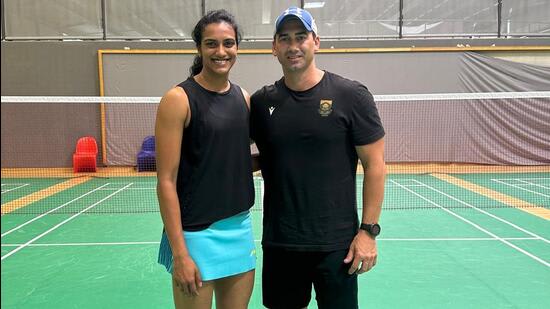
PV Sindhu has made a triumphant return to form at the Japan Open following a data-driven training overhaul led by sports scientist Wayne Lombard. This victory over world champion Akane Yamaguchi signals a successful comeback for the two-time Olympic medalist after a challenging period of injury.
The Resurgence of a Badminton Icon
For nearly two years, the trajectory of PV Sindhu’s career became a subject of intense speculation within the global badminton community. After enduring a persistent foot injury and the subsequent complications that follow any major rehab setback, the two-time Olympic medalist and former world champion faced the daunting reality of a career crossroads at age 31. The whispers regarding whether Sindhu had reached the twilight of her competitive shelf-life grew louder, casting a shadow over one of India's most decorated sporting careers.
The Data-Driven Intervention
However, the narrative shifted dramatically in Tokyo this Sunday. By defeating the reigning world champion and home favorite, Akane Yamaguchi, in straight games to secure the Japan Open title, Sindhu proved that her competitive fire remains undimmed. This victory was not merely a result of raw talent or grit; it was the direct outcome of a radical, data-driven transformation orchestrated by renowned sports scientist Wayne Lombard, who rejoined Sindhu’s training camp last October.
Breaking the Physical Deadlock
When Lombard assessed Sindhu’s condition upon his return, he identified that the athlete had reached a physical dead end. His approach moved away from traditional training methods, favoring a methodology rooted in rigorous data analysis and biomechanical optimization. By addressing the physical limitations imposed by her previous injuries, Lombard was able to reconstruct her training load and court movement, effectively bridging the gap between her current physical state and the demands of modern, high-intensity badminton.
Implications for Modern Badminton
Sindhu’s success highlights a growing trend in elite sports: the reliance on objective, scientific data to extend the longevity of veteran athletes. As players push their bodies to the limit, the margin for error narrows, making the integration of sports science experts like Lombard essential. This approach allows athletes to manage recovery and performance with surgical precision, ensuring that training volumes are optimized rather than simply maximized.
Future Outlook and Legacy
The Japan Open victory serves as a powerful testament to the efficacy of Sindhu’s new training regime. For Sindhu, this win is more than a trophy; it is a validation of the difficult decision to pivot her training philosophy during a period of professional uncertainty. As she moves forward, this data-centric model will likely serve as the blueprint for her future tournaments, potentially setting a new standard for how veteran badminton players maintain dominance in an increasingly young and fast-paced field.
Conclusion
Ultimately, PV Sindhu’s comeback is a compelling case study in the intersection of human perseverance and modern sports science. By embracing a radical, data-driven methodology, she has successfully silenced her critics and reclaimed her status as a formidable force on the world stage. Her performance in Tokyo confirms that with the right analytical support and a disciplined approach to physical rehabilitation, even the most seasoned champions can reinvent their game to remain at the pinnacle of their sport.
Verification Required?