Pyre is a love story. For those from Uttarakhand, it is also the story of our home
Source Entity
Shruti Kapoor
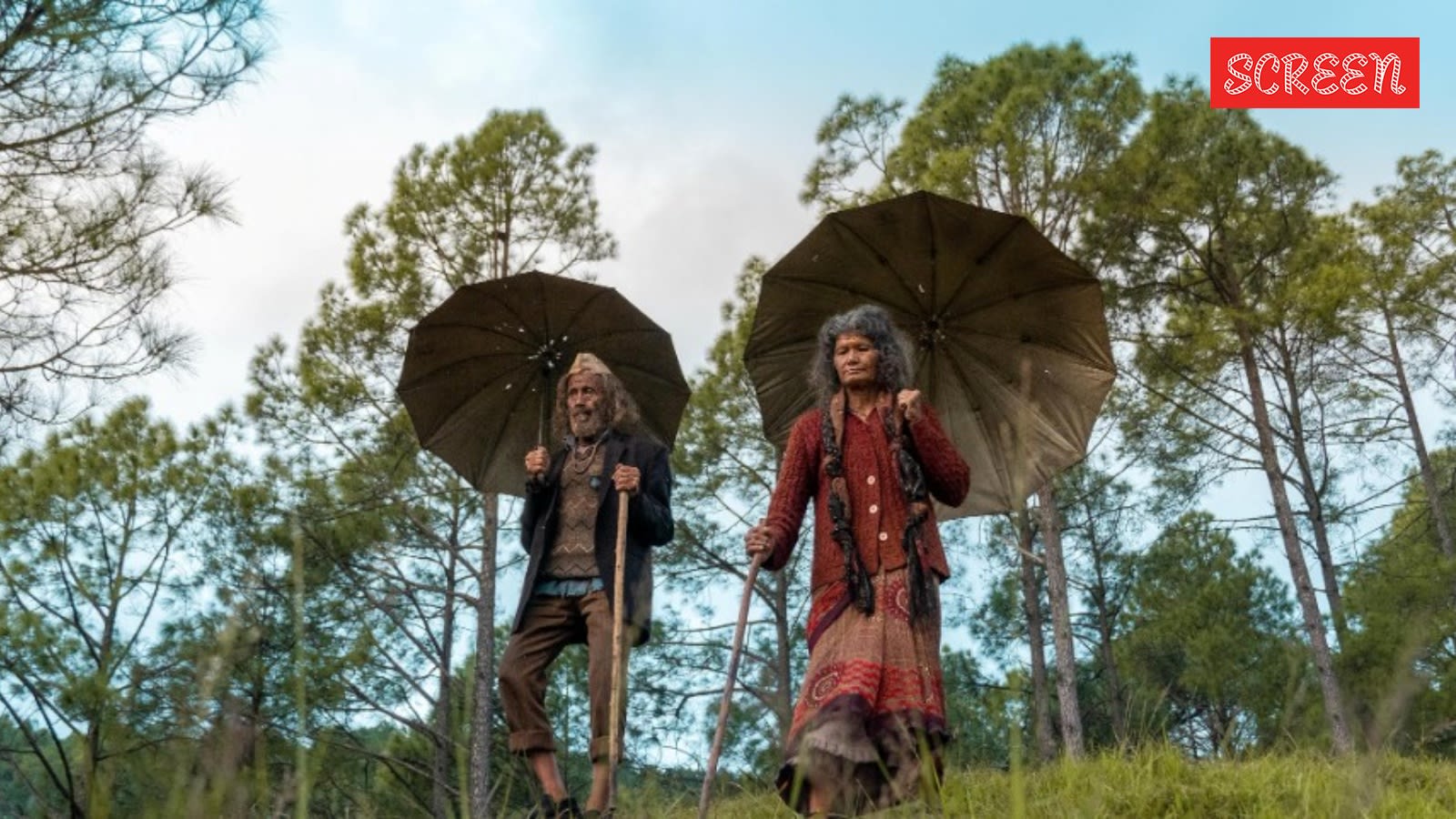
The film 'Pyre' serves as a poignant love story that deeply resonates with the cultural fabric of Uttarakhand. By integrating traditional rituals like Jaagar and local instruments, the movie offers an authentic portrayal of Kumaoni life.
A Cinematic Ode to Uttarakhand: Exploring the Cultural Depth of 'Pyre'
The Authenticity of Representation
At its core, Pyre is more than a narrative of romance; it is a meticulously crafted window into the cultural soul of Uttarakhand. The film opens with a scene that captures the essence of the Himalayan region: Padam Singh, portrayed by Padam Singh Kapri, traverses a mountain path accompanied by his wife, Tulsi, played by Heera Devi. While an external viewer might perceive this simply as an elderly couple walking through the hills, for the people of Uttarakhand, this imagery is deeply evocative, mirroring a lived reality that defines their heritage.
Rituals and Rhythms: The Role of Jaagar
Central to the film’s atmosphere is the inclusion of the Jaagar, a sacred traditional ritual used to invoke the spirits of ancestors and the devi-devta (deities) of the mountains. By incorporating this practice, Pyre elevates itself from a standard drama to a cultural document. The presence of the hudka, the small drum used during these rituals, acts as a rhythmic heartbeat for the film, grounding the characters in a spiritual framework that has sustained Kumaoni communities for generations.
Language and Kinship: Bubu and Aama
Language plays a pivotal role in establishing the intimacy of the film. The characters of Padam and Tulsi are referred to as Bubu and Aama—the Kumaoni terms for grandfather and grandmother. This nomenclature immediately establishes a sense of generational wisdom and familial warmth. It signals to the audience that this is a story not just about two individuals, but about the elders who carry the oral traditions and the collective memory of the mountain villages.
The Soundscape of the Mountains
Beyond the visuals, Pyre utilizes the auditory landscape of the region to maintain viewer engagement. The use of the bhankora, a traditional horn historically associated with worship and community gatherings, signifies moments of high emotional stakes or calls for communal aid. This sonic choice serves to bridge the gap between the film’s narrative tension and the actual cultural practices of the hill districts, reinforcing the film's commitment to regional accuracy.
Bridging Cultural Divides
Ultimately, Pyre functions as a bridge. By featuring songs like “Sarg Tara Junyali Raat,” the film invokes a shared nostalgia that resonates deeply with those from the region while providing an educational, immersive experience for outsiders. The film succeeds by resisting the urge to generalize mountain life, choosing instead to focus on the specific, tactile details of Kumaoni existence. In doing so, it preserves a way of life that is often overlooked in mainstream cinema, ensuring that the spirit of the mountains remains etched in the cinematic record.