Before pen drive, a 2024 complaint: As SIT formed is Veeramani sexual abuse case, more revelations
Source Entity
Arun Janardhanan
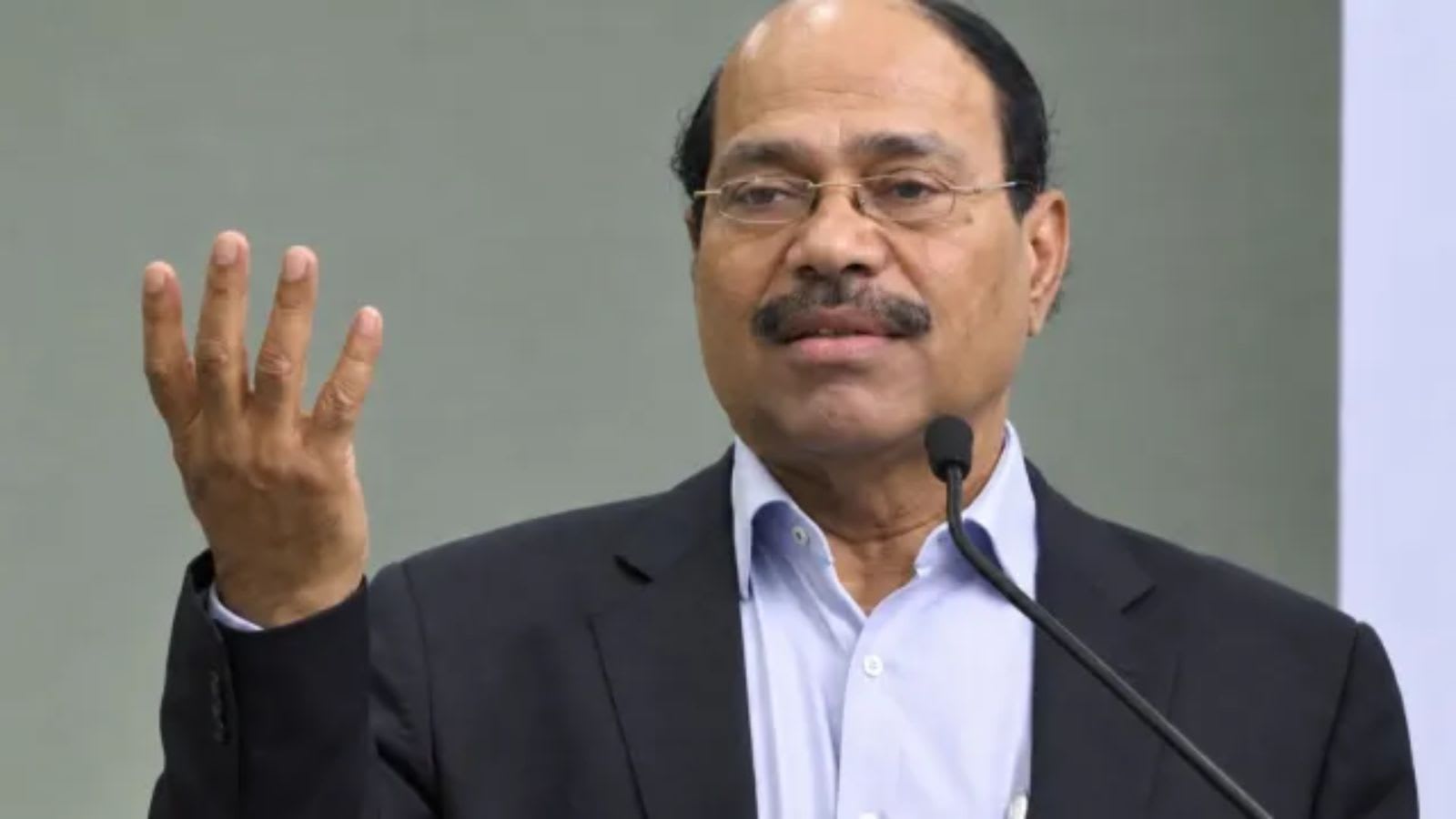
Tamil Nadu authorities have formed a specialized team to investigate serious POCSO allegations against businessman R. Veeramani. Amidst mounting scrutiny, two senior IPS officers were removed from their posts following claims that early complaints regarding the matter were mishandled.
The Expanding Investigation into the Gem Granites Case
Recent developments in Tamil Nadu have brought the high-profile case of R. Veeramani, the octogenarian chairperson of Gem Granites, into sharp focus. Following his arrest on August 29, 2026, on charges involving the sexual abuse of minors under the Protection of Children from Sexual Offences (POCSO) Act, the legal proceedings have intensified. As of late September 2026, the POCSO Special Court in Chennai has extended his judicial custody until October 9, reflecting the gravity of the allegations and the ongoing nature of the investigation.
Formation of a Specialized Investigative Unit
Recognizing the complexity and sensitivity of the case, the Tamil Nadu police have constituted a four-member Special Investigation Team (SIT). Directed by the Director General of Police, the team consists of high-ranking female officers, including Additional Commissioner P.C. Thenmozhi and Joint Commissioner Disha Mittal, operating under the oversight of Chennai Police Commissioner A. Amalraj. The formation of this specific team underscores a strategic move to ensure transparency and focus on "related matters" that have emerged alongside the primary accusations.
Accountability and Administrative Fallout
The investigation has triggered significant administrative consequences within the state police force. On September 24, 2026, the state government ordered the removal of ADGP A. Arun and Coimbatore Police Commissioner N. Kannan from their respective posts, placing them on "compulsory wait." This move is widely interpreted as a direct response to allegations that these officers, who held key positions in the Chennai Police Commissionerate, may have been involved in the mishandling or delayed response to complaints that surfaced as early as November 2024.
Whistleblower Claims and Procedural Delays
Central to the controversy is the testimony of M.P. Ranjan Kumar, the president of the Tamil Nadu Congress Committee’s SC wing. Kumar has publicly alleged that he submitted a formal complaint regarding the predatory behavior of Veeramani nearly two years prior to the current arrests. His detailed account, which involves an objectionable video and a dispute involving Veeramani’s associates, Shanthi and Mahendra Simhan, serves as a catalyst for the current scrutiny into why institutional mechanisms failed to act earlier.
Broader Implications for Justice and Governance
This case highlights systemic challenges regarding the reporting and investigation of sexual abuse involving influential figures. The intersection of corporate power, political associations, and the protection of minors has created a volatile environment. The ongoing custody of Veeramani, along with his associates Ganeshan, Shanthi, and Mahendra Simhan, indicates a deepening probe into a potential network of abuse. The state’s decision to remove senior officers suggests a commitment to addressing potential negligence within the ranks as the SIT begins its work.
Future Trends in the Case
As the SIT digs deeper into the "related matters" mentioned in their mandate, the legal proceedings are likely to become more complex. With judicial custody extended until October 9, the investigation will likely focus on corroborating the timeline provided by whistleblowers and examining the digital evidence that initially prompted the complaint. The public and judicial pressure on this case suggests that it will remain a bellwether for how the Tamil Nadu administration handles accountability in high-stakes cases involving powerful business entities.
Multiple Citing Sources