Rahul Gandhi sits on protest outside Delhi police station: watch why| Pellet gun| CJP Protest
Source Entity
Latest News: Todays Latest News Headlines from India & World | Hindustan Times | Hindustan Times
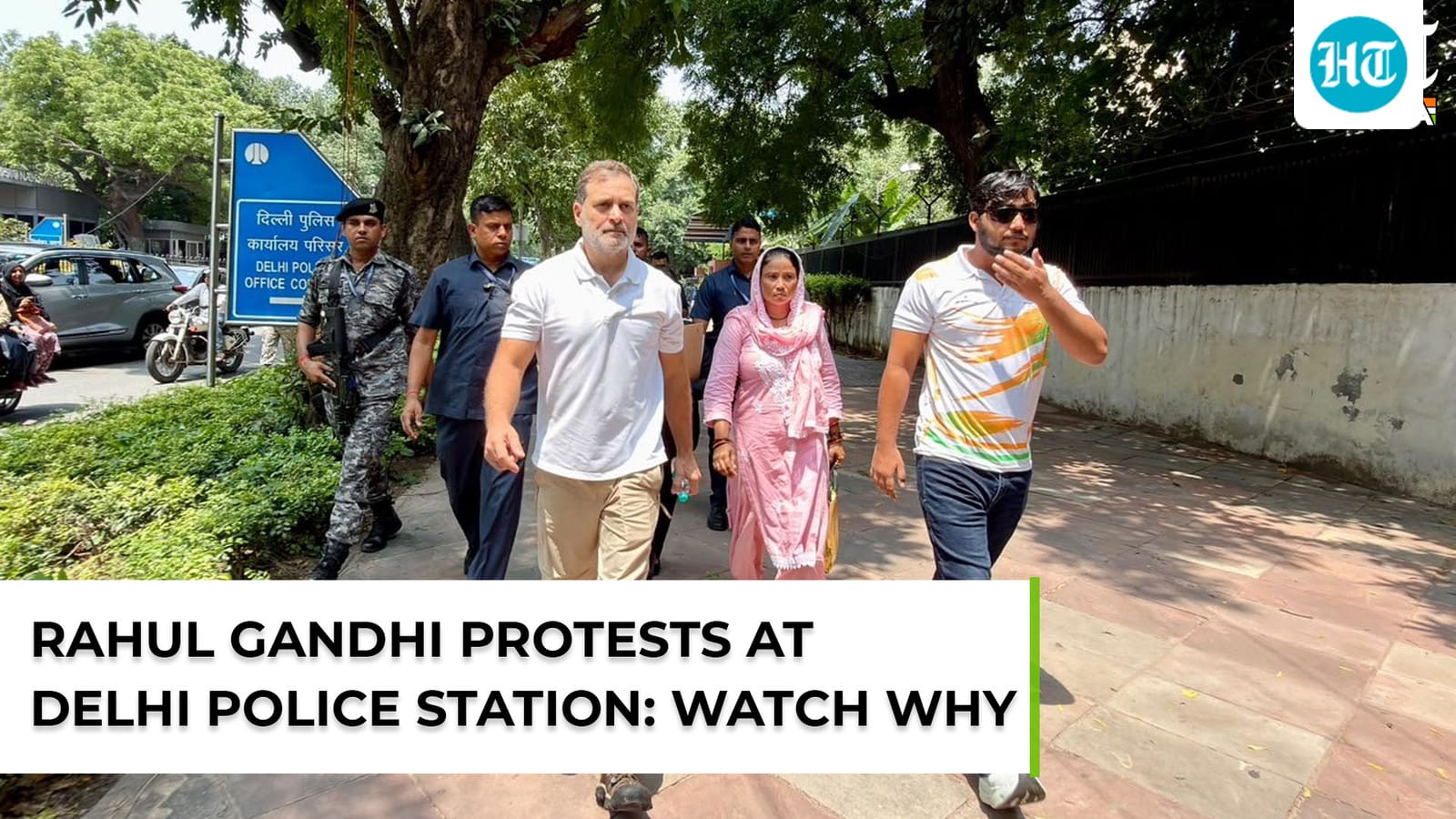
Rahul Gandhi staged a sit-in outside a Delhi police station demanding an FIR for a youth injured by pellet guns during a July protest. The incident highlights escalating tensions surrounding the NEET paper leak controversy and police accountability.
The Confrontation at Parliament Street: A Standoff Over Accountability
On August 21, 2026, the political atmosphere in New Delhi intensified as Leader of the Opposition (LoP) Rahul Gandhi staged a high-profile dharna (sit-in) outside the Parliament Street Police Station. This protest was triggered by the persistent refusal of the Delhi Police to register a First Information Report (FIR) regarding the injuries sustained by 19-year-old Sahil Lochab. Lochab, a victim of pellet gun fire during a July 20 demonstration, remains a symbol of the broader public outcry against the alleged mishandling of the NEET paper leak issue.
The Origins of the Conflict
The roots of this confrontation lie in the July 20 protest organized by the Cockroach Janata Party against the NEET paper leak, an event that sparked nationwide discourse on educational integrity and administrative failure. During the suppression of this protest, security forces deployed pellet guns to disperse crowds. Sahil Lochab, who was present at the site, suffered severe pellet injuries to his eyes and abdomen. His subsequent surgery at the AIIMS Trauma Centre underscored the gravity of the force used against protesters, raising serious questions about the proportionality of police action in democratic spaces.
The Political Stakes of the Dharna
Rahul Gandhi’s decision to personally accompany the victim to the police station represents a significant shift in opposition strategy, moving from parliamentary debate to direct, ground-level activism. By demanding an FIR, the LoP is challenging the legal immunity often afforded to law enforcement during civil unrest. The presence of Priyanka Gandhi Vadra alongside party workers further signals a unified Congress effort to leverage this incident to highlight systemic police apathy and the perceived high-handedness of the current administration.
Institutional Tensions and Security Response
The reaction of the state apparatus was swift and defensive. Delhi Police responded by barricading the area and sealing the gates of the Parliament Street police station, effectively creating a fortress in the heart of the capital. The deployment of the Rapid Action Force (RAF) highlights the administration's anxiety over the optics of the situation. By blocking entry to Congress supporters who were raising slogans, the police have inadvertently amplified the narrative of a government shielding itself from public accountability.
Broader Implications for Civil Liberties
This incident serves as a critical case study for the use of non-lethal weapons—such as pellet guns—in crowd control scenarios within urban environments. The medical severity of Lochab’s injuries challenges the classification of these weapons as 'non-lethal' and revives the debate on human rights standards in policing. When an LoP must resort to a sit-in to simply initiate a legal complaint, it exposes a fracturing trust between the political opposition and the law enforcement machinery, suggesting a future where civil rights activism becomes increasingly confrontational.
Conclusion: The Road Ahead
The standoff at the Parliament Street police station is more than a localized protest; it is a manifestation of the ongoing struggle over institutional integrity in India. As the NEET paper leak controversy continues to fuel public resentment, the demand for transparency and justice for victims like Sahil Lochab will likely remain a central pillar of the opposition's agenda. Whether this dharna leads to the registration of the FIR or further escalates into a wider political crisis remains to be seen, but the event has undeniably set the stage for a volatile session of political discourse.
Multiple Citing Sources
Verification Required?