FIR for pellet injury during July 20 stir filed after Rahul Gandhi protests for over 6 hours
Source Entity
Latest News: Todays Latest News Headlines from India & World | Hindustan Times | Hindustan Times
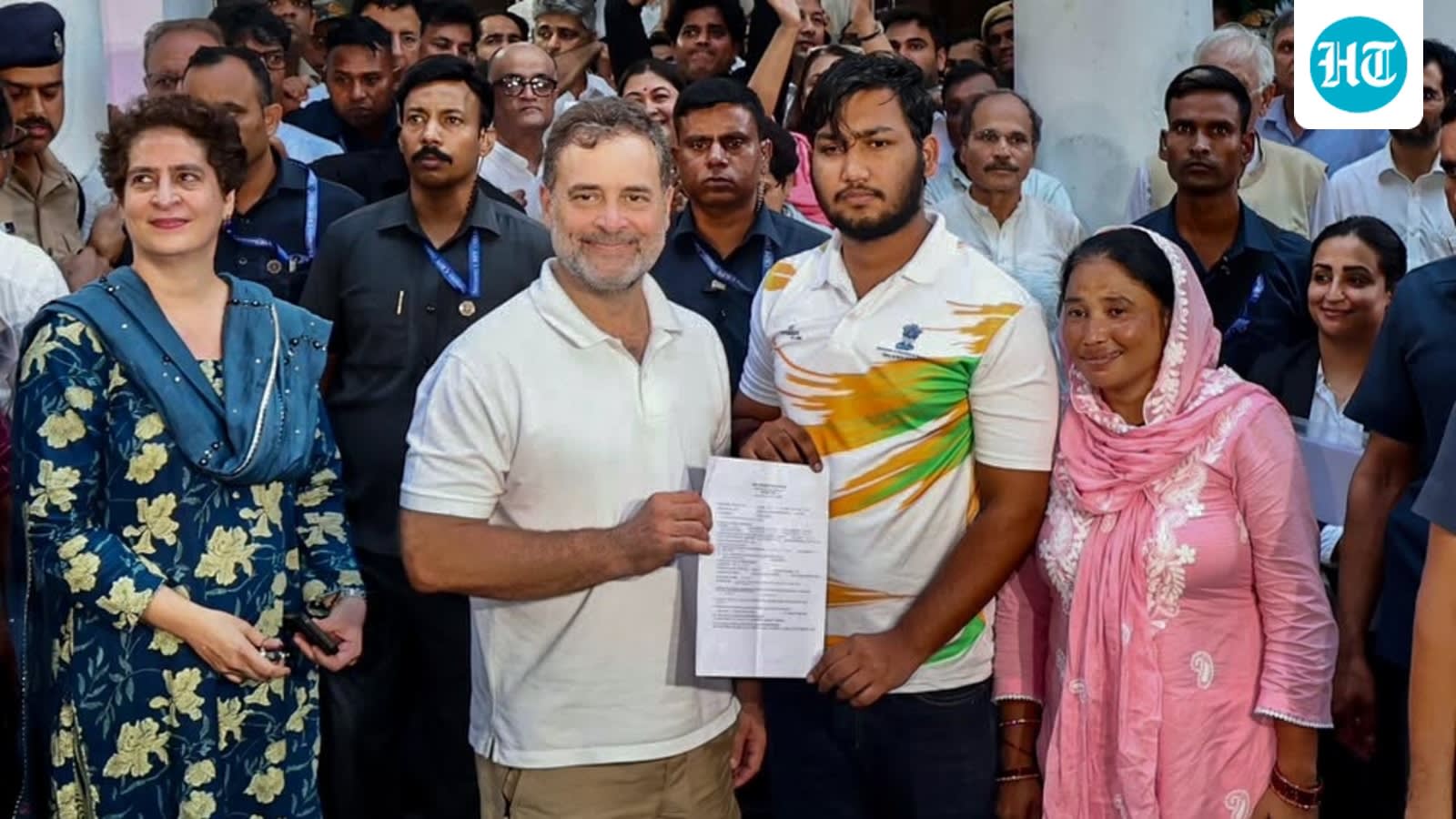
Rahul Gandhi staged a sit-in at New Delhi's Parliament Street Police Station to demand an FIR for a youth injured by pellet guns. The protest stems from police action during a July 20 demonstration regarding the NEET paper leak.
Standoff at Parliament Street: Rahul Gandhi Demands Accountability
On August 21, 2026, Leader of the Opposition Rahul Gandhi initiated a high-profile dharna (sit-in) outside the Parliament Street Police Station in New Delhi. This protest was triggered by the Delhi Police’s persistent refusal to register a First Information Report (FIR) regarding the injuries sustained by 19-year-old Sahil Lochab. The incident underscores a deepening divide between the opposition and law enforcement agencies regarding the handling of civil protests and the use of force against demonstrators.
The Incident: A Victim of Crowd Control
At the center of this political standoff is Sahil Lochab, a youth who sustained severe injuries to his eyes and abdomen during a protest on July 20. The demonstration, organized by the Cockroach Janata Party, was centered on the widespread grievances surrounding the NEET paper leak issue. The use of pellet guns—a controversial crowd-control measure—resulted in injuries requiring emergency surgery at the AIIMS Trauma Centre. Mr. Gandhi’s decision to accompany the victim highlights the opposition’s attempt to bring human rights concerns directly to the doorstep of the state apparatus.
Escalating Tensions and Security Response
The situation outside the Parliament Street Police Station escalated rapidly as the Delhi Police responded by barricading the area and closing the station gates. The deployment of the Rapid Action Force (RAF) indicates the sensitivity of the situation, as Congress party workers and supporters attempted to breach the perimeter, chanting slogans in support of the victim. The arrival of Congress MP Priyanka Gandhi Vadra further signaled a unified party effort to pressure authorities into filing the FIR.
Broader Implications for Protest and Policing
The refusal to register an FIR in cases involving police-inflicted injury raises significant questions about accountability and the transparency of the grievance redressal mechanism. By staging a sit-in, the Leader of the Opposition is challenging the current protocols of police conduct during political demonstrations. This act serves as a broader critique of how the state manages dissent, particularly when the underlying causes—such as the NEET exam integrity issues—are already a matter of intense public debate.
Historical Context and Future Trends
This event is part of a recurring pattern in Indian politics where the opposition uses symbolic acts of non-violent protest to highlight alleged administrative failures. The use of pellet guns, historically associated with intense regional unrest, becoming a point of contention in the heart of the capital suggests a shift in the intensity of political confrontations. As the protest continues, the focus will likely remain on whether the police will comply with the demand for an FIR or if the incident will catalyze a larger national movement regarding the regulation of force during public demonstrations.
Conclusion
The standoff at Parliament Street is more than a dispute over a single police report; it is a manifestation of the ongoing struggle for institutional accountability. With the involvement of high-ranking opposition leaders and the deployment of paramilitary forces, the event highlights the volatile intersection of student-led activism, state security policies, and the political mandate of the Leader of the Opposition to hold the government to account.
Multiple Citing Sources
Verification Required?