EC-SIR issue: Rahul Gandhi's plea not listed for hearing in Supreme Court as defects yet to be cured
Source Entity
India Latest News: Top National Headlines Today & Breaking News | The Hindu
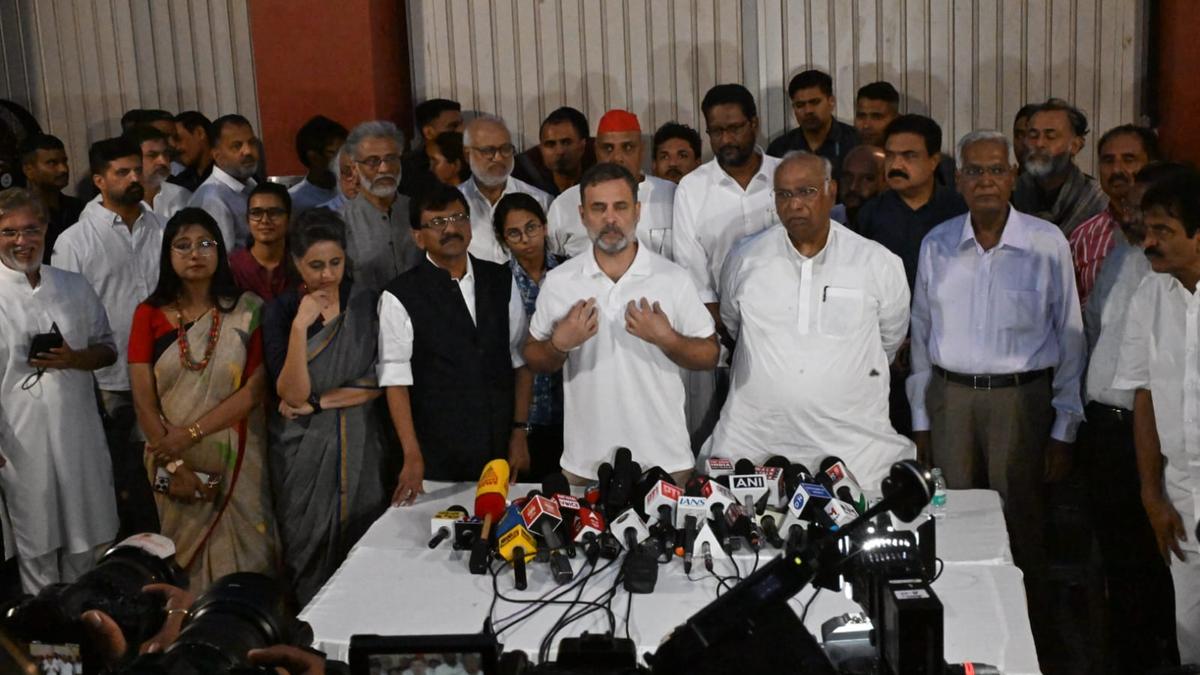
Leader of Opposition Rahul Gandhi and INDIA bloc leaders have petitioned the Supreme Court regarding alleged irregularities in voter deletions during the Special Intensive Revision process. The petition demands an independent probe and access to official ECI records to ensure electoral transparency.
The INDIA Bloc Challenges ECI Voter Revision Procedures
In a significant legal confrontation, the Leader of the Opposition, Rahul Gandhi, alongside ten senior leaders of the INDIA bloc, has officially petitioned the Supreme Court of India. The petition targets the Election Commission of India (ECI), specifically naming Chief Election Commissioner Gyanesh Kumar and Commissioners Sukhbir Singh Sandhu and Vivek Joshi as respondents. This move marks a high-stakes escalation in the ongoing debate regarding the integrity of voter rolls and the administrative transparency of the ECI.
Dissecting the Allegations of Voter Deletions
The core of the dispute centers on the Special Intensive Revision (SIR) process, a critical electoral exercise designed to update and refine voter rolls. The petitioners, including figures such as Mallikarjun Kharge, Akhilesh Yadav, and Sanjay Raut, have raised serious concerns regarding discrepancies in voter deletions. By seeking to summon all internal records and official notings related to these decisions, the INDIA bloc aims to determine whether the deletion process was conducted in accordance with established democratic norms or if it was subject to procedural bias.
Demanding Institutional Accountability
Beyond merely questioning specific deletions, Rahul Gandhi has urged the Supreme Court to authorize the formation of an independent committee to investigate the ECI’s decision-making apparatus. The petition explicitly calls for a forensic re-examination of the online mechanisms for voter registration, specifically highlighting the ECINet portal. This request signifies a broader push for structural reform, suggesting that the current digital infrastructure lacks the requisite oversight to prevent administrative errors or intentional manipulation.
The Role of the Supreme Court
The Supreme Court’s involvement is pivotal, as it must now balance the autonomy of the ECI against the necessity of judicial oversight in matters of fundamental democratic rights. By calling for the production of official notings, the Court is being asked to pierce the veil of administrative confidentiality that typically shields election commission processes. This hearing will likely establish a precedent for how much transparency is required from constitutional bodies when the opposition challenges the technical execution of electoral duties.
Broader Implications for Electoral Integrity
The outcome of this legal battle will have far-reaching implications for future election cycles in India. If the Supreme Court orders an independent inquiry, it could lead to a permanent overhaul of the SIR process, potentially introducing mandatory third-party audits or increased parliamentary oversight of the ECI. Conversely, a dismissal of the petition would reinforce the ECI’s current administrative discretion, effectively signaling that the judiciary remains hesitant to interfere in the internal mechanisms of the electoral body.
Conclusion and Future Trends
As the petition moves forward, the political landscape remains tense. The focus on the ECINet portal and the specific roles of the Commissioners indicates that the opposition is shifting toward a more data-centric approach to challenging electoral conduct. Moving forward, the relationship between the ECI and political stakeholders will be defined by the Court's ruling on the transparency of digital electoral services and the accountability of those tasked with maintaining the sanctity of the voter rolls.
Multiple Citing Sources
Verification Required?