Blank walls, missing protests: Inside Raihan Vadra’s curtailed show
Source Entity
Srirupa Goswami
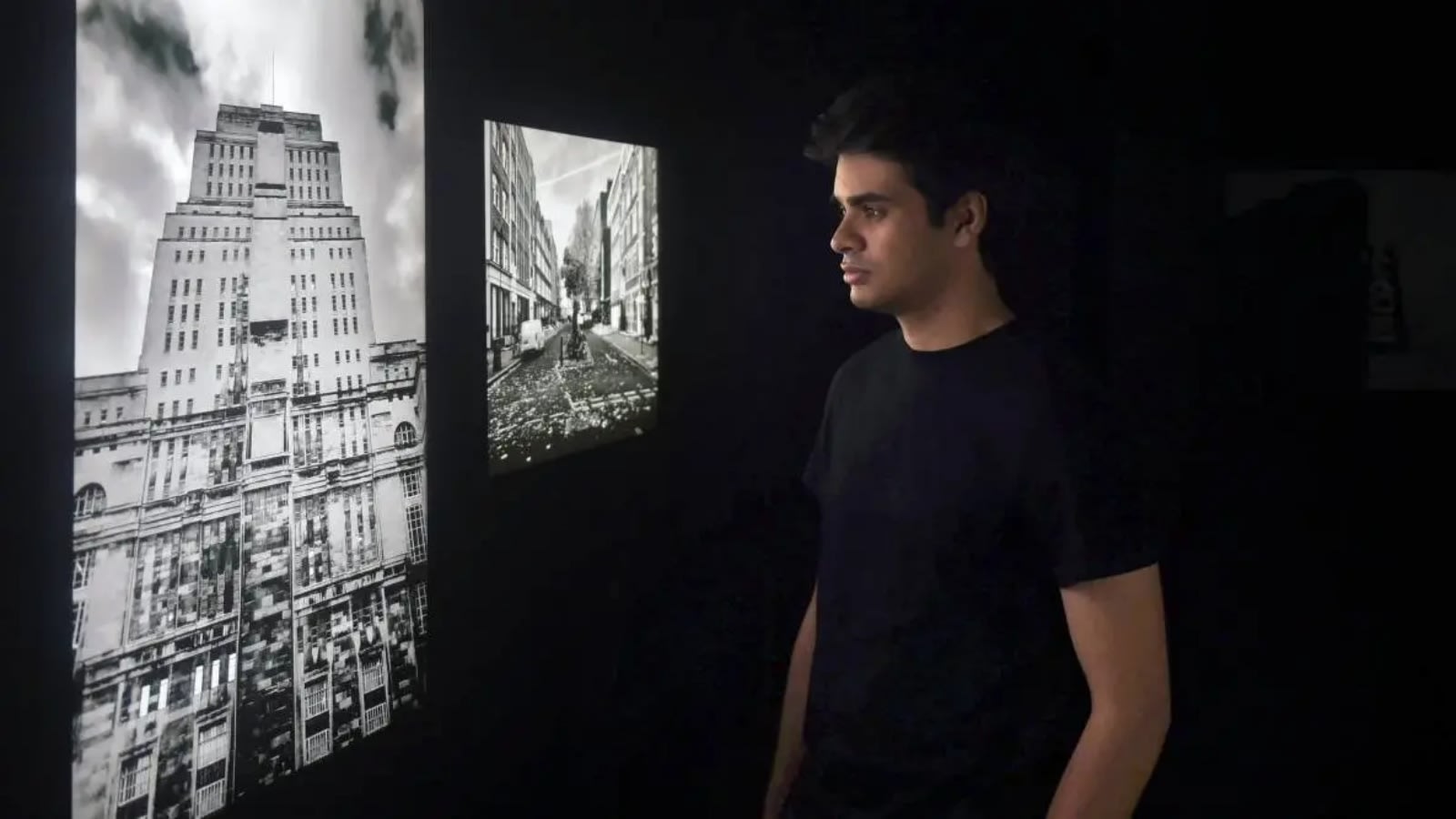
Photographer Raihan Vadra's exhibition at Bikaner House was censored after organizers removed 70 prints documenting recent Delhi protests. The incident has sparked concerns over artistic freedom and political sensitivity in public venues.
The Intersection of Art and Political Censorship
An exhibition of photographs by Raihan R. Vadra at Delhi’s prestigious Bikaner House has become the center of a controversy surrounding the boundaries of creative expression and institutional oversight. The event, which was intended to showcase a collection of 105 prints, saw a significant portion of the work removed by the venue organizers just hours before the opening. The core of the conflict stems from the organizers' decision to flag the content as 'political,' leading to the forced removal of 70 images that documented various protests held in the national capital.
The Nature of the Disputed Content
The collection in question sought to capture the visceral reality of public demonstrations, including rallies held at Jantar Mantar as recently as July. Among the most contentious pieces were photographs depicting the national flag being waved during these protests. Vadra, who has a history of exhibiting at Bikaner House annually since 2021, reportedly refused to voluntarily remove these images, citing their significance to his visual narrative. However, the venue took unilateral action, effectively curating the show by stripping away the elements they deemed politically sensitive.
Institutional Precedent and Venue Policy
The fact that Vadra has maintained a consistent relationship with Bikaner House for several years adds a layer of complexity to the incident. This established rapport suggests that the venue’s sudden pivot toward strict 'political' censorship is not merely a procedural matter but perhaps a reflection of shifting pressures or guidelines regarding what content is deemed acceptable within state-affiliated or high-profile public spaces. The timing of the demand—less than four hours before the exhibition’s public debut—indicates an urgent, last-minute intervention that disrupts the artistic intent of the showcase.
Implications for Artistic Freedom
This incident highlights a broader trend of increased scrutiny over art that engages with current affairs or civil unrest. When institutions label protest documentation as 'political content' in a way that necessitates removal, it creates a chilling effect on visual artists. By sanitizing the exhibition, the venue has inadvertently transformed the show into a statement on the limitations of public discourse, rather than the original artistic commentary intended by the photographer.
The Political Backdrop
It is impossible to ignore the personal context of the artist; Raihan R. Vadra is the son of Congress MP Priyanka Gandhi Vadra. While Vadra identifies as a visual artist, the intersection of his family background and the subject matter of his photography—protests against the prevailing political climate—inevitably draws heightened attention from both the public and institutional gatekeepers. This incident serves as a case study for how familial associations and political themes can complicate the staging of creative work in spaces that are often sensitive to government relations.
Future Trends in Cultural Governance
Looking forward, this event may influence how artists choose to engage with public venues in India. If institutions continue to exert editorial control over the 'political' nature of exhibits, we may see a migration of such works toward private galleries or digital platforms where the risk of last-minute censorship is lower. The Bikaner House incident underscores a growing tension between institutional risk management and the role of art as a mirror to contemporary social and political reality.