Raj Thackeray alleges donation theft at Mumbai's Siddhivinayak Temple: ‘ ₹18 crore stolen annually’
Source Entity
Latest News: Todays Latest News Headlines from India & World | Hindustan Times | Hindustan Times
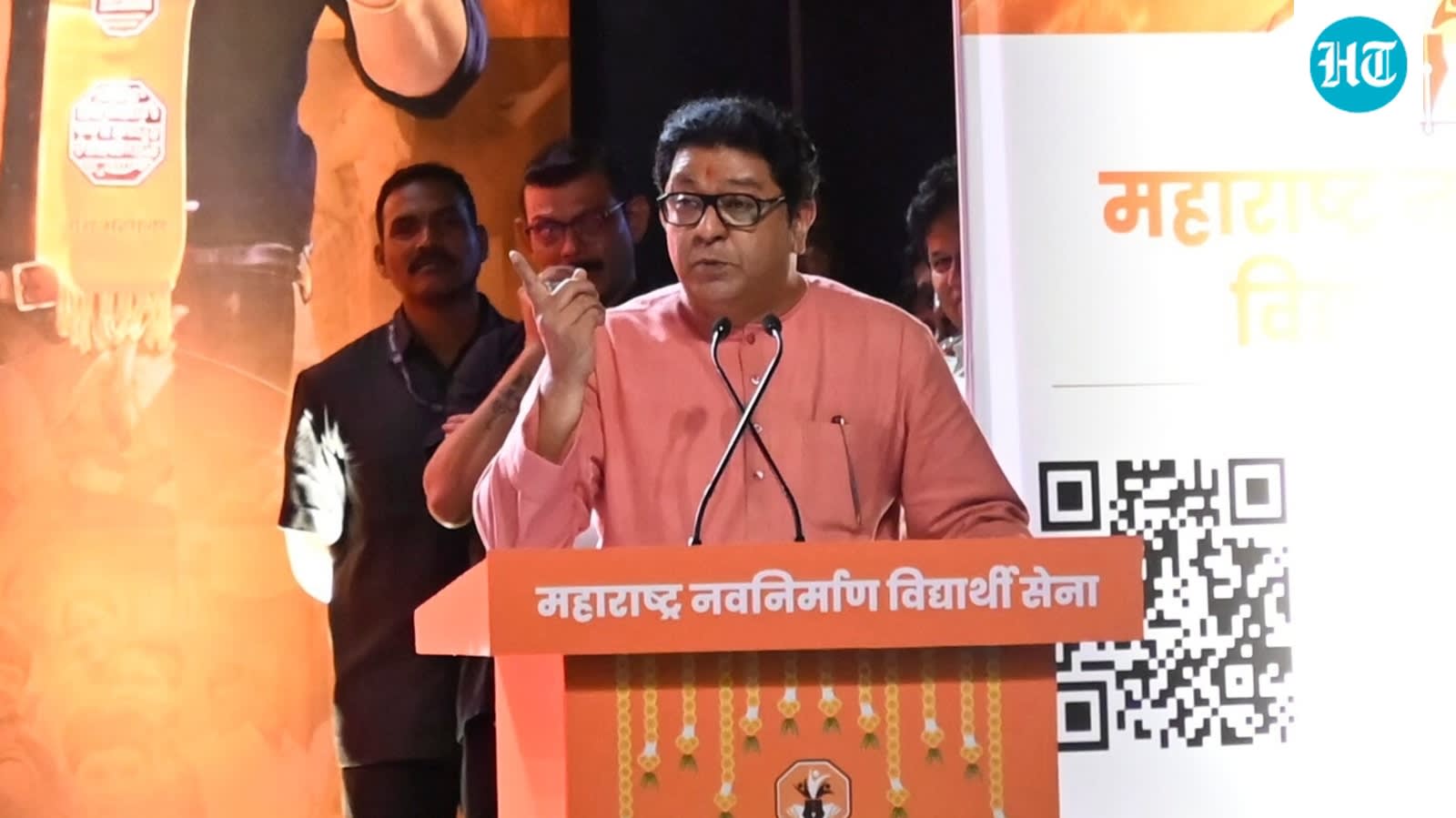
MNS chief Raj Thackeray has alleged a significant financial scandal involving the siphoning of Rs 18 crore annually from Mumbai's Siddhivinayak Temple. He has linked these claims to broader concerns regarding temple corruption, including allegations surrounding the Ram Temple in Ayodhya, and has called for Prime Minister Modi to address the issue.
Allegations of Financial Irregularity at Siddhivinayak Temple
Maharashtra Navnirman Sena (MNS) founder Raj Thackeray has leveled serious allegations regarding the financial management of one of India's most prominent religious institutions, the Siddhivinayak Temple in Mumbai. Thackeray claims that approximately Rs 18 crore is siphoned off annually from the temple's donations, casting a shadow over the transparency of religious trusts. These allegations highlight a growing tension regarding the oversight of massive financial inflows into major places of worship.
The Scale of Financial Discrepancy
The crux of Thackeray’s argument rests on the fluctuations in reported weekly earnings. He asserted that the temple's weekly income significantly jumped from under Rs 50 lakh to Rs 1.5 crore once the alleged theft was detected and curtailed. This dramatic variance in reported revenue serves as the primary basis for his claim, suggesting that a substantial portion of the devotees' offerings was being diverted before reaching official accounts.
Broader Context of Temple Corruption
Thackeray’s accusations regarding the Siddhivinayak Temple do not exist in a vacuum; they are part of a wider narrative he is constructing regarding the sanctity of religious sites. He explicitly linked these concerns to alleged financial improprieties at the Ram Temple in Ayodhya, where he claimed that Rs 1,400 crore had been stolen. By grouping these institutions, Thackeray is framing a systemic issue where he believes even the most sacred spaces are no longer immune to corruption.
Political Implications and Calls for Accountability
By publicly demanding that Prime Minister Narendra Modi address these allegations, Thackeray is elevating the issue from a local administrative concern to a national political debate. His rhetoric—stating that frustrated youths turn to temples for solace only to find them tainted by corruption—is designed to resonate with his core support base, tapping into broader public anxieties regarding institutional integrity and the misuse of public or donated funds.
Future Trends and Transparency Challenges
This controversy underscores the increasing demand for greater transparency in the management of high-revenue religious trusts. As these institutions manage vast sums of money, the pressure for digitized donation tracking and rigorous independent auditing is likely to intensify. Thackeray’s intervention may force a broader debate on whether religious bodies should be subjected to stricter government oversight or more transparent public disclosure policies to maintain the faith of the millions who contribute to them annually.
Verification Required?