Opposition believes it outplayed BJP in Monsoon Session. What comes next?
Source Entity
Manoj C G
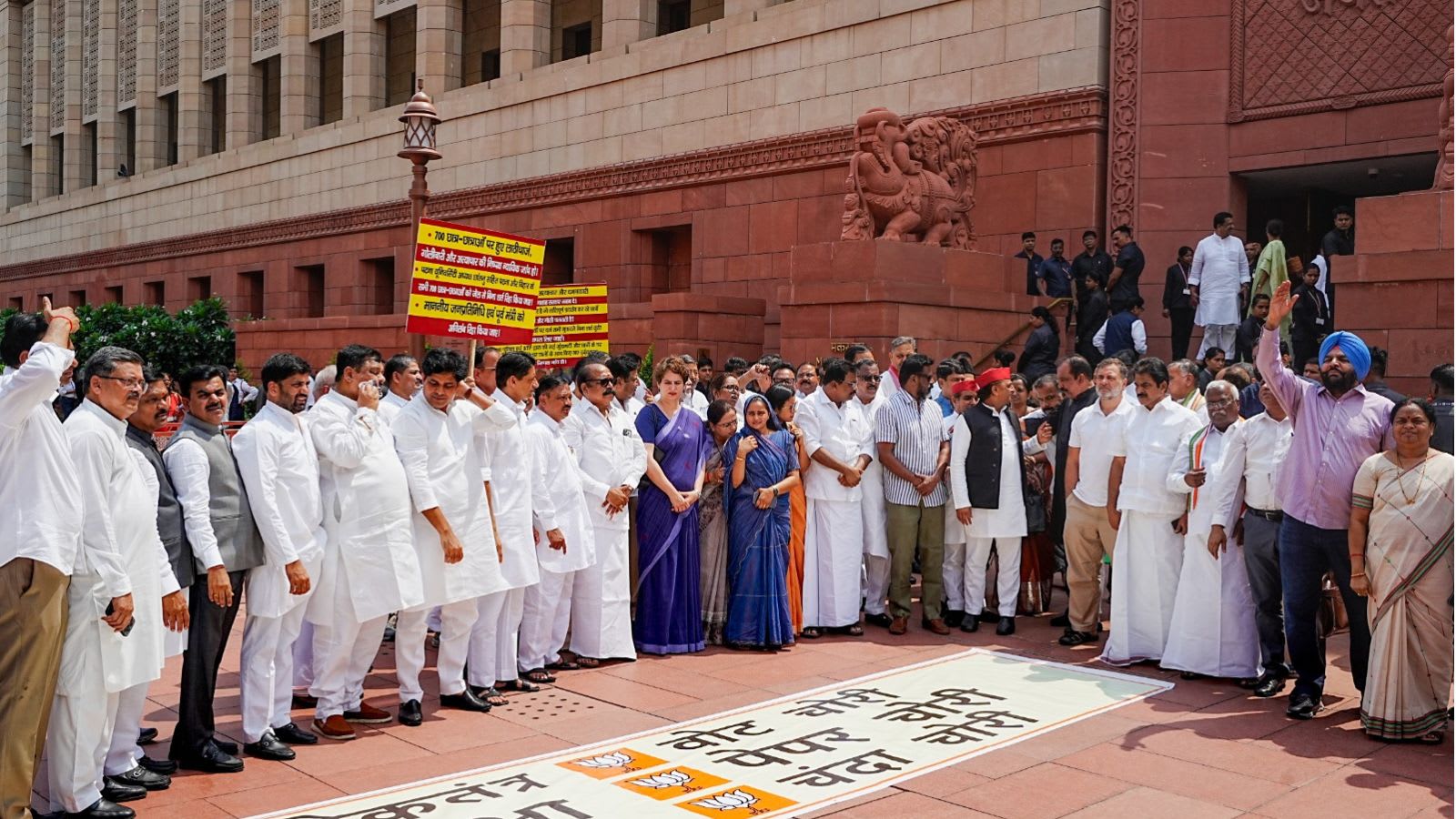
The Monsoon Session of the Indian Parliament faced severe productivity challenges, with the Rajya Sabha recording only 39% efficiency. Disruptions fueled by student protests and political controversies derailed the government's legislative agenda, prompting concerns over parliamentary decorum.
The Erosion of Parliamentary Efficiency: A Post-Monsoon Session Analysis
A Session Defined by Disruption
The Monsoon Session of the Indian Parliament, which concluded on August 13, 2026, has been characterized by significant legislative stagnation. Rajya Sabha Chairperson C.P. Radhakrishnan expressed profound concern as he adjourned the 271st session sine die, lamenting that the House achieved a productivity rate of only 39%. This low threshold reflects a broader trend of procedural derailment, where the primary function of the Upper House—deliberative debate—was eclipsed by persistent disorder.
The Perfect Storm: Protests and Political Friction
The session, which commenced on July 20, was intended to be a period of high legislative output. However, the government’s ambitious agenda, which included potential amendments to the Foreign Contribution Regulation Act (FCRA) and the reintroduction of the Delimitation Bill, faced immediate hurdles. The atmosphere was dominated by a 'perfect storm' of external and internal pressures: widespread student protests, a subsequent crackdown on marches toward Parliament, and intense Opposition focus on allegations surrounding a Ram Temple donation scam.
The 'Game' of Parliamentary Swagger
Critics have pointed to a worrying evolution in legislative conduct, suggesting that Members of Parliament across the political spectrum have adopted a strategy of gaming the system. Rather than engaging in the traditional democratic discourse expected of the august House, there is a perception that parties prioritize performative obstructionism. This 'empty swagger' has transformed the floor of the House into a theatre of confrontation, where the goal appears to be the disruption of the opponent's agenda rather than the advancement of public interest.
Legislative Impact and Lost Opportunities
Despite the chaotic environment, the Rajya Sabha did manage to pass or return 12 Bills. While this indicates that some administrative functions continued, the stark contrast between the government’s planned agenda and the actual output is undeniable. The Lok Sabha fared even worse, with productivity plummeting to 19%. This disparity highlights a systemic failure to utilize the parliamentary calendar effectively, effectively silencing the voices of the people that the Chairperson emphasized must be represented.
Historical Context and Future Implications
The phenomenon of a 'washed out' Monsoon Session is becoming a recurring cliché in Indian political discourse. However, the 2026 session suggests a deepening of this malaise. When legislative bodies are consistently unable to function due to a combination of social unrest and political brinkmanship, the democratic process suffers. The long-term implication is a potential loss of public trust in parliamentary institutions.
Conclusion: A Call for Democratic Reform
Chairperson C.P. Radhakrishnan’s call for members to uphold the dignity of the House serves as a reminder of the foundational expectations of Indian democracy. For the legislative process to regain its efficacy, there must be a concerted effort to move beyond the current culture of obstruction. Without a return to the 'highest traditions' of debate and consensus, the Parliament risks becoming an arena where political maneuvering replaces the critical responsibility of lawmaking.
Multiple Citing Sources