Amend Constitution to freeze the strength of the Lok Sabha at 543, Vijay tells PM Modi
Source Entity
India Latest News: Top National Headlines Today & Breaking News | The Hindu
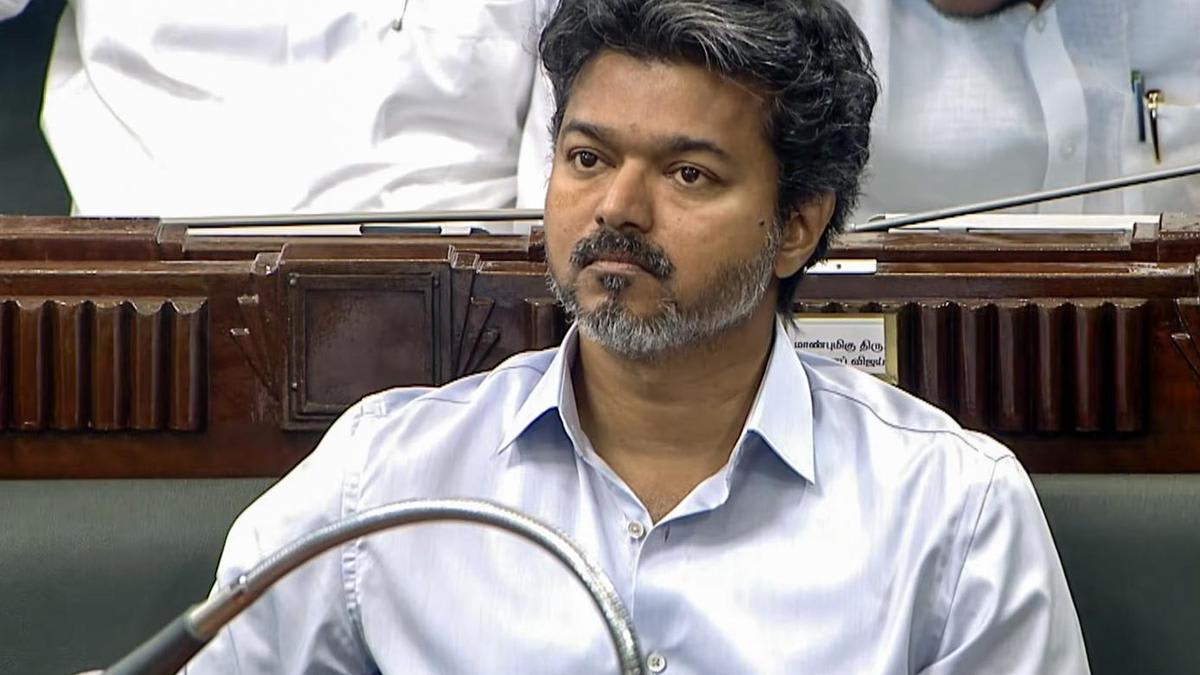
Tamil Nadu Chief Minister C. Joseph Vijay has urged Prime Minister Narendra Modi to constitutionally freeze Lok Sabha seats at 543. The request, backed by an August 12 state assembly resolution, aims to maintain current inter-state seat distribution during future delimitations.
Constitutional Stasis: Tamil Nadu’s Push to Freeze Lok Sabha Strength
In a significant political development, Tamil Nadu Chief Minister C. Joseph Vijay has officially petitioned Prime Minister Narendra Modi to initiate a constitutional amendment aimed at capping the strength of the Lok Sabha at its current count of 543 seats. This request, formalized through a letter dated August 13, 2026, follows a formal resolution passed by the Tamil Nadu Legislative Assembly on August 12. The move highlights deep-seated anxieties regarding the upcoming delimitation exercise and its potential impact on the political representation of southern states.
The Context of Delimitation and Representation
At the heart of Chief Minister Vijay’s appeal is the long-standing concern over the reallocation of parliamentary seats based on population shifts. The delimitation process, which periodically redraws constituency boundaries, is inherently linked to census data. States like Tamil Nadu, which have successfully implemented population control measures, fear that they will be penalized through a reduction in political influence if seats are redistributed based solely on current population density, which favors more populous northern states.
Legislative Backing and Strategic Intent
By securing a resolution from the state assembly before approaching the central government, the Chief Minister has signaled that this is not merely a personal policy preference but a collective mandate from the state’s legislature. The inclusion of the assembly’s resolution serves to add weight to the demand, framing it as a matter of federal balance. This strategic move aims to ensure that the current proportion of inter-state seat distribution remains untouched, thereby preserving the existing political equilibrium.
Intersection with Women’s Reservation
Chief Minister Vijay’s correspondence also explicitly links this demand to the broader discourse surrounding the implementation of 33% reservation for women in legislative bodies. The interplay between delimitation and women’s reservation is complex; as the government moves toward fulfilling the promise of gender-based quotas, the structural framework of the Lok Sabha becomes a focal point of intense legal and political scrutiny. By advocating for a freeze at 543, the state government is attempting to preemptively secure its current standing before these major structural changes are enacted.
Future Implications for Federalism
This demand underscores the growing friction between the Union and the States regarding the future of Indian federalism. If the central government proceeds with a delimitation exercise that significantly alters seat ratios, it could trigger a constitutional crisis or, at the very least, a significant realignment of regional power dynamics. The request to freeze the number of seats acts as a defensive mechanism, intended to protect the interests of states that have historically been successful in developmental and social indicators, yet fear a decline in national political weight.
Conclusion: A Call for Consensus
Ultimately, the appeal from the Tamil Nadu government represents a critical test of cooperative federalism. Whether the Union government considers an amendment to preserve the status quo will depend on its broader strategy for electoral reform and its ability to build consensus among diverse state interests. As the 2026 political landscape evolves, this debate over the fundamental structure of the Lok Sabha will likely remain a defining issue in the national discourse on representation and constitutional integrity.
Verification Required?