Perfect storm of Monsoon Session comes to an end
Source Entity
India Latest News: Top National Headlines Today & Breaking News | The Hindu
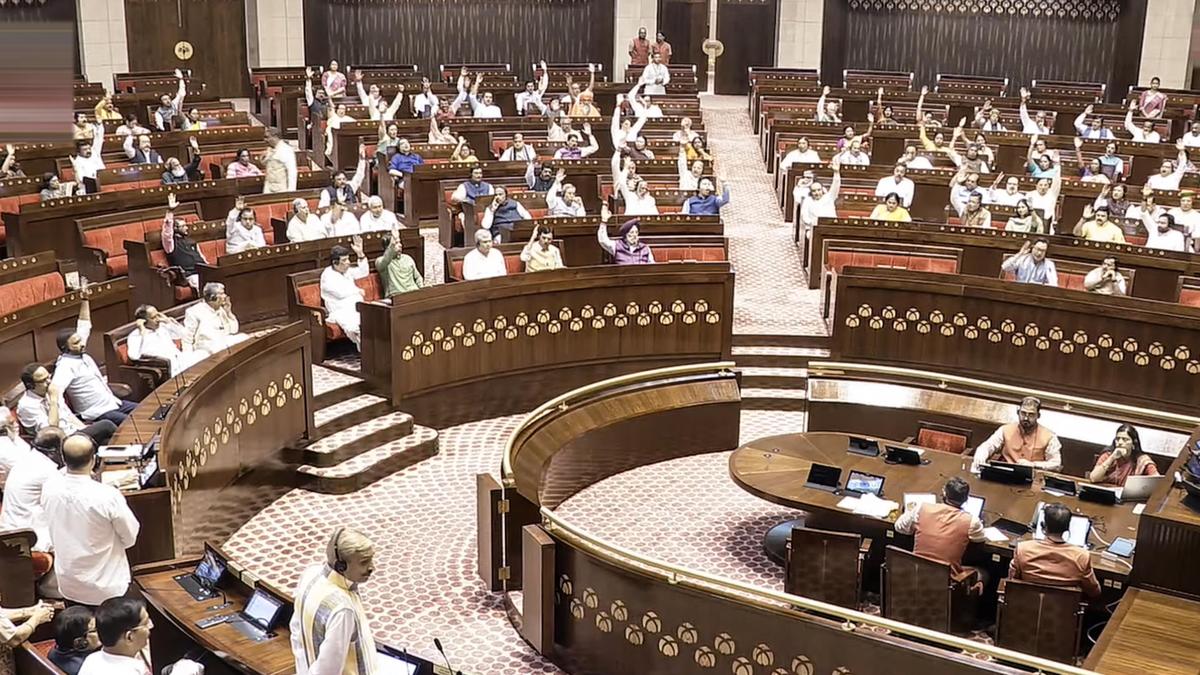
The Rajya Sabha's Monsoon Session concluded with a low productivity rate of 39% due to persistent disruptions. Chairperson C.P. Radhakrishnan expressed deep regret, noting that legislative progress was hindered by student protests and political opposition.
The Decline of Parliamentary Productivity: A Post-Mortem of the Monsoon Session
The conclusion of the 271st Session of the Rajya Sabha has left a somber impression on the landscape of Indian democracy. With Chairperson C.P. Radhakrishnan expressing "deep concern" over the proceedings, the session serves as a stark reminder of the growing disconnect between legislative intent and parliamentary performance. Recording a productivity rate of only 39%, the House struggled to maintain its functional equilibrium, failing to meet the expectations of a body designed to serve as the voice of the people.
The Anatomy of a Disrupted Session
While the government entered the Monsoon Session with an ambitious legislative roadmap—including proposed amendments to the Foreign Contribution Regulation Act (FCRA) and a renewed attempt at the Delimitation Bill—the reality on the floor was markedly different. The session, which commenced on July 20, was immediately besieged by a "perfect storm" of external and internal pressures. Student-led protests and the subsequent government crackdown on marches toward Parliament significantly altered the political atmosphere, creating a volatile environment that hindered routine legislative business.
Legislative Gridlock and Tactical Gaming
Beyond the headline-grabbing protests, the session was marred by deep-seated political friction. The Opposition’s focus on the alleged Ram Temple donation scam added another layer of contention, effectively paralyzing the chambers. Analysts have pointed out that members across the political spectrum appear to be engaging in a new, dangerous form of "gaming" the Parliament. By prioritizing performative dissent over deliberative process, both sides have effectively weaponized disruption, leading to a situation where the "swagger" of political posturing replaces the solemn duty of lawmaking.
The Cost of Stalled Democracy
Despite the pervasive disruptions, the Rajya Sabha managed to pass or return 12 Bills. While this indicates that some work was completed, it pales in comparison to the potential output of a full session. When the Lok Sabha records a productivity rate as low as 19% and the Rajya Sabha lingers at 39%, the fundamental mechanism of parliamentary accountability is compromised. The failure to debate crucial legislation like the Delimitation Bill, which was previously shelved in April, suggests a systemic inability to achieve consensus on issues of national importance.
Upholding the Dignity of the August House
In his final address as he adjourned the House sine die, Chairperson Radhakrishnan issued a poignant appeal to the members. He urged them to uphold the "highest traditions of Indian democracy" and to prioritize their parliamentary responsibilities. His regret stems from the missed opportunity for members to act as conduits for public concern rather than agents of gridlock. This call for decorum highlights the urgent need for a shift in the parliamentary culture, moving away from the "washed out" cycles that have become a repetitive, annual trope in Indian politics.
Future Trends and Concluding Thoughts
Looking forward, the trend of recurring disruptions during the rainy season suggests that unless there is a fundamental reform in how the government engages with the Opposition and how protesters interact with the legislative process, future sessions may face similar fates. The "empty swagger" described by observers indicates a shift toward a more confrontational political style that may be difficult to reverse. For the Rajya Sabha to restore its prestige, it must move beyond the current cycle of protest and counter-protest, ensuring that the legislative agenda is not held hostage by the political theatrics of the day.
Multiple Citing Sources
Verification Required?