Bring in tech, cut human role: Ram Temple Trust explores new counting process for donations
Source Entity
Maulshree Seth
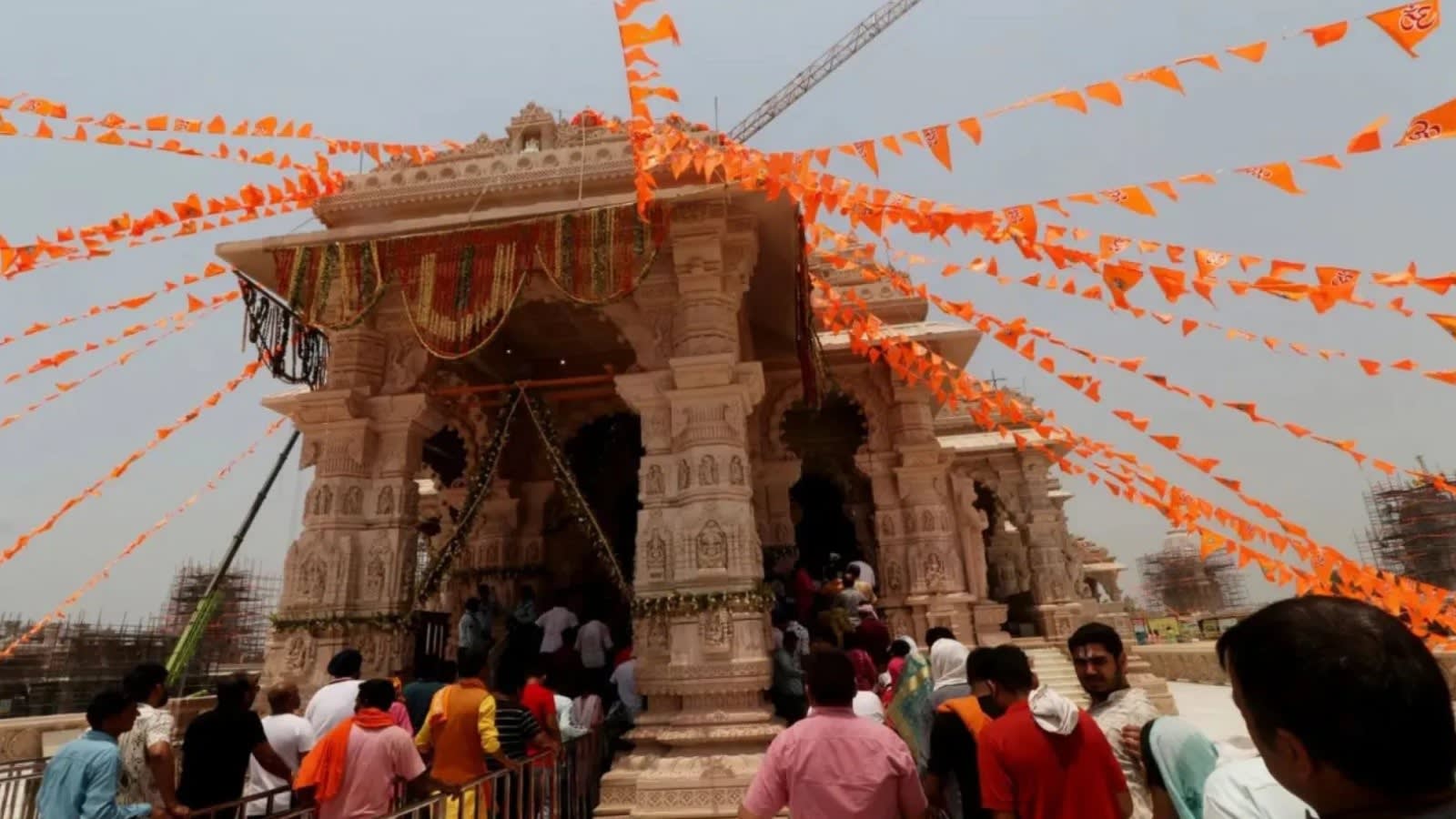
The Shri Ram Janmbhoomi Teerth Kshetra Trust is modernizing its donation counting process using IIT-developed technology to minimize human involvement. This shift follows an alleged theft incident, as the Trust manages significant financial assets and construction expenditures.
Modernizing Financial Oversight at the Ram Temple
The Shri Ram Janmbhoomi Teerth Kshetra Trust, which oversees the management of the Ram Temple in Ayodhya, has initiated a significant administrative pivot toward technological automation. This strategic shift is a direct response to security concerns following an alleged theft of donations, prompting the Trust to seek methods that minimize human intervention in the handling of cash offerings. By integrating advanced counting systems, the Trust aims to fortify its financial integrity and restore public trust in the management of religious contributions.
Integrating Academic and Banking Expertise
To facilitate this transition, the Trust has actively engaged with experts from an Indian Institute of Technology (IIT) alongside two established financial institutions. The goal is to design and implement a robust, technology-based infrastructure capable of processing high volumes of cash offerings with minimal manual oversight. By leveraging institutional expertise, the Trust hopes to create a transparent, error-free, and audit-ready framework that mitigates the risks associated with human-led cash handling.
Financial Landscape of the Trust
An analysis of the fiscal year 2025-26 reveals the scale of the financial operations managed by the Trust. With an income of Rs 237 crore against an expenditure of Rs 99 crore, the temple maintains a significant operational surplus. Furthermore, the allocation of Rs 425 crore toward ongoing construction and developmental works highlights the intense capital requirements of the site. As of March 31, 2026, the Trust reported total available funds of Rs 1,882 crore, underscoring the necessity for sophisticated financial management systems.
Broader Implications of Technological Adoption
This move toward automation reflects a broader trend in the management of high-traffic religious institutions in India. As these sites become major hubs for both spiritual tourism and substantial financial transactions, the reliance on traditional manual processes is increasingly viewed as a liability. The implementation of automated counting systems serves as a blueprint for other major temples, demonstrating how modern technology can be effectively utilized to secure charitable donations and manage immense institutional wealth.
Future Outlook and Operational Efficiency
The transition to a technology-based system is expected to yield long-term gains in administrative efficiency and security. By reducing the human element in cash counting, the Trust minimizes the risk of internal theft and operational discrepancies. Moving forward, the successful deployment of these systems will likely become a benchmark for transparency in religious governance, ensuring that the substantial resources available to the Trust are accounted for with precision and accountability.