230 years, 3km radius, 20,000 spectators a day: Inside Varanasi’s living Ramayana
Source Entity
NAMITA DEVIDAYAL
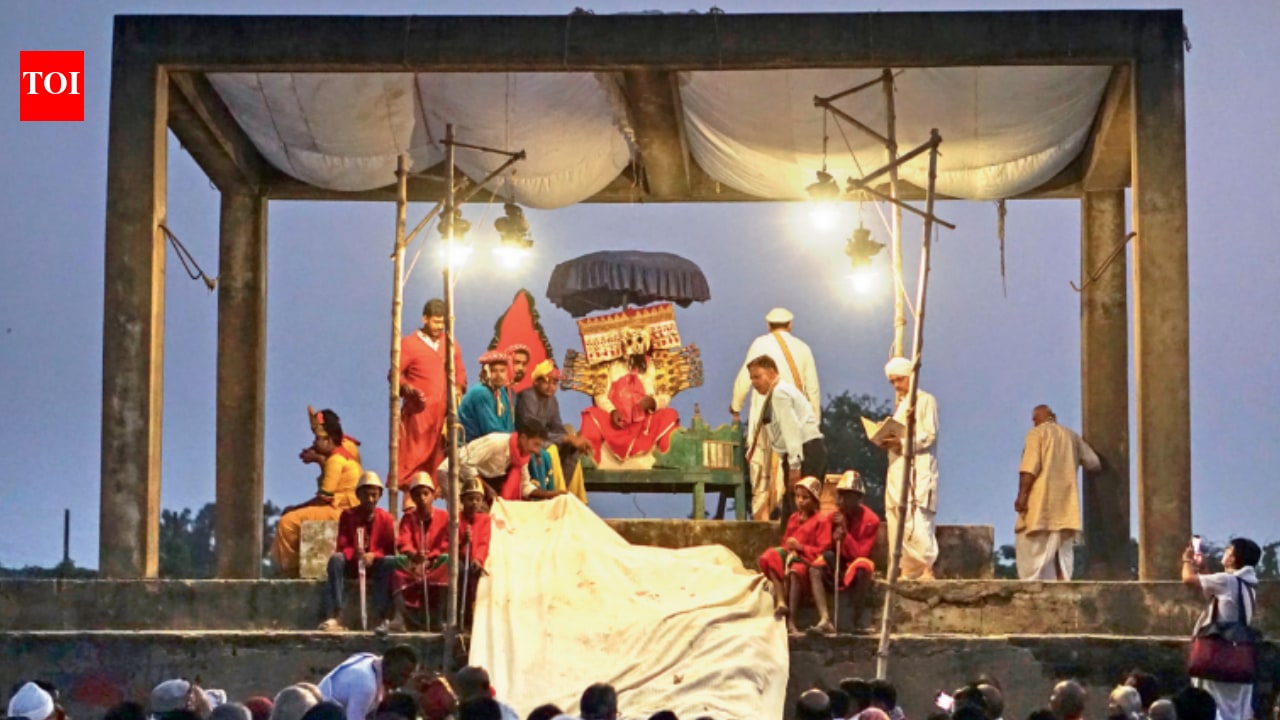
The Ramnagar Ramlila is a unique, 200-year-old immersive theater tradition where the entire town serves as a stage for the Ramayana. Drawing 20,000 daily spectators, it blends spiritual devotion with community participation, transforming local geography into epic landscapes.
The Living Stage: An Exploration of the Ramnagar Ramlila
For over two centuries, the town of Ramnagar, situated across the Ganges from Varanasi, has hosted one of the most remarkable theatrical traditions in the world. The Ramnagar Ramlila is not merely a performance; it is a profound cultural phenomenon that turns an entire township into a living map of the Ramayana. Unlike conventional plays confined to a static stage, this production utilizes a sprawling 3km radius, where geographical locations are transformed into Ayodhya, Janakpur, and Panchvati, allowing the epic narrative to unfold across the natural landscape.
A Unique Immersive Experience
What distinguishes this tradition is its refusal to conform to modern stage conventions. The spectators do not merely watch; they become integral participants in the unfolding divine drama. With an average of 20,000 spectators daily, the event creates a communal atmosphere that bridges the gap between the performer and the audience. This immersive quality ensures that the Ramayana is not just a story told in the past tense, but a present, breathing experience that defines the local identity of Ramnagar.
The Human Element: Devotion and Sacrifice
The depth of commitment required for such a long-running production is exemplified by the participants themselves. The narrative features individuals who dedicate their lives to these roles, such as the man who transitioned from a career as a police sub-inspector to portraying Hanuman. Such personal sacrifices highlight the spiritual gravity of the event, where the line between the actor and the character blurs, reflecting a deep-seated reverence for the cultural heritage being preserved.
Geography as Narrative
The use of 'Devout Geography' is perhaps the most striking aspect of the Ramlila. By mapping the epic onto the physical town, the organizers ensure that the audience traverses the same ground as the mythological figures. Whether it is the portrayal of Sita in the Ashok Vatika or the intense scenes featuring the character of Ravana, the town itself acts as a historical and spiritual anchor. This integration of space and story transforms the act of viewing into a pilgrimage.
Heritage and Future Outlook
As this tradition enters its third century, it remains a testament to the endurance of oral and performative histories. Despite the pressures of rapid modernization, the Ramnagar Ramlila continues to thrive by relying on the active engagement of the local community. The involvement of the King of Banaras and the active participation of residents ensure that the tradition is passed down through generations, maintaining its status as a vital link to India's historical and religious past.
Conclusion
The Ramnagar Ramlila stands as a masterclass in cultural preservation. By rejecting the limitations of the proscenium stage, it has created a model of storytelling that is both expansive and deeply personal. It serves as a reminder that when a community commits to its heritage, it can transform the very ground it walks upon into a space of enduring significance and collective memory.