Range Rover answers the question: "What if we built a not-SUV?"
Source Entity
Jonathan M. Gitlin
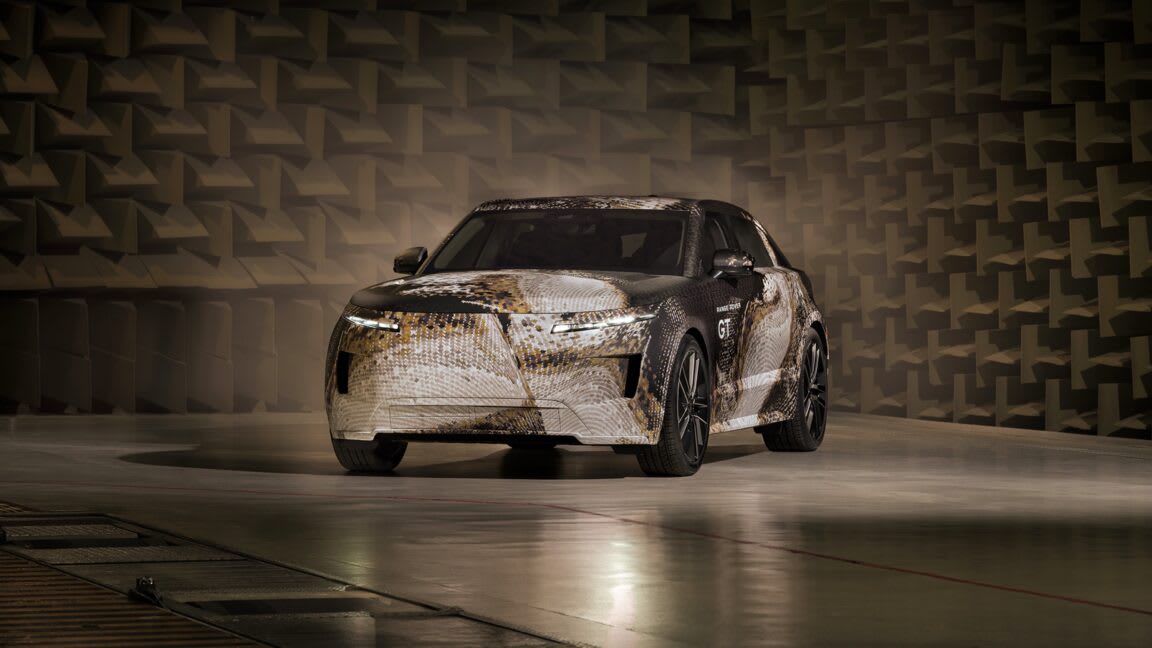
Range Rover is expanding its portfolio beyond the traditional luxury SUV market with the upcoming launch of the GT. This new model will debut as an electric vehicle, with a hybrid variant expected to follow.
The Evolution of a Luxury Icon
For over five decades, the Range Rover name has been synonymous with the luxury SUV category. Since the brand’s inception in 1970, it has set the industry benchmark for off-road capability paired with high-end refinement. However, the automotive landscape is shifting rapidly, and Range Rover is signaling a major strategic pivot by questioning its own identity: what happens when a brand defined by SUVs decides to build something else?
Introducing the Range Rover GT
The answer to this question is the newly announced Range Rover GT. While early industry speculation and leaked spy shots led many to believe this vehicle would be an all-electric successor to the Range Rover Velar, the reality is far more transformative. The GT represents a departure from the traditional high-riding SUV form factor, signaling a deliberate effort by the manufacturer to diversify its design language and engineering focus.
Electrification and Hybrid Strategy
At the core of this transition is a commitment to electrification. The Range Rover GT is slated to debut as a fully electric vehicle, underscoring the brand's alignment with global sustainability goals and the industry-wide transition away from internal combustion engines. Furthermore, the company has confirmed that a hybrid version will follow the initial EV launch, providing a bridge for consumers who are not yet ready to commit entirely to battery power.
Breaking the Mold
By moving away from the traditional SUV silhouette, the Range Rover GT challenges the brand's established market position. This shift is not merely aesthetic; it is a calculated risk to capture a broader segment of the luxury market that may desire the brand's prestige without the specific functional requirements of a sport utility vehicle. This move suggests that Range Rover is looking to compete in a more versatile, perhaps more aerodynamic, space.
Future Trends and Market Implications
This transition reflects a broader trend among luxury automakers who are moving toward specialized, low-slung, and performance-oriented electric platforms. As the automotive industry moves toward 2030, the ability to evolve beyond a single vehicle archetype will likely determine the longevity of legacy luxury brands. By experimenting with the GT, Range Rover is positioning itself to remain relevant in an era where 'luxury' is increasingly defined by technological innovation rather than just off-road heritage.
Conclusion
The introduction of the Range Rover GT marks a defining moment in the brand's history. By embracing an electric-first strategy and diversifying its product architecture, Range Rover is proving that it is willing to redefine the very foundations upon which its legacy was built. The automotive world now waits for the official reveal in September to see exactly how this 'not-SUV' will measure up against the high standards the brand has set for over 50 years.