Rare 1867 silver coin made for Shanghai trade sells for $4.758m
Source Entity
TOI WORLD DESK
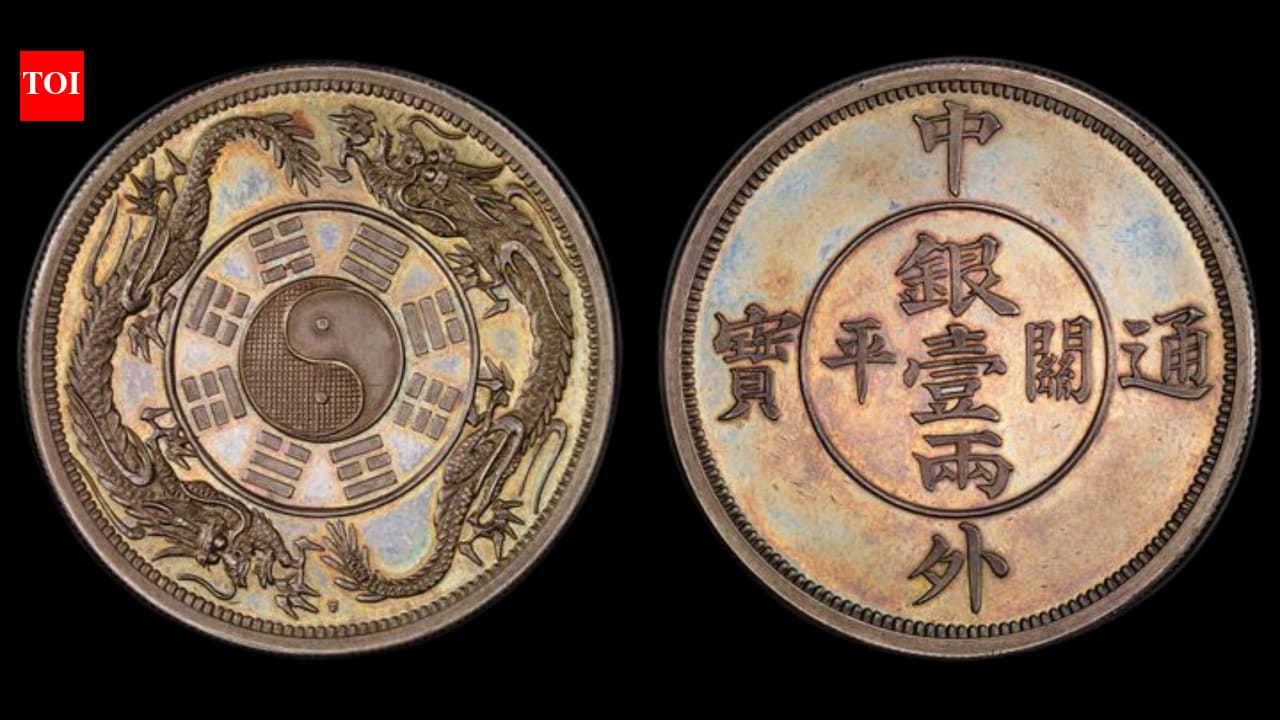
A rare 1867 Kwan Ping Trade Coinage silver pattern sold for $4.758 million at a Hong Kong auction. The coin, which never entered circulation, had been held in a private collection for over 76 years.
The $4.758 Million Relic: Unpacking the Kwan Ping Trade Coinage
In a landmark event for numismatics, a rare 1867 silver coin—the Kwan Ping Trade Coinage pattern—sold for $4.758 million at a Stack's Bowers Galleries auction in Hong Kong. This piece, struck in London over 150 years ago, represents a failed attempt to standardize international trade currency in 19th-century China. Its sale highlights the extreme value placed on historical artifacts that capture the intersection of colonial-era trade ambitions and local economic sovereignty.
A Vision of Standardized Trade
The Kwan Ping Trade Coinage was intended to serve as a bridge between Chinese and foreign mercantile interests. During the mid-19th century, trade in China was complicated by a patchwork of foreign currencies and silver weights. This proposed series aimed to create a reliable, standardized medium of exchange. However, because it never entered regular circulation, the coin exists today as a unique "pattern" or prototype, offering a rare glimpse into a financial system that could have drastically altered the economic landscape of the Qing Dynasty.
The Mystery of the Hidden Asset
What drives the value of such a coin beyond its metal content is its provenance and scarcity. Having been hidden from public view for 76 years within a private collection, the coin became a "ghost" of the numismatic world. The fact that it remained sequestered since the mid-20th century preserved its condition and fueled the anticipation surrounding its re-emergence. Such long-term private ownership often acts as a catalyst for high-end auction interest, as collectors vie for items that have not been vetted or seen by the public for generations.
Market Dynamics and Numismatic Rarity
The sale of this coin was the highlight of a nearly $32 million auction event, underscoring the robust demand for high-grade Chinese numismatic rarities. As global wealth increases, investors are increasingly looking toward tangible, historically significant assets that transcend traditional stock market volatility. The $4.758 million price tag reflects not just the rarity of the object, but its status as a unique historical document that chronicles the failed standardization of 1867 international trade.
Broader Economic Implications
Looking forward, the sale of the Kwan Ping pattern signals a trend where physical history is treated as a premium asset class. While the coin failed to achieve its original purpose of circulating as currency, it has succeeded as a store of value in the modern era. Collectors and historians alike view these pieces as essential for understanding the geopolitical tensions of the late 19th century, when imperial powers and local authorities struggled to define the rules of global commerce.
Conclusion
The successful auction of this rare silver pattern serves as a testament to the enduring fascination with numismatic history. By bridging the gap between a forgotten 1867 trade proposal and the modern luxury asset market, this coin remains a powerful symbol of China's complex economic past and the high-stakes world of international historical collecting.