If Vijay had proposed to Rashmika 100 times, would we call him desperate?
Source Entity
HAIMANTI MUKHERJEE
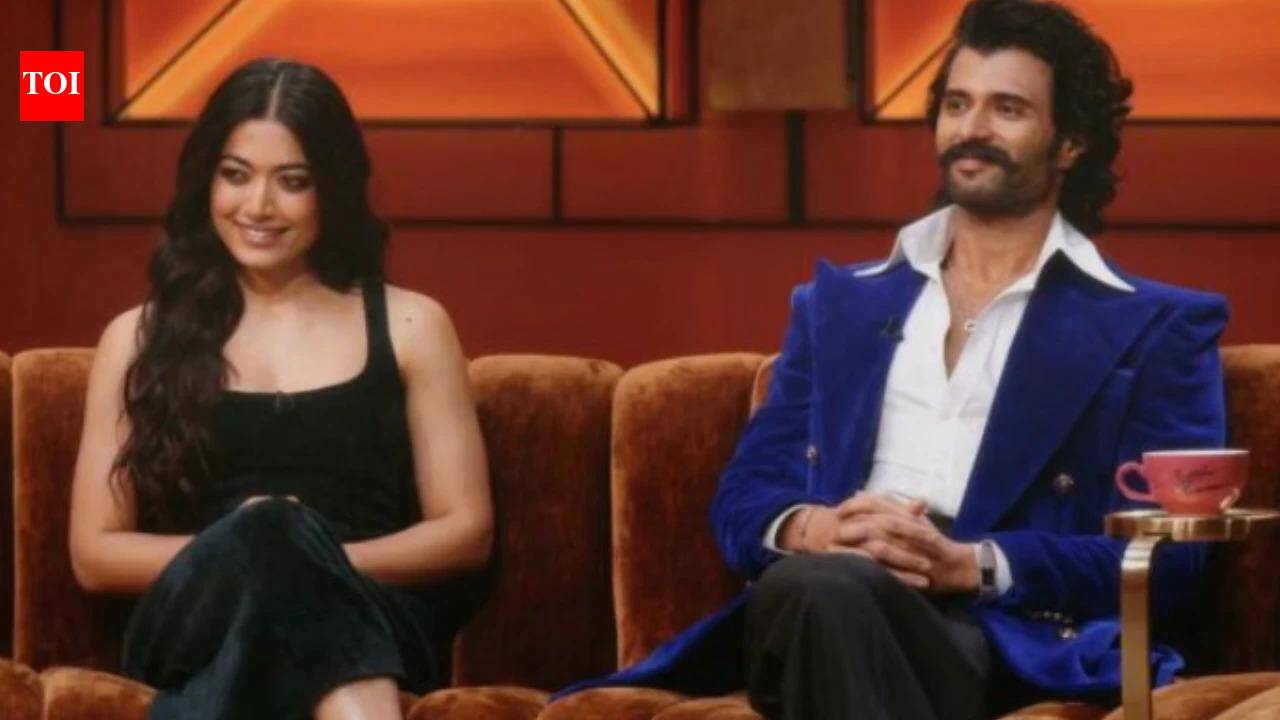
Public discourse surrounding Rashmika Mandanna and Vijay Deverakonda's relationship highlights societal double standards regarding courtship. The discussion challenges traditional gender roles and the media's obsession with celebrity personal lives.
The Discourse of Celebrity Relationships
The recent media coverage surrounding actors Rashmika Mandanna and Vijay Deverakonda has ignited a broader conversation regarding the intersection of celebrity culture, gender dynamics, and public perception. By framing their relationship through the lens of hypothetical scenarios—specifically questioning how the public would react if the gender roles in their courtship were reversed—commentators are dissecting deep-seated societal biases that dictate how we perceive romantic persistence and agency.
Deconstructing Gendered Expectations
At the heart of the discussion is the critical question: 'If Rashmika had asked Vijay to propose 100 times, would this madness ensue?' This inquiry serves as a litmus test for societal double standards. Historically, media narratives often categorize male persistence in romantic pursuits as 'dedication,' while similar behavior from women is frequently scrutinized under different, often harsher, psychological frameworks. The public obsession with whether a proposal was requested or initiated by either party reflects an outdated need to impose traditional power structures onto modern celebrity relationships.
The 'Koffee With Karan' Effect and Public Scrutiny
References to platforms like Koffee With Karan underscore the role of media in commodifying personal lives. These forums often encourage, or even demand, that stars perform their private lives for public consumption. When details about marriage or courtship are brought into the public sphere, the ensuing 'madness' or viral speculation often distracts from the individuals involved, turning their personal milestones into a battleground for social commentary on what constitutes 'proper' behavior in a relationship.
Misinterpreting Love and Self-Respect
There is a significant danger in confusing self-respect with a power tussle. The discourse suggests that society often views romantic unions as a zero-sum game where one partner must 'win' or 'lead.' By analyzing these actors' interactions through this lens, the public reveals its own anxieties about modern intimacy. The tendency to equate a request for commitment with a loss of dignity is a recurring theme in popular media, which often relies on tropes found in classic literature—such as the volatile passions depicted in Wuthering Heights—rather than the reality of contemporary, consensual partnerships.
Media Trends and Future Implications
As we move forward, the trend of hyper-analyzing celebrity relationships is likely to persist, fueled by social media engagement metrics. However, this specific narrative serves as a reminder to audiences that celebrity 'news' is often a reflection of the audience's own values rather than an accurate depiction of the stars' lives. The shift in conversation from the actual actors to the societal implications of their private choices suggests a growing awareness among the public of how media consumption shapes our views on gender and equality.
Conclusive Summary
Ultimately, the discussion surrounding Rashmika Mandanna and Vijay Deverakonda is less about their personal choices and more about the cultural mirror they hold up to society. By challenging the narratives of 'desperation' versus 'devotion,' the public is beginning to question the arbitrary rules that govern romantic expectations. Whether these actors confirm or deny specific details, the dialogue remains a significant indicator of how modern society is grappling with evolving definitions of agency and partnership in the digital age.