‘In South, they make actors Chief Ministers straight away’: Ravi Kishan hints at Vijay
Source Entity
The Indian Express
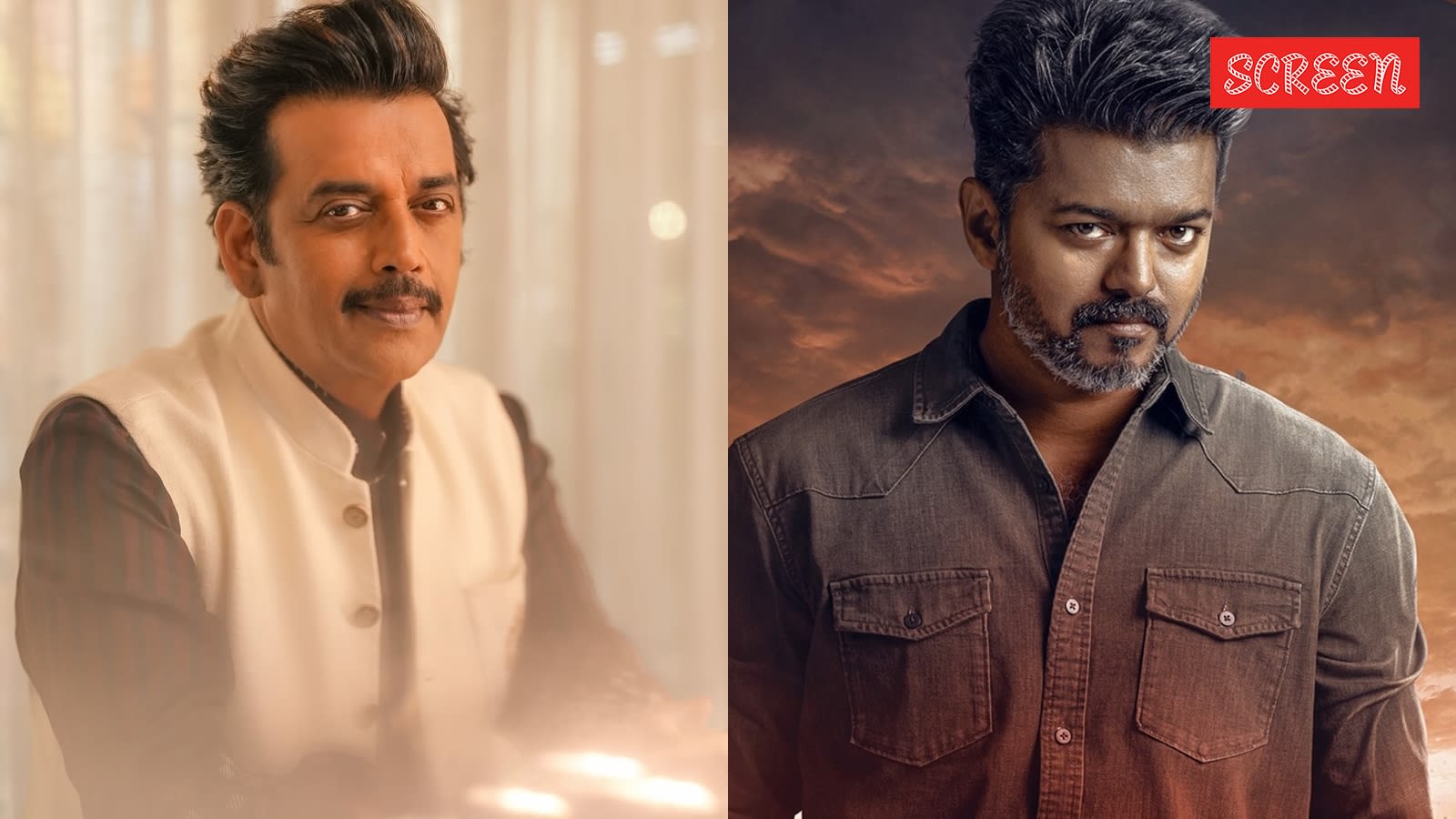
Actor-politician Ravi Kishan recently discussed his transition from cinema to politics while noting the cultural differences in political success for actors between North and South India. He specifically highlighted how South Indian film stars often achieve higher political offices more rapidly than their counterparts in the North.
The Intersection of Stardom and Statecraft: Ravi Kishan’s Perspective
Actor-politician Ravi Kishan, a veteran of over 700 films, recently provided a candid look into the dual life of a modern Indian entertainer-turned-politician. During a guest appearance at The Indian Express’ Idea Exchange, Kishan reflected on his three-decade career, balancing his ongoing work in cinema with his responsibilities as a Member of Parliament. This dialogue highlights the unique phenomenon in Indian democracy where the lines between the silver screen and legislative power often blur.
The Cultural Divergence in Political Trajectories
One of the most striking observations made by Kishan during the discussion was the contrast between political trajectories in North versus South India. By remarking, “If you go to south, they make actors Chief Ministers straight away,” Kishan underscored a significant regional trend. Historically, the South has witnessed a seamless transition for iconic actors into the highest echelons of state governance, a phenomenon less common in the North. This observation points to a deeply ingrained cultural reverence for cinematic icons in Southern states, which often translates into immediate and powerful political mandates.
Balancing Art and Governance
Kishan’s transition into politics did not signal the end of his creative output. He spoke about his role in the Aamir Khan-produced Laapataa Ladies, noting that director Kiran Rao approached him just as he was becoming a newly elected parliamentarian. His ability to secure and perform such roles while serving in the parliament suggests a modern approach to public service where personal professional identity remains intact. This balance is a testament to the evolving nature of political roles in India, where the 'celebrity-politician' is increasingly expected to remain accessible and visible.
The Audition Process and Professional Integrity
Beyond his political commentary, Kishan shed light on the professional rigor of the Indian film industry, specifically regarding the casting process for Laapataa Ladies. He revealed that even a producer of Aamir Khan’s stature subjected himself to the same audition process as any other actor. This detail serves as a microcosm of the discipline required in his dual careers; whether in the parliament or on a film set, the commitment to the craft remains a defining characteristic of his public persona.
Future Implications for Celebrity Politicians
As the landscape of Indian politics continues to evolve, the influence of figures like Ravi Kishan will likely grow. His commentary suggests a growing awareness of the 'celebrity capital' that actors bring to the political arena. While he notes the ease with which Southern actors ascend to the Chief Minister’s office, his own path reflects a more gradual, party-integrated approach typical of North Indian politics. Future political trends may see more entertainers leveraging their massive public followings to advocate for policy changes, provided they can successfully navigate the rigorous demands of legislative duty.
Conclusion
Ravi Kishan’s reflections offer a rare glimpse into the psyche of a politician who maintains his roots in the entertainment industry. By acknowledging the regional disparities in how voters perceive actor-politicians, he provides valuable context to the broader narrative of Indian democracy. His career trajectory continues to serve as an example of how the worlds of cinema and governance are not just parallel, but deeply intertwined in the contemporary Indian experience.