Australia hikes rates to 18-year high to fight inflation
Source Entity
US Top News and Analysis
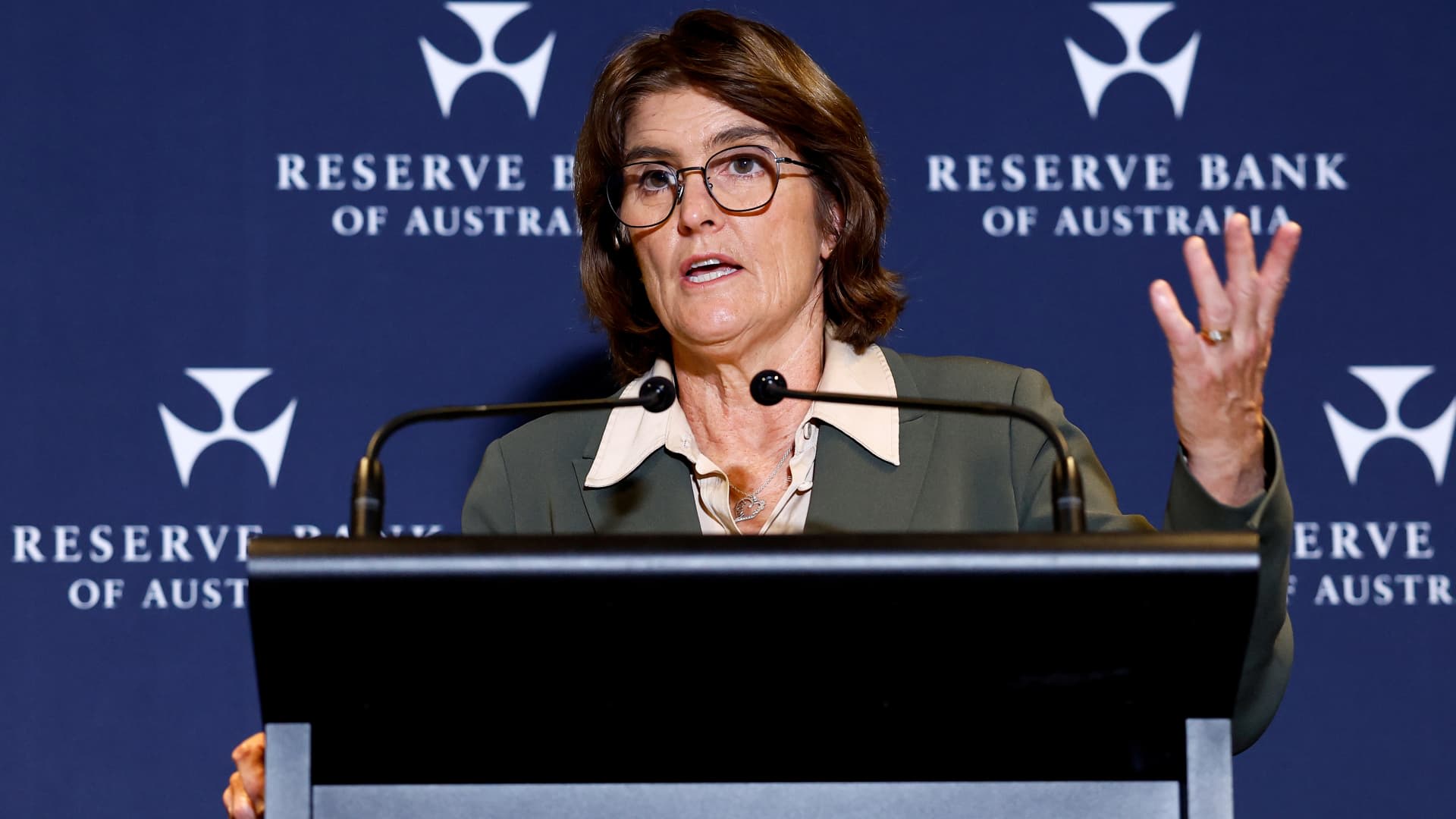
The Reserve Bank of Australia has raised interest rates to an 18-year high of 4.85% to combat persistent inflation. Rising energy costs and significant AI-related investments have forced the bank to delay its inflation target goals until late 2027.
Australia’s Monetary Policy Pivot: An 18-Year High
In a decisive move to curb persistent inflationary pressures, the Reserve Bank of Australia (RBA) has raised its benchmark cash rate by 25 basis points to 4.85%. This adjustment, which brings interest rates to their highest level since November 2008, reflects the central bank's aggressive stance as it navigates a complex macroeconomic environment. The decision, which aligns with market expectations from Reuters-polled economists, marks the fifth rate increase this year and underscores the RBA's commitment to restoring price stability.
The Drivers of Persistent Inflation
Unlike traditional inflationary cycles driven primarily by consumer demand or supply chain bottlenecks, the current Australian landscape is being shaped by unique structural factors. The RBA explicitly identified the surge in AI-related investment as a primary catalyst for rising prices in technology-related goods. As businesses accelerate their adoption of artificial intelligence, the resulting demand for specialized infrastructure and hardware is creating localized price pressures that are complicating the central bank's efforts to return inflation to its 2% to 3% target range.
Geopolitical and Energy Market Complications
Beyond technological investment, the inflationary outlook is heavily influenced by external energy costs. The RBA noted that ongoing volatility in the Middle East has continued to exert upward pressure on fuel and commodity prices. These energy costs act as a persistent drag on the economy, feeding into the broader Consumer Price Index (CPI) and forcing the central bank to maintain a restrictive monetary policy stance for longer than previously anticipated.
Internal Dissent and Policy Strategy
The decision to hike rates was not unanimous, highlighting the difficult balancing act faced by Governor Michele Bullock and the monetary policy board. With a 6–3 vote favoring the increase, the board remains divided on the appropriate speed of tightening. The minority view of holding rates at 4.60% suggests a growing concern regarding the potential for over-tightening, which could stifle economic growth while attempting to manage inflation that is proving to be far more stubborn than initially modeled.
Future Outlook: A Delayed Recovery
Perhaps the most significant aspect of the RBA’s recent statement is the revision of its inflation forecast. The bank now expects inflation to remain elevated through much of 2027, pushing the return to its target range back by approximately three quarters. This delay signals that the RBA is preparing the public for a 'higher-for-longer' interest rate environment. As the nation adapts to these costs, the interplay between rapid technological integration and global energy instability will remain the primary focus for policymakers through the remainder of the decade.